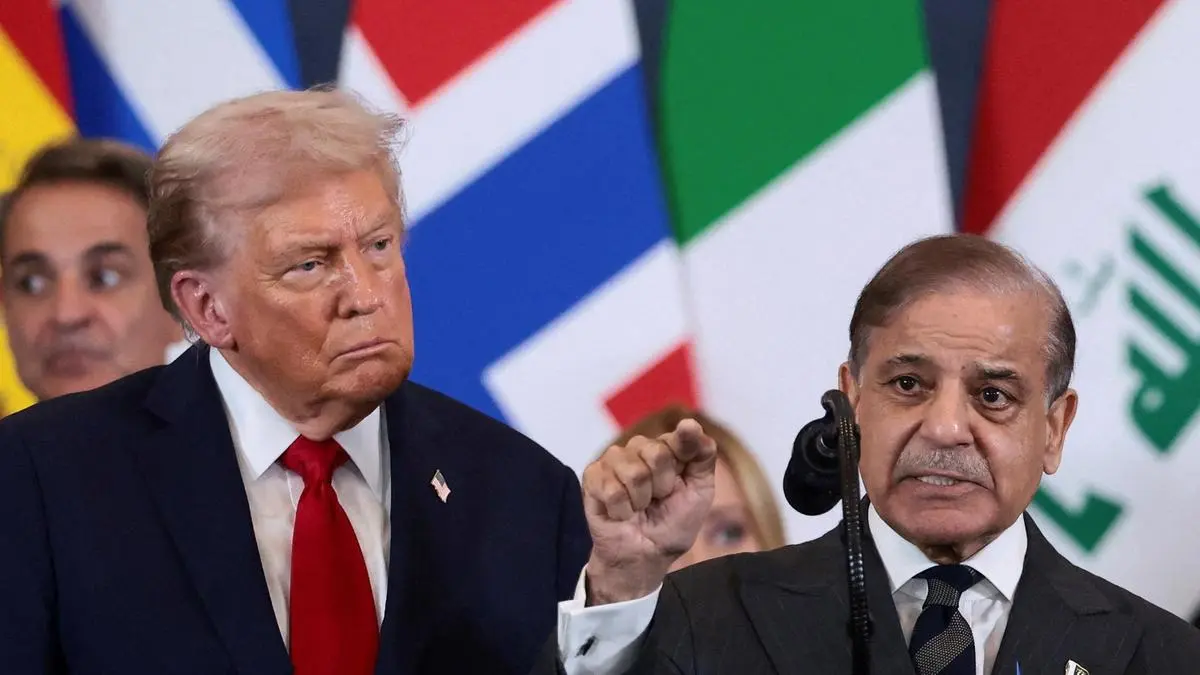
Tehran has initiated a new diplomatic channel via Pakistan, proposing a framework to end current regional hostilities and reopen the Strait of Hormuz. This development marks a shift in the narrative surrounding one of the world's most critical maritime chokepoints. The proposal, delivered to Washington, suggests a potential cooling of tensions that have kept energy markets on edge regarding the security of global oil transit.
Impact on Energy Transit and Maritime Logistics
The Strait of Hormuz serves as the primary artery for a significant portion of global liquefied natural gas and crude oil exports. Any credible movement toward de-escalation directly impacts the risk premium currently embedded in energy prices. If the proposal gains traction, the immediate effect would be a reduction in the geopolitical volatility that has influenced shipping insurance premiums and tanker routing decisions over recent months.
Market participants are now evaluating whether this proposal represents a genuine strategic pivot or a tactical delay. The reopening of the strait would stabilize supply chains that have been forced to account for potential blockades or increased naval presence in the region. For industrial firms and energy-intensive sectors, the reliability of these transit routes is a primary input for long-term operational planning.
Industrial Sector Read-Through
Industrials often bear the brunt of energy-related supply chain disruptions. Companies heavily reliant on global logistics and raw material imports, such as those tracked on the DE stock page, are sensitive to shifts in maritime security. A sustained reduction in regional tension could alleviate cost pressures that have persisted throughout the current cycle of instability.
AlphaScala data currently reflects a cautious outlook for certain industrial players. Deere & Company, for instance, holds an Alpha Score of 34/100, labeling the stock as Weak. This score reflects broader sector headwinds that could be exacerbated by persistent geopolitical uncertainty or improved by a stabilization of global trade routes.
Valuation and Diplomatic Path
Valuations across the energy and logistics sectors have been heavily influenced by the threat of supply interruptions. If the diplomatic path remains open, the market will likely begin to discount the risk of a total closure of the strait. This repricing would be reflected in the narrowing of spreads in energy futures and a potential shift in capital allocation toward sectors that benefit from lower energy volatility.
The next concrete marker for this narrative will be the formal response from Washington and the subsequent verification of maritime activity levels near the strait. Any evidence of reduced naval posturing or a return to standard transit protocols will serve as the primary indicator that the proposal is moving from a diplomatic gesture to a functional reality. Investors should monitor official statements regarding the specific terms of the proposal, as the scope of the agreement will determine whether this is a temporary pause or a durable shift in regional stability. For broader context on how such geopolitical shifts ripple through equity markets, see our latest stock market analysis.