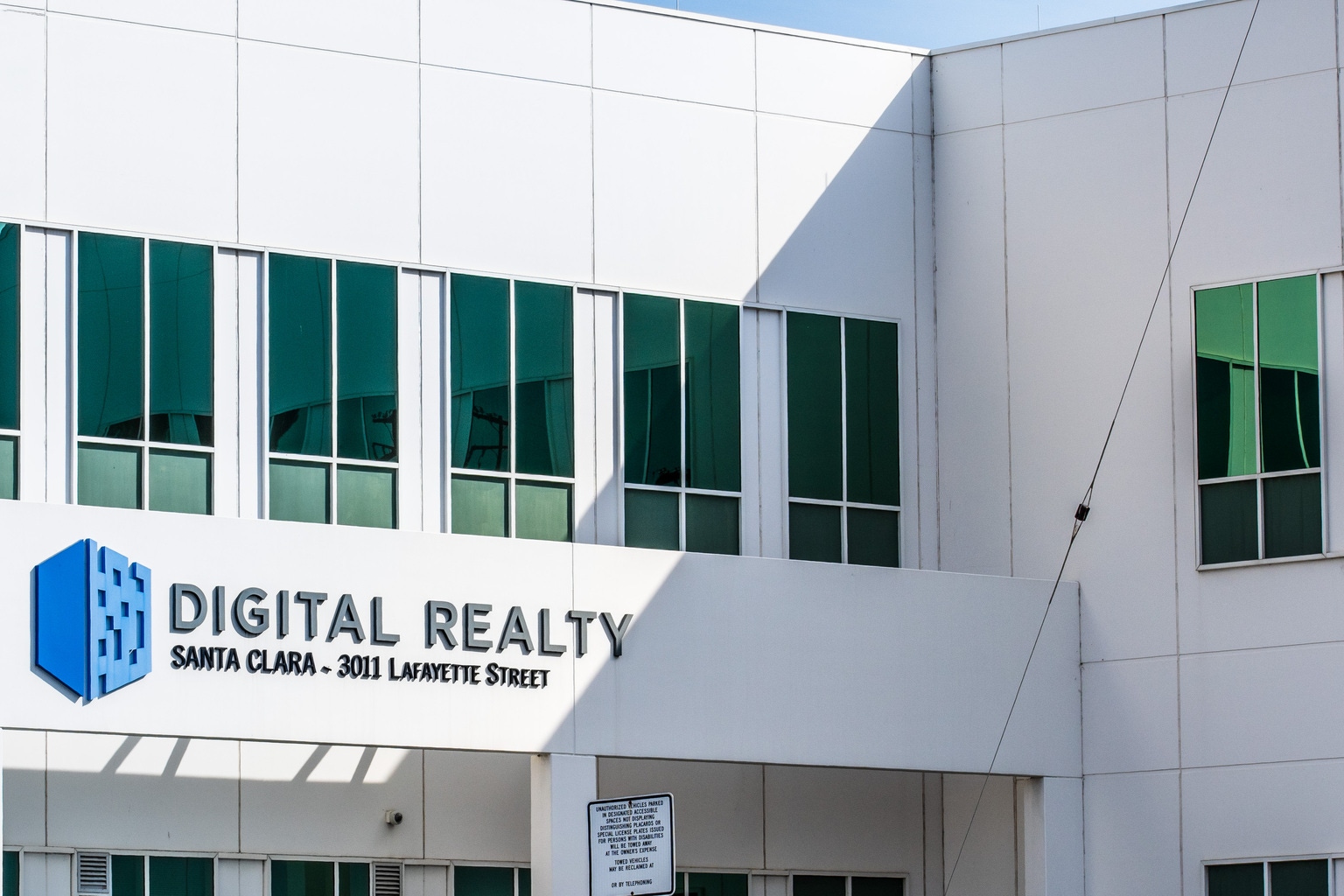
Digital Realty has pivoted its operational focus toward high-density, AI-ready infrastructure as the broader data center sector grapples with power availability and cooling limitations. The company is prioritizing the retrofitting of existing facilities to accommodate the thermal requirements of next-generation hardware rather than pursuing aggressive greenfield expansion in power-constrained markets. This shift marks a departure from the rapid, speculative buildout that defined the early stages of the AI infrastructure boom.
Operational Constraints and Infrastructure Scaling
The current bottleneck in the data center market is no longer just demand, but the physical capacity of regional power grids to support high-density computing clusters. Digital Realty is navigating this by focusing on brownfield redevelopment where grid connectivity is already established. By optimizing existing floor space for higher power density, the firm avoids the lengthy permitting cycles associated with new construction. This strategy allows the company to capture demand from hyperscalers who require immediate, scalable capacity without waiting for utility-scale infrastructure upgrades.
This approach provides a defensive posture against the capital expenditure volatility seen in the broader sector. While competitors may struggle with the rising costs of land acquisition and grid integration, Digital Realty is leveraging its established footprint to maintain margins. The company is effectively trading the potential for rapid, unconstrained growth for a more predictable, high-margin revenue stream derived from existing assets.
Valuation and AlphaScala Data
Digital Realty currently holds an Alpha Score of 56/100, reflecting a moderate outlook within the Real Estate sector. Investors tracking the company can find further details on the DLR stock page. The firm's valuation remains sensitive to interest rate environments, as the capital-intensive nature of data center maintenance requires consistent access to debt markets. Despite these macro headwinds, the company's focus on high-density retrofits suggests a disciplined approach to capital allocation that prioritizes long-term asset utility over short-term capacity expansion.
Sector Read-Through and Future Markers
The broader data center sector is entering a phase of consolidation where operational efficiency is becoming the primary differentiator. Companies that can demonstrate the ability to manage power density without incurring massive debt loads are likely to see improved sentiment. This shift is particularly relevant as stock market analysis continues to highlight the divergence between infrastructure providers and hardware manufacturers. The next concrete marker for Digital Realty will be the upcoming quarterly capital expenditure report, which will reveal the extent to which these retrofitting efforts are impacting free cash flow. Investors should monitor subsequent filings for updates on power-usage effectiveness metrics, as these will serve as the primary indicators of whether the company's high-density strategy is yielding the expected operational efficiencies.