DHT Holdings: The Risks Behind the 50% Tanker Rally
DHT Holdings has surged nearly 50% year to date. Tighter crude oil supply and demand dynamics have forced spot rates higher for its very large crude carriers. The rally prices in an expectation that tanker earnings will stay elevated. That expectation depends on continued OPEC+ production discipline and sustained global demand.
The Vulnerability in Spot Exposure
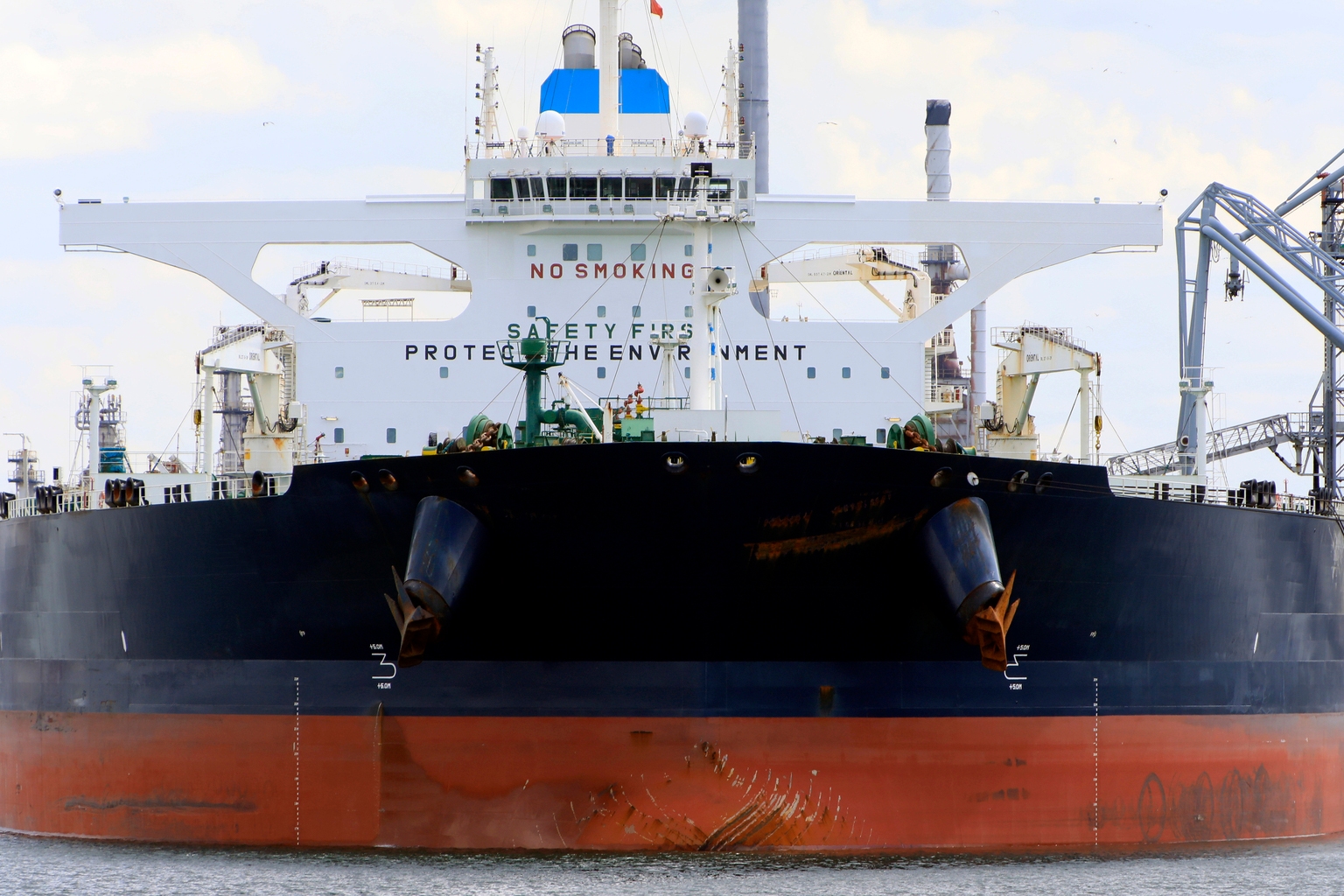
DHT's fleet operates primarily in the spot market. The structure maximises upside when rates rise. It leaves earnings exposed to every turn in the crude oil market. The company's revenue depends on how many cargoes it carries and at what rate. Any change in the supply-demand balance that pushed rates higher could hit revenue fast.
What Would Change the Balance
The key risk to DHT's rally is a shift in crude availability or demand that eases the current tightness. An OPEC+ decision to unwind production cuts could boost supply, lowering tanker utilisation. A relaxation of sanctions on Iranian or Russian crude could change trade flows and reduce long-haul tonne-miles. A global demand slowdown would cut cargo volumes directly.
The US extension of the Russian oil waiver has maintained some flexibility in supply. It has not reversed the trade disruption that favours long-haul routes. Any further geopolitical shift that reduces sanctioned barrels in the market would tighten supply further, a positive for DHT.
What Reduces the Risk
The risk of a rate collapse is lower if OPEC+ maintains its current output trajectory and if sanctions remain in place. The tanker orderbook is historically low, limiting fleet growth. Port congestion and routing inefficiencies keep effective utilisation high. In that scenario, DHT's earnings remain supported. Demand growth projections, while uncertain, are not pointing to a sharp slowdown.
What Makes the Risk Worse
Two scenarios stand out. First, an OPEC+ supply increase timed with a demand slowdown could push the crude market into surplus, cutting cargo volumes and upending spot rates. A recession that reduces oil demand would accelerate the decline. Second, a wider diplomatic resolution to the Russia-Ukraine conflict or a revived nuclear deal with Iran could bring sanctioned barrels back to market. That would shift trade patterns and reduce tonne-miles, a negative for VLCC demand.
A Score of Moderate Uncertainty
DHT holds an Alpha Score 74 from AlphaScala, a Moderate rating. The score reflects strong recent fundamental momentum. It also reflects the uncertainty from a single-revenue-stream business tied to volatile crude tanker rates. The stock page provides more data on valuation and market factors.
What the First Quarter Report Will Show
DHT will report first-quarter earnings in the coming weeks. The report will confirm whether spot rate strength has translated into operating results. It will give guidance on fleet utilisation, spot rate realisations, and second-quarter prospects. That is the next event that will either validate the rally or expose its fragility. For a detailed preview, see our previous coverage: DHT Holdings Sets May 5 Earnings Date: What Investors Must Watch.
The Decision Hinges on Rate Stickiness
The critical question for DHT investors is not whether rates are high today. The question is whether they stay high. Weekly VLCC rate assessments and commentary from OPEC+ meetings will provide the data. Until the earnings report arrives, the 50% rally carries the risk that current tightness is not as durable as the market assumes.