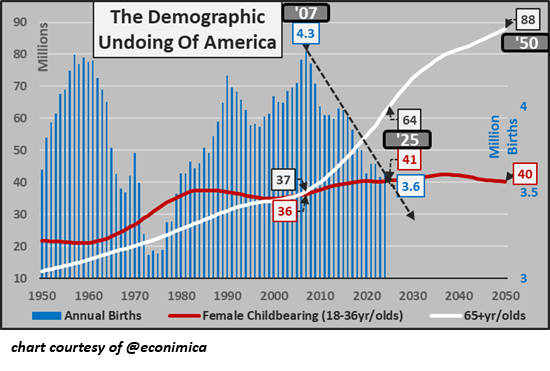
The recent intersection of shifting demographic trends and evolving consumer spending patterns has created a new narrative for the industrial and retail sectors. As population growth slows and age cohorts transition into different life stages, the demand for residential and commercial landscaping services has faced a structural recalibration. This shift forces a re-evaluation of how companies manage inventory and labor costs in an environment where discretionary spending is increasingly sensitive to interest rate fluctuations.
Operational Pressures in the Landscaping Sector
SiteOne Landscape Supply, Inc. serves as a primary indicator for this sector. The company operates at the nexus of professional landscaping services and wholesale distribution, making it highly susceptible to changes in housing starts and commercial development cycles. When demographic shifts lead to a cooling in residential real estate activity, the volume of materials moving through distribution networks typically declines. This creates a bottleneck where fixed costs remain elevated while revenue growth stalls. The challenge for management is to maintain margin integrity without sacrificing the service levels required to retain professional contractor clients.
AlphaScala data currently assigns SITE an Alpha Score of 36/100, reflecting a Mixed outlook within the Industrials sector. This score highlights the difficulty in balancing operational efficiency against the broader headwinds currently facing the housing-adjacent supply chain. Investors can track the SITE stock page to monitor how these operational pressures manifest in upcoming quarterly reporting cycles.
The Link Between Housing and Industrial Valuation
Valuation models for companies like SiteOne are heavily dependent on the velocity of new home construction and the maintenance of existing properties. As the demographic profile of the average homeowner changes, the types of services and products demanded by the market also evolve. A pivot toward smaller, more efficient residential projects can reduce the total addressable market for large-scale landscaping supplies. This structural change requires companies to adapt their procurement strategies to avoid over-leveraging on inventory that may no longer align with current consumer preferences.
This sector-wide read-through suggests that the traditional growth metrics used to value industrial suppliers are becoming less reliable. The focus is shifting toward companies that can demonstrate agility in their supply chains and a clear understanding of regional demographic trends. For broader stock market analysis, the ability of these firms to navigate the current fiscal environment will be a key determinant of sector performance throughout the coming year.
The Path Toward Future Capital Allocation
Moving forward, the primary marker for investors will be the management of debt-to-equity ratios in response to sustained high interest rates. Companies that prioritize capital reduction strategies or demonstrate disciplined inventory turnover will likely outperform peers that rely on aggressive expansion. The next concrete indicator will be the guidance provided regarding capital expenditure budgets for the next fiscal period. Any reduction in planned spending will serve as a signal that the industry is preparing for a prolonged period of muted demand rather than a temporary cyclical downturn. Monitoring these filings will be essential for identifying which firms are successfully pivoting to match the new demographic reality.