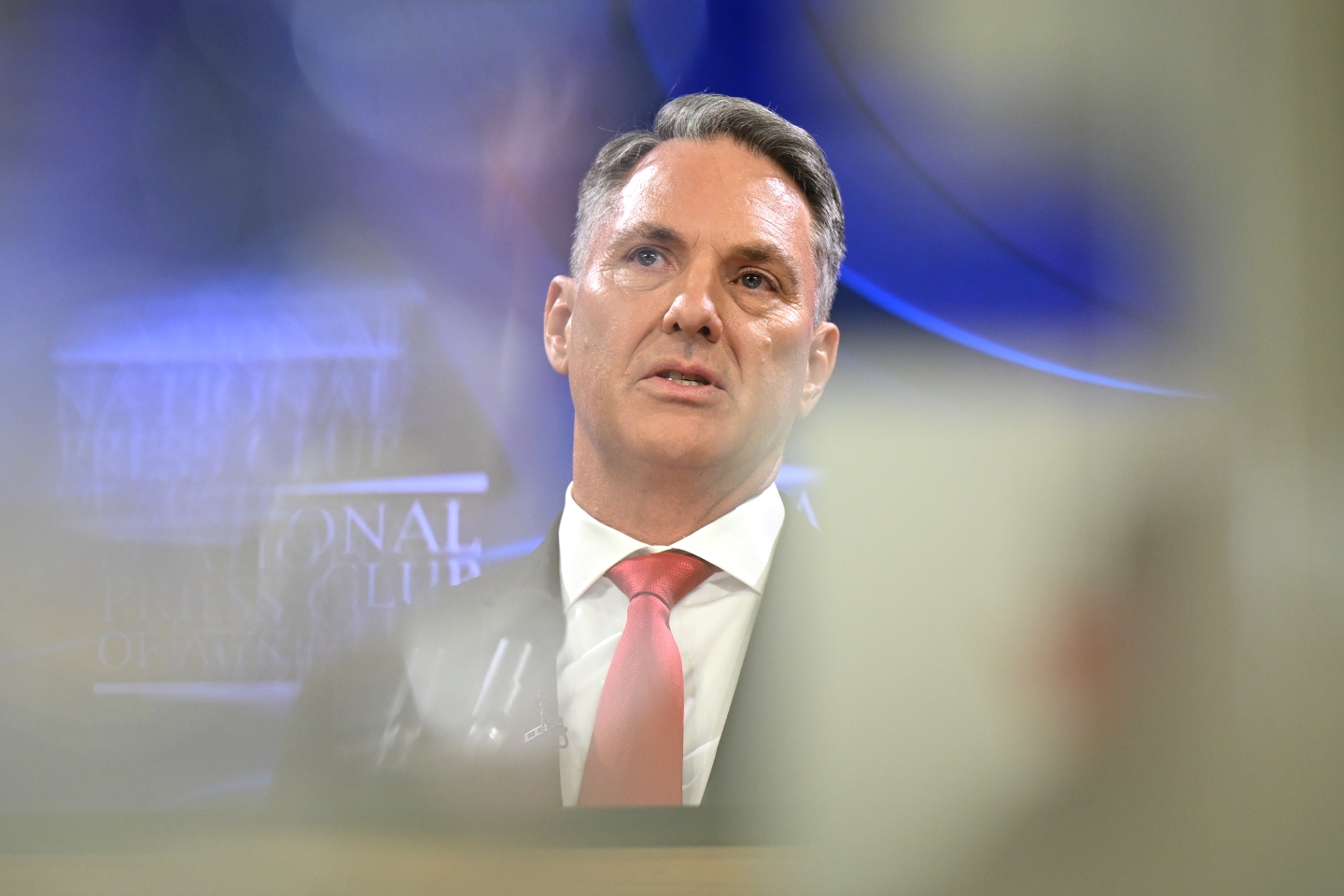
Defense Minister Richard Marles has committed to a $53 billion increase in defense spending under the new National Defence Strategy, yet the funding mechanism remains opaque. The plan requires $5 billion in internal savings, but the government has failed to clarify how these cuts will be achieved or if accounting adjustments are inflating the appearance of fiscal discipline.
The Funding Gap
The $53 billion figure is the headline number intended to modernize Australian defense capabilities. However, the requirement to self-fund $5 billion of that amount through efficiency measures has left analysts questioning the feasibility of the timeline. Without granular detail on where these funds are being pulled from, the market is left to weigh whether this is a genuine reprioritization of capital or a creative accounting exercise designed to satisfy budget hawks without impacting core operations.
"The government has promised a massive uptick in capabilities, but the path to funding those promises through internal savings remains largely obscured," according to defense policy observers.
Market and Fiscal Implications
For investors tracking defense contractors and broader government spending, the lack of transparency is a warning sign. When a government pushes for a major increase in defense outlays while simultaneously hiding the source of funding, it often leads to late-cycle budget crunches. This can result in delayed procurement cycles or contract cancellations for mid-tier suppliers who do not have the political leverage of prime contractors.
Traders should monitor the following areas for signs of stress:
| Budget Component | Amount | Status |
|---|
| Total Defense Uptick | $53B | Committed |
| Required Savings | $5B | Unidentified |
| Accounting Shift Risk | Variable | Potential |
What to Watch
Market participants should focus on upcoming federal budget updates for specific line-item cuts. If the $5 billion is not clearly identified, the reliance on "accounting adjustments" suggests the government may be shifting costs into future fiscal years, effectively kicking the can down the road. This creates a volatility risk for companies dependent on long-term government contracts.
We are also keeping an eye on how these fiscal pressures interact with the broader market analysis regarding government debt levels and currency stability. If the government fails to demonstrate real spending discipline, expect upward pressure on bond yields as the market prices in the risk of fiscal slippage. Watch for any revisions to procurement schedules in the next quarter, as these will be the first casualties if the $5 billion in savings fails to materialize.