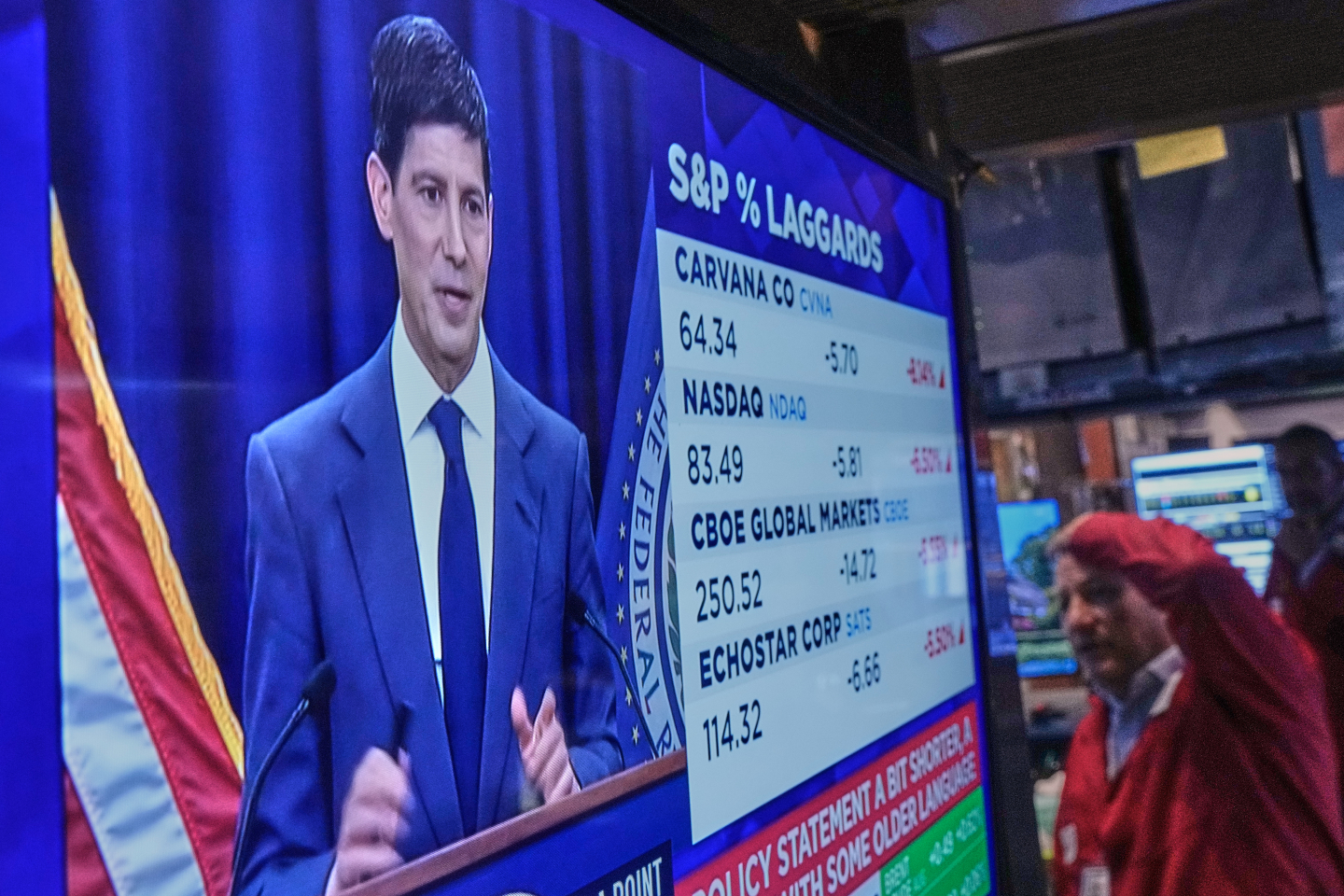
Kevin Warsh's debut speech pushed the euro below $1.0850 and short yields higher. The March dot plot will test whether the hawkish tone is real.
Kevin Warsh made his first public appearance as Federal Reserve chair on Wednesday. He told the audience, “This Committee will deliver price stability.” Markets read the comment as a hawkish signal. The dollar firmed against major peers in the hours after the speech. The euro slipped below $1.0850. The yen pushed past 152. Short-term Treasury yields ticked higher. The moves were contained. The direction was not.
Warsh broke no new policy ground. The Fed’s dual mandate covers full employment and stable prices. What stood out was the tone. He chose a deliberate, almost declarative commitment to the inflation side of that mandate. He did not reiterate the “data dependent” framing his predecessor used to keep optionality. He did not mention risks to growth. He did not nod toward fiscal concerns. The speech was narrowly anchored around price stability. Bond traders associate that kind of focus with the hawkish wing of the committee, several traders said.
The signal lands at a delicate moment. Inflation has cooled from its 2022 peak but remains above the Fed’s 2% target. The labor market is still tight. Markets have been wrestling with how many cuts the economy can absorb without reigniting price pressures. Warsh’s comment tilts the balance toward fewer cuts, later, traders said.
The transmission mechanism is straightforward. A Fed chair who signals intolerance for inflation will keep short rates higher for longer. That lifts real yields, strengthens the dollar, and squeezes carry trades that rely on cheap dollar funding. It also compresses equity valuations, especially in long-duration growth names that benefit from low discount rates. The link to broader market analysis is that a hawkish Fed shifts the risk/reward across asset classes.
Commodities feel the effect through the dollar channel. Gold, already under pressure from rising real rates, could slip further if the dollar keeps rallying. Crude oil, priced in dollars, becomes more expensive for non-U.S. buyers, a headwind for demand. The gold profile shows the metal has been sensitive to real yield moves this year.
None of this means Warsh is locked into a hawkish path. A single speech is not a policy framework. The February jobs report and the next CPI print will matter more than any prepared remark. The debut set a tone. The committee, in Warsh’s telling, is not done fighting the last war.
The next test comes at the March FOMC meeting. The dot plot will show where each member sees rates at year-end. If the median dot stays at the current level or moves higher, Warsh’s line will look less like theater and more like a signal. If it drops, the speech will fade into the archive of forgotten chairmen’s first words.
Prepared with AlphaScala research tooling and grounded in primary market data: live prices, fundamentals, SEC filings, hedge-fund holdings, and insider activity. Each story is checked against AlphaScala publishing rules before release. Educational coverage, not personalized advice.