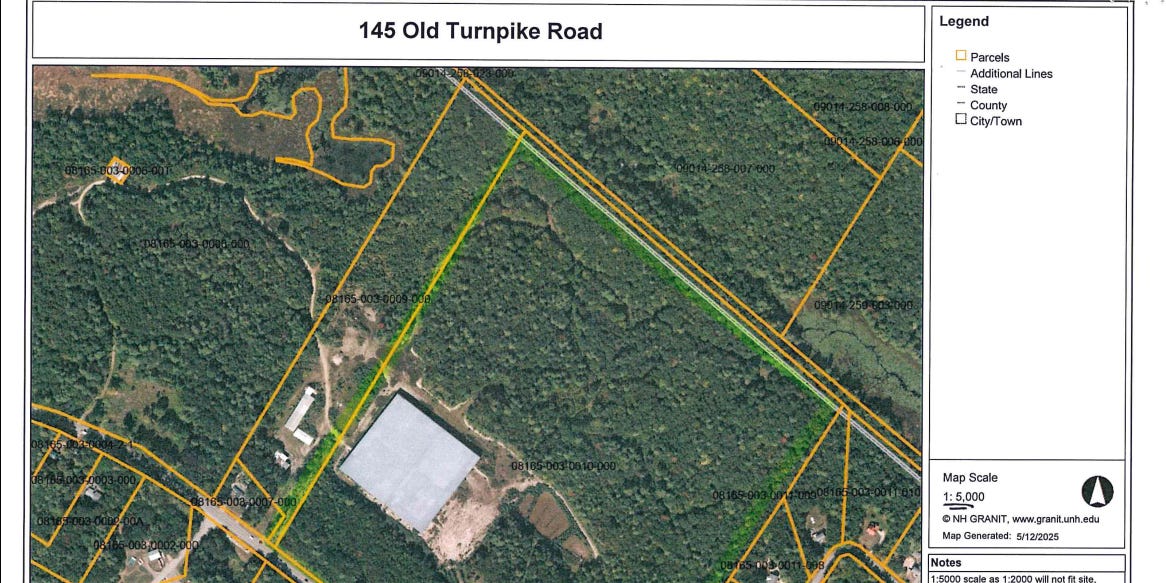
A developer withdrew a proposal for a data center in Nottingham, New Hampshire, hours before a scheduled public hearing. The town's planning board had moved the meeting to Oyster River High School to accommodate the expected crowd. Local residents opposed the project over noise, water use, grid strain, and the visual impact of industrial buildings on a rural landscape of about 5,000 people.
The withdrawal is a single project failure. The better market read is that it exposes a widening bottleneck in the infrastructure buildout behind cloud computing and AI workloads.
The Nottingham Withdrawal
The developer had not named the end tenant or the exact power load. The application died without a formal vote. This pattern is becoming familiar in regions where land is cheap, power is available, and fiber runs close to population centers. New Hampshire sits near Boston and offers lower electricity costs than most of New England. That combination has drawn multiple data center proposals. Each one now faces organized local opposition.
The Nottingham case is not an isolated fight. Similar permitting battles have erupted in Virginia's Loudoun County, parts of Arizona, and across Europe. The mechanism is simple: a developer can secure land and a power purchase agreement, hire contractors, and still fail at the municipal permitting stage if residents organize and vote no. The timeline from site selection to operational status stretches three to five years. Community pushback can add 12 to 24 months of delay or kill the project.
Why This Rejection Matters for Hyperscalers
Amazon (AMZN), Microsoft (MSFT), and Google (GOOGL) are spending tens of billions annually on cloud infrastructure. Each canceled project raises the cost per megawatt and extends the timeline for capacity that the market has already priced into earnings. The Nottingham withdrawal is a small data point. It reinforces a larger thesis: the supply side of the data center boom is not frictionless.
Investors tracking the AI buildout should watch permitting timelines and community meeting outcomes in target markets. Local zoning battles are a leading indicator of delivery risk for the hyperscalers. A cluster of permit denials in New England over the next six months would confirm that friction is hardening. A quick relocation of the same project to a less resistant site would weaken that read.
The Next Decision Point
The withdrawal creates a clear watchlist question. Does this signal a broader trend of community resistance that will slow the entire sector? Or is it a localized NIMBY event that developers will route around by moving to states with preemptive zoning legislation?
What would confirm the bearish view: more permit denials or withdrawals in New Hampshire and Maine within six months. What would weaken it: developers securing alternative sites in the same region with less opposition, or state-level legislation that overrides local zoning for data centers.
For now, the Nottingham withdrawal is a reminder that the infrastructure underpinning the AI and cloud buildout faces real-world friction. Investors should treat permitting outcomes in target markets as a concrete signal of execution risk, not as isolated noise.
stock market analysis Why Canada's policy inertia on tech assets risks a trillion-dollar gap