The surge in Darwin e-bike sales, which have climbed by as much as 300 per cent since early March, serves as a localized bellwether for a broader shift in consumer behavior driven by the global oil shock. Following the conflict in Iran that began in late February and disrupted oil shipments through the Strait of Hormuz, the resulting volatility at the petrol pump has forced a rapid reassessment of personal transport economics. For the retail sector, this transition is not merely a temporary spike in interest but a structural pivot toward alternative mobility as households seek to mitigate the impact of rising living costs.
The Mechanism of Retail Displacement
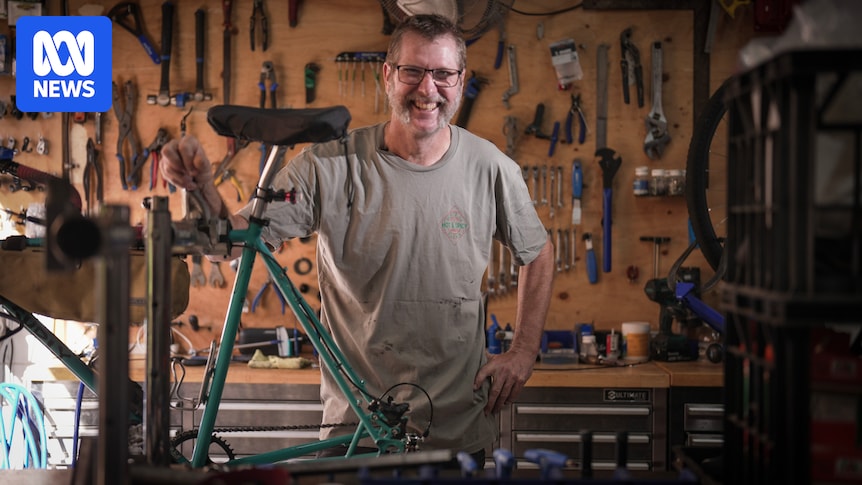
The current demand cycle is characterized by a dual-track recovery in the cycling industry. First, existing owners are returning to long-neglected equipment, creating a bottleneck in service and repair capacity. Philip Rose, owner of Bicycle Fix, reports that his service volume is four to five times higher than at this time last year. Second, new unit sales are accelerating as consumers view e-bikes as a viable substitute for second-vehicle ownership. Matt King, manager of Blue Cycles, notes that his store has experienced its highest volume of electric bike sales in 15 years of operation, with demand up between 200 and 300 per cent. This shift suggests that the primary driver is no longer recreational, but a calculated response to the rising cost of fuel and general inflation.
Infrastructure and Policy Lag
While consumer demand is surging, the policy environment remains anchored to traditional automotive infrastructure. Peter Bourke, general manager of Bicycle Industries Australia, highlights a disconnect between current travel patterns and government spending priorities. Data indicates that more than half of all trips in Australian capital cities cover distances of less than 5 kilometres, yet the vast majority of these journeys are still conducted by car. Despite this, federal policy has focused on temporary relief measures, such as the three-month fuel excise cut implemented in April, rather than long-term investment in active transport infrastructure.
Economic Returns on Active Transport
The debate over government intervention centers on the efficiency of capital allocation. Advocacy group We Ride Australia suggests that e-bike purchase incentives yield a return of nearly seven dollars for every dollar invested. This multiplier effect is being tested globally, with various jurisdictions providing different models for integration:
| Country/Region | Incentive Type | Impact/Status |
|---|
| Sweden | 25% Rebate | Introduced in 2018 |
| Netherlands | Commuter Incentive | ~$45 per capita annual spend |
| Queensland | $500 Rebate | Funding exhausted |
In Australia, the federal Department of Infrastructure and Transport has committed $100 million toward new bicycle and walking paths, with 30 per cent of these projects currently in construction or complete. However, the disparity in state-level support—ranging from interest-free loans in the ACT, NSW, and South Australia to the rapid depletion of Queensland’s rebate program—indicates that the market is currently fragmented. For investors and industry participants, the key variable remains whether federal policy will shift toward direct consumer subsidies or remain concentrated on infrastructure development.
Sector Read-Through and Risk
The read-through for the broader retail and transport sector is clear: the reliance on traditional fuel-based transport is facing a sustained challenge from electrified micro-mobility. As consumers prioritize the displacement of secondary vehicles, the demand for e-bikes is likely to remain elevated as long as fuel price volatility persists. The risk to this thesis lies in the supply chain and service capacity. With shops already overwhelmed by demand, the inability to scale maintenance and inventory could dampen the transition. Furthermore, the reliance on government incentives means that any shift in fiscal policy—such as the exhaustion of state-level rebates—could create a sudden cooling effect on purchase velocity. The transition is currently driven by necessity rather than discretionary spending, making it sensitive to both the duration of the oil supply disruption and the availability of affordable, reliable electric alternatives. For those monitoring commodities analysis, the link between energy prices and the adoption of alternative transport is becoming increasingly direct.