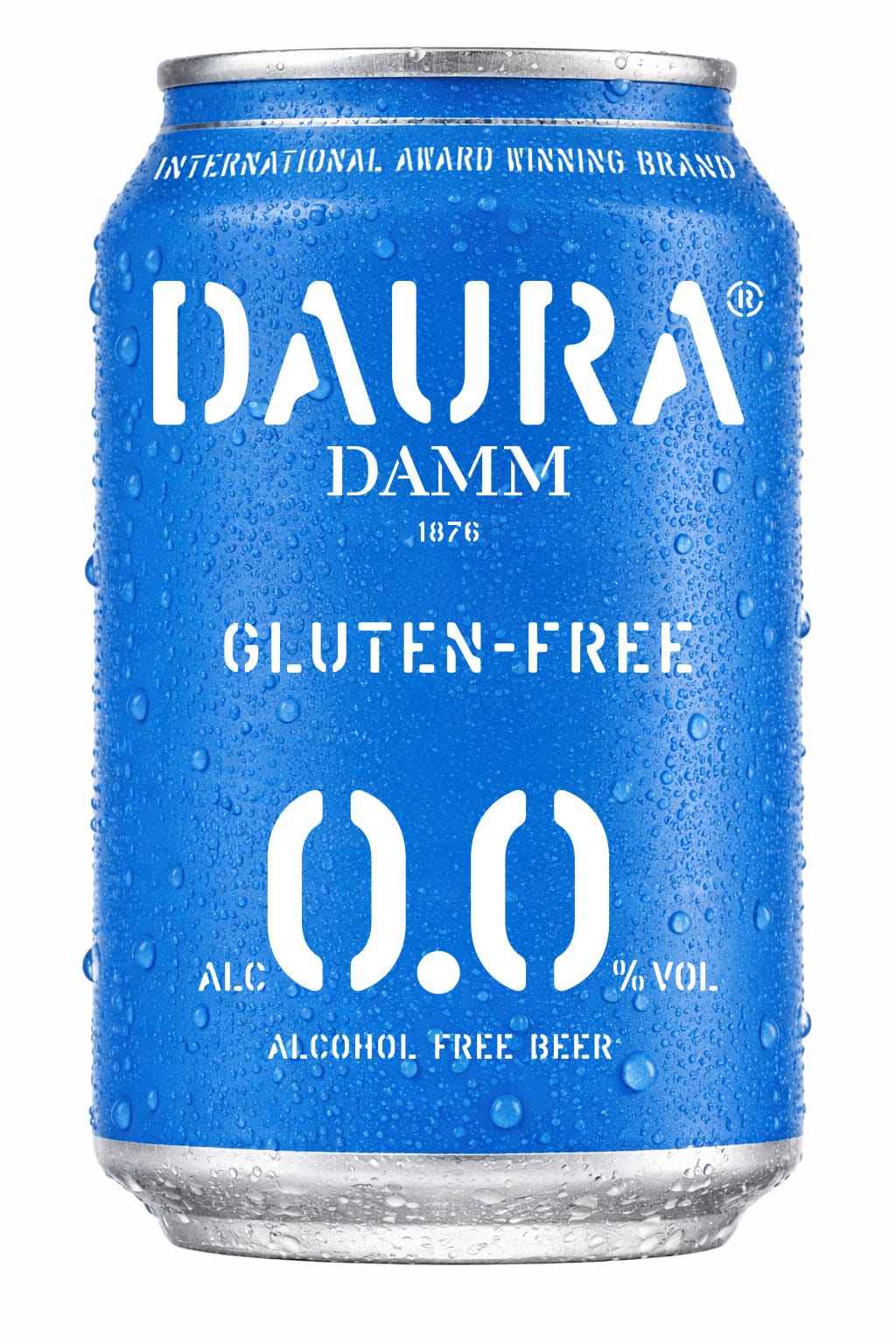
Damm has initiated the UK rollout of Daura 0.0%, a premium, gluten-free, and alcohol-free beer. The product launch follows sustained consumer demand for non-alcoholic alternatives that maintain specific dietary profiles. By securing an initial exclusive distribution agreement with Tesco, the company is positioning the brand within a high-traffic retail environment to capture immediate market share.
Strategic Entry into the UK Alcohol-Free Segment
The introduction of Daura 0.0% represents a calculated expansion for Damm as it seeks to leverage its existing reputation in the gluten-free category. The UK market for non-alcoholic beer has seen a shift toward premiumization, where consumers increasingly prioritize ingredient transparency and health-conscious alternatives. By combining a gluten-free certification with a zero-alcohol profile, Damm is attempting to consolidate two distinct consumer segments into a single product offering.
This move mirrors broader trends in the stock market analysis sector, where beverage conglomerates are diversifying portfolios to mitigate the impact of declining traditional alcohol consumption. The reliance on a major retailer like Tesco for the initial launch phase serves as a proof-of-concept strategy. It allows the brand to test consumer reception in a controlled, high-volume setting before potentially expanding to broader retail or hospitality channels.
Competitive Positioning and Retail Dynamics
The success of this launch depends on Damm's ability to differentiate itself from established non-alcoholic competitors already occupying shelf space in the UK. Many major brewers have already introduced alcohol-free versions of their flagship labels, creating a crowded landscape. Damm's value proposition hinges on the specific gluten-free requirement, which serves as a barrier to entry for many mass-market competitors that rely on traditional barley-based brewing processes.
Retailers are currently re-evaluating their beverage aisles to accommodate the growth of the low-and-no alcohol category. For Damm, the partnership with Tesco is a critical step in securing prime shelf placement. The company must now demonstrate that its premium branding can command a price point that justifies the shelf space relative to cheaper, high-volume alternatives.
AlphaScala Market Context
AlphaScala data indicates that consumer goods companies focusing on specialized dietary niches, such as gluten-free or alcohol-free, often experience higher customer retention rates once initial distribution hurdles are cleared. The ability to maintain brand loyalty in these categories is frequently tied to the consistency of the product experience compared to traditional counterparts.
The next concrete marker for this rollout will be the expansion of Daura 0.0% beyond the initial Tesco exclusivity period. Investors and industry observers should monitor subsequent retail filings or distribution announcements that indicate whether the product is gaining traction in independent retail outlets or the hospitality sector. A successful transition from exclusive retail to broader availability will be the primary indicator of whether the brand can scale its premium positioning in the competitive UK beverage market.