CZ Sends $1.6M in Meme Coins to a 'Black Hole' Address
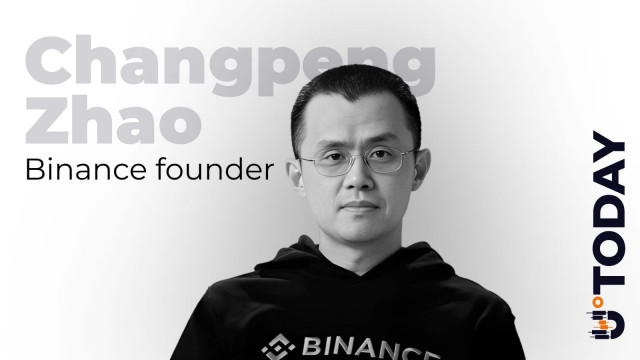
Binance Founder Changpeng Zhao said the $1.6 million in meme coin transfers to a burn address were a routine cleanup of spam tokens, repeating a pattern seen with Vitalik Buterin.
Alpha Score of 67 reflects moderate overall profile with strong momentum, strong value, weak quality, moderate sentiment.
Binance founder Changpeng Zhao sent $1.6 million worth of meme coins to a burn address and denied rumors that the move signaled his support for the tokens. Zhao said on X that the transfers were a routine cleanup of spam tokens sent to his wallet without his consent.
About 400 million units of third-party tokens were sent to address 0x000... roughly a day ago, according to on-chain data from Arkham. The wallet interface had stopped displaying the balance correctly because creators of projects had been sending tokens to his public address for years, Zhao said.
The practice has a precedent. In 2021, the creators of Shiba Inu sent half of the token's total supply to Ethereum co-founder Vitalik Buterin without his consent. Buterin later burned 90% of the tokens and urged developers to stop. Zhao's wallet has been a similar target. Arkham data shows the wallet has been regularly hit with spam, and Zhao has carried out similar cleanups over the past year.
Around eight months ago, he destroyed tokens worth a combined $491,860 in three separate transactions. A year ago, four larger transfers totaling about $3.96 million sent assets to a burn address, with individual amounts ranging from $358,220 to $1.95 million. In total, Zhao has manually destroyed more than $6.24 million worth of spam tokens over the past year.
"Sending it to my address might as well send it straight into a black hole. It reduces one step of operation, making it more direct and effective," Zhao said.
Drafted by a large language model from the source reporting linked above, then screened by automated publishing checks. It is not read by a journalist before publication. Some articles cite our Alpha Score. Verify prices and figures against the original source. Educational coverage, not personalized advice.