CXMT becomes first major test for crypto pre-IPO futures in Asia
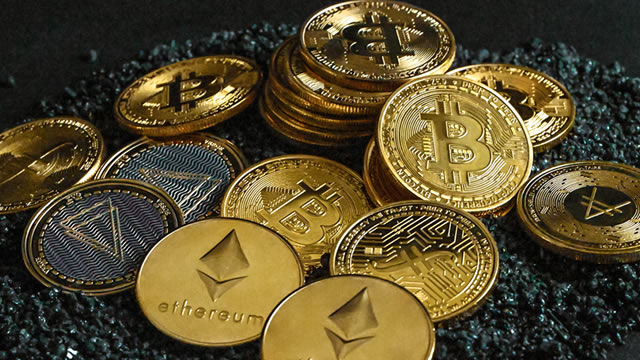
ChangXin Memory Technologies raised $8.6bn on Shanghai's STAR Market while a synthetic futures contract on Hyperliquid let crypto traders bet on the outcome two weeks before shares started trading.
ChangXin Memory Technologies raised $8.6 billion on Shanghai's STAR Market on July 27, making it China's largest IPO since 2010. Two weeks before shares started trading, a synthetic futures contract on the Hyperliquid blockchain let crypto traders bet on the outcome.
CXMT, China's largest DRAM manufacturer by capacity and the fourth-largest globally, listed at 8.66 yuan ($1.28) per share. The offering valued the chipmaker at roughly $85.5 billion before trading. On debut, shares surged as much as 466% intraday. The $8.6 billion raise surpassed SMIC's $7.5 billion offering in 2020.
On July 14, nearly two weeks before the listing, Trade.xyz launched a pre-IPO perpetual futures contract under the ticker xyz:CXMT on Hyperliquid, settled in USDC. The contract debuted at $5 per share and quickly surged to $8.64, implying a valuation of nearly $560 billion for CXMT. That is roughly six and a half times the company's actual pre-listing valuation of $85.5 billion.
The contract offered up to 5x leverage with no ownership rights, dividends, or voting rights.
Chinese A-shares are difficult for foreign investors to access. Qualified Foreign Institutional Investor programs require quotas, approvals, and paperwork. Stock Connect programs through Hong Kong exist but do not cover STAR Market listings on day one. For global traders seeking exposure to one of the year's largest IPOs, the crypto pre-IPO contract was effectively the only option.
The gap between the implied valuation from the Hyperliquid contract at its peak and CXMT's actual pre-listing valuation highlights the product's limits. Thin liquidity in early-stage crypto derivatives markets leaves price discovery approximate at best.
Chinese securities regulators have not publicly commented on offshore synthetic derivatives tracking a domestic IPO. It is unclear whether these products would draw scrutiny from the SEC or other Western regulators if they gain traction with U.S.-based traders.
Drafted by a large language model from the source reporting linked above, then screened by automated publishing checks. It is not read by a journalist before publication. Some articles cite our Alpha Score. Verify prices and figures against the original source. Educational coverage, not personalized advice.