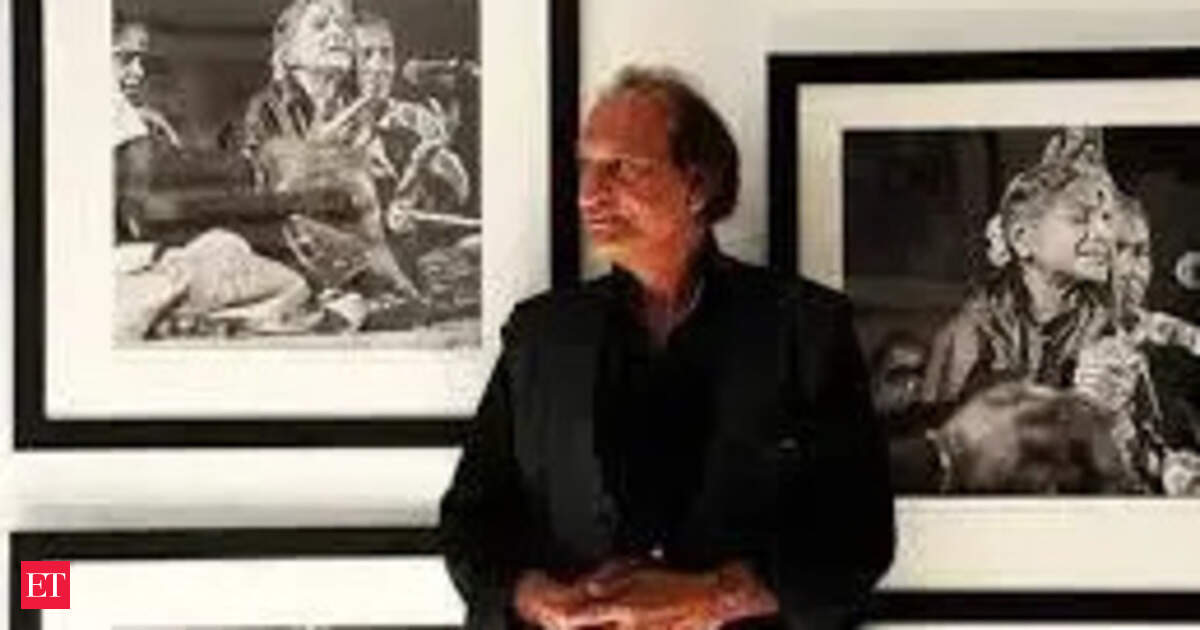
The passing of Raghu Rai, a seminal figure in 20th-century photojournalism, marks the conclusion of a career that defined the visual record of modern history. While his death is a cultural milestone, it also brings focus to the preservation and commercial valuation of extensive photographic archives. Rai, who began his professional trajectory in 1962 and rose to prominence as the chief photographer for The Statesman by 1965, leaves behind a body of work spanning over 18 published books and decades of documentation.
The Commercial Lifecycle of Photographic Estates
The transition of a prolific artist's estate often serves as a catalyst for the institutionalization of their work. Large-scale photographic archives represent significant intangible assets that require structured management to maintain their historical and monetary value. The process typically involves the cataloging of negatives, the licensing of iconic imagery, and the potential acquisition of collections by museums or private foundations. For investors and cultural institutions, the death of a primary creator shifts the focus from active production to the long-term stewardship of intellectual property.
This shift often influences the market for historical photography. As individual works move from the artist's direct control to estate management, the scarcity of original prints and the exclusivity of licensing agreements become primary drivers of valuation. The institutionalization of such archives can provide a degree of price stability, as the estate gains the ability to regulate supply and manage the legacy of the artist through curated exhibitions and retrospective publications.
Sector Read-Through for Creative Assets
The broader creative sector, including media and publishing, often tracks the movement of such archives as indicators of cultural capital. When a photographer of Rai's stature passes, the subsequent handling of their portfolio serves as a case study for the valuation of visual media in an era of digital reproducibility. The ability to monetize historical archives through digital platforms and high-end print markets remains a critical component of the broader stock market analysis regarding media assets.
AlphaScala data for HAS (Hasbro, Inc.) classifies the firm as Unscored within the Consumer Cyclical sector. While Hasbro operates in a different segment of the creative economy, the broader trend of leveraging legacy intellectual property remains a common thread across all creative industries. The focus on maximizing the value of existing assets is a standard operational priority for firms managing extensive portfolios of creative content.
Next Steps for Estate Valuation
The immediate period following the passing of a major artist is characterized by the formalization of legal and administrative oversight. The next concrete marker for stakeholders will be the announcement of the estate's governance structure and the potential appointment of a dedicated archive manager. These developments will dictate how the collection is integrated into the global art market and whether the archive will be made available for public acquisition or maintained as a private entity. The resolution of these administrative steps will provide clarity on the future accessibility and commercial trajectory of the collection.