Commodities● Neutral
How Sustainable Sourcing Secures India’s Agri-Value Chains
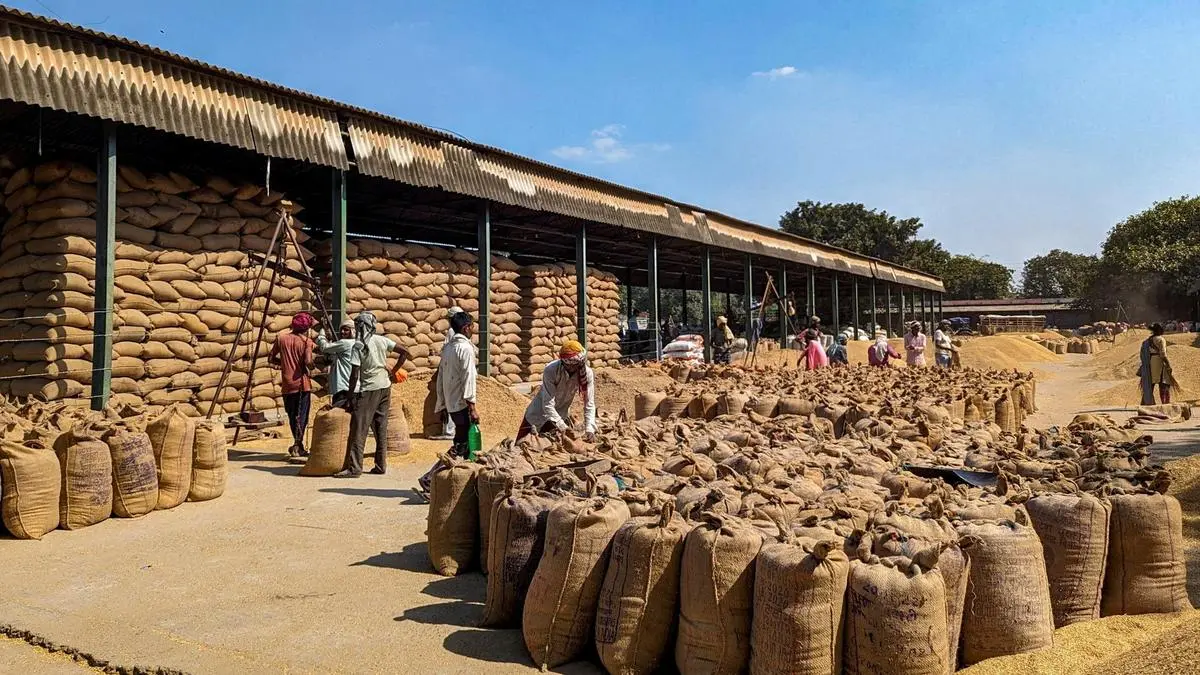
Traceability is now a primary determinant of market access, helping firms navigate EUDR standards and reduce volatility to capture long-term alpha for traders.
Continue with
The Strategic Pivot in Indian Agriculture
For decades, the Indian agricultural sector has been viewed primarily through the lens of volume and yield. However, as global supply chains face unprecedented volatility—driven by climate instability and shifting regulatory landscapes—a fundamental shift is underway. Sustainability is no longer a peripheral corporate social responsibility (CSR) initiative; it has evolved into a strategic imperative for long-term value creation. For institutional investors and commodity traders, the integration of sustainable sourcing into India’s agri-value chains represents a critical frontier for de-risking portfolios and capturing long-term alpha.
In an era where supply chains function as both vital strategic assets and significant vulnerabilities, the ability to trace the provenance and environmental footprint of agricultural goods is becoming a primary determinant of market access. As global markets tighten, the transition toward sustainable practices is separating industry leaders from those susceptible to the rising costs of climate-induced disruptions.
Moving Beyond Traditional Commodity Trading
Historically, Indian agri-value chains have been plagued by fragmentation, high post-harvest losses, and opacity. This structural inefficiency has long acted as a drag on margins. By implementing sustainable sourcing models, companies are beginning to address these systemic issues at the source. This involves deep-tier integration, where corporations work directly with smallholder farmers to standardize inputs, improve soil health, and optimize water usage.
This shift is not merely ethical; it is mathematically sound. Data suggests that companies adopting traceability and sustainable certifications are better positioned to navigate the European Union’s Deforestation Regulation (EUDR) and other stringent international trade standards. For the trader, this means reduced supply chain volatility. When a value chain is transparent, the 'information premium'—the extra cost paid to mitigate uncertainty—decreases, leading to more stable pricing and more reliable delivery schedules.