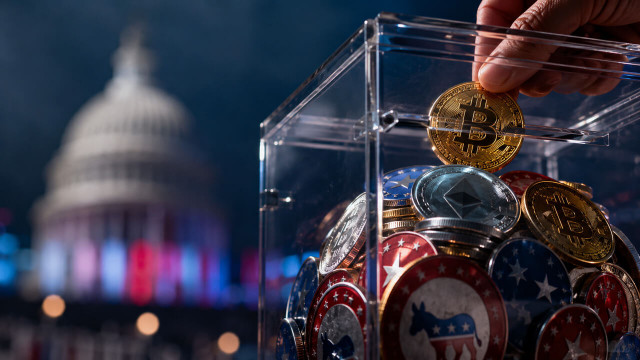
The crypto industry has spent millions across both parties in the current election cycle, less than four years after the collapse of FTX triggered calls for a sweeping crackdown. This spending surge transforms the industry from a regulatory target into a political force that could reshape the regulatory risk landscape for digital assets.
The Spending Surge: From FTX Fallout to Campaign Cash
The shift is stark. In the wake of FTX's failure, lawmakers and regulators pushed for tighter oversight of digital assets. Today, crypto companies and executives are pouring money into political action committees, super PACs, and direct contributions. The spending spans the ideological spectrum, backing candidates who support clearer rules or oppose restrictive legislation. This broad approach reduces the risk of a partisan crackdown and gives the industry influence regardless of which party controls Congress.
Implications for Crypto Regulation
For traders and investors, the political spending changes the regulatory risk calculus. A well-funded lobbying effort can slow or shape legislation, lowering the probability of harsh measures that would hit Bitcoin and Ethereum prices. The strategy carries its own risks. If the spending is perceived as buying influence, it could trigger a backlash, including investigations or stricter campaign finance rules. The net effect on market confidence depends on whether the industry can deliver tangible policy wins without creating a corruption narrative.
What to Watch: Next Decision Points
The key catalysts are the upcoming election cycles and the regulatory proposals that follow. Watch for:
- Campaign contribution disclosures that reveal which candidates are receiving crypto money.
- Legislative proposals on stablecoins, market structure, or tax treatment.
- Agency actions from the SEC or CFTC that may accelerate or stall depending on political pressure.
A clear win for the industry would be passage of a comprehensive crypto bill with bipartisan support. A loss would be a scandal that ties crypto money to unethical behavior, prompting a new round of crackdowns.
Market Context and AlphaScala View
The political machine is still being built. The industry's ability to sustain this spending across multiple cycles will determine whether it becomes a permanent fixture or a temporary anomaly. For now, the shift reduces one source of regulatory uncertainty that has weighed on crypto markets since 2022. Traders should monitor the flow of political money as a leading indicator of policy direction. For more on how regulation affects trading decisions, see our crypto market analysis and best crypto brokers.
The next concrete marker is the first round of primary elections where crypto PACs are active. If their preferred candidates win, expect the industry to double down. If they lose, the strategy may be recalibrated. Either way, the era of crypto as a passive regulatory target is over.