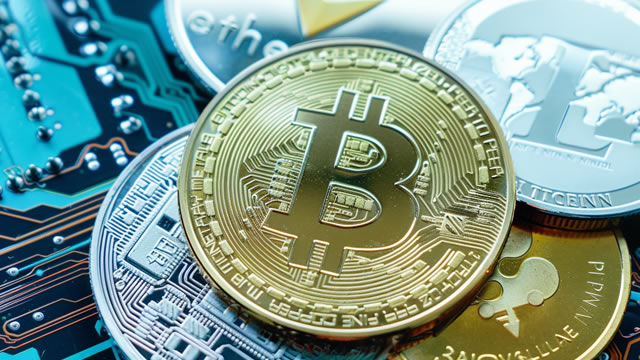
The ceasefire, prompted by Ukraine security warnings, leaves crypto markets on edge. Bitcoin and Ether held steady, but thin liquidity could amplify any breakdown in talks.
The fragile ceasefire between Russia and Ukraine, announced after President Vladimir Putin cited security warnings from Ukraine, has injected a fresh dose of geopolitical uncertainty into crypto markets. Prices of major digital assets held relatively steady in the immediate aftermath, but the cautious tone across trading desks reflects a market that is pricing in the risk of a swift breakdown rather than a durable peace. For crypto traders, the event is a reminder that geopolitical tail risks can rapidly shift liquidity and sentiment, even when headline moves appear muted.
Putin’s statement that the ceasefire was prompted by Ukraine security warnings immediately raised questions about the deal’s durability. A truce born of tactical warnings rather than a negotiated settlement carries a high probability of collapse. In past episodes, such as the initial stages of the conflict in 2022, crypto markets experienced sharp sell-offs followed by rapid rebounds as traders reassessed the actual economic spillovers. The current setup is different: liquidity in crypto order books is thinner than during previous flare-ups, and derivatives markets are showing elevated hedging costs, suggesting that professional traders are bracing for sudden moves. The ceasefire’s fragility means that any new provocation or failed diplomatic step could unwind the calm within hours.
Bitcoin (BTC) and Ether (ETH), the two largest digital assets by market capitalization, often serve as barometers for broader crypto risk appetite. While neither asset is a direct proxy for geopolitical stability, they are increasingly traded as macro-sensitive instruments. When traditional safe havens like the U.S. dollar or gold rally on conflict fears, crypto can either benefit from a narrative of censorship resistance or suffer from a flight from risk assets. In this instance, the muted price action suggests that the market is not yet convinced the ceasefire will hold, but also not panicking. The lack of a sharp spot move, however, masks a more cautious positioning in derivatives, where put option skews have widened and futures premiums have compressed. This indicates that traders are paying up for downside protection rather than chasing upside. The real exposure lies in the plumbing: exchanges with significant exposure to regions affected by sanctions or capital controls could face sudden liquidity crunches if tensions escalate. For example, platforms that facilitate ruble-to-crypto conversions have historically seen volume spikes during periods of uncertainty, which can strain their reserves and lead to wider spreads. This dynamic was evident in earlier phases of the conflict, and a renewed escalation could see a repeat, potentially affecting the broader market’s stability.
A durable reduction in geopolitical risk would require concrete steps beyond a verbal ceasefire, such as verified troop withdrawals or a formal negotiation framework. Such developments would likely lift risk sentiment broadly, potentially fueling a relief rally in crypto as leveraged short positions get squeezed. Conversely, a breakdown of the truce, especially if accompanied by new sanctions on Russian financial infrastructure, could trigger a flight to safety that initially hits crypto alongside equities. The more dangerous scenario for crypto specifically would be a renewed focus on the use of digital assets to evade sanctions, prompting regulatory crackdowns that freeze assets or restrict access to exchanges. That risk, while not immediate, is a second-order effect that could materialize if the conflict deepens.
For now, the market is in a wait-and-see mode. The next concrete marker is likely a follow-up statement from either side or a scheduled diplomatic meeting. Until then, thin liquidity and elevated hedging costs will keep the door open for sharp, sentiment-driven swings. Traders should monitor not just the headlines but also on-chain flows and exchange reserve data for early signals of stress. The ceasefire may have paused the shooting, but it has not resolved the uncertainty that keeps crypto markets on edge. For a broader view of how geopolitical events shape crypto market structure, see our crypto market analysis.
Drafted by the AlphaScala research model and grounded in primary market data – live prices, fundamentals, SEC filings, hedge-fund holdings, and insider activity. Each story is checked against AlphaScala publishing rules before release. Educational coverage, not personalized advice.