Crypto executives left Washington last week more optimistic that the Clarity Act could finally move. The market structure bill, passed by the House more than a year ago, has been stuck in the Senate over bipartisan concerns about President Donald Trump and his family's crypto holdings. A series of high-level meetings with administration officials shifted the tone, according to a Friday report from Decrypt.
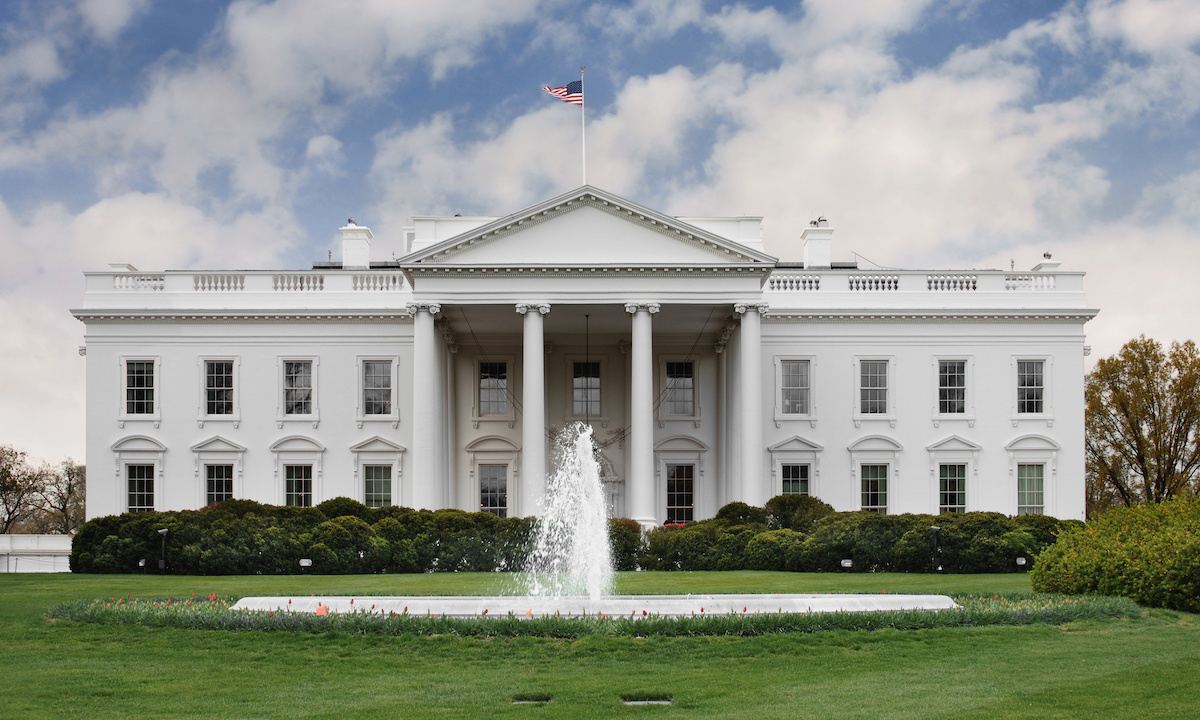
The marquee session was a Wednesday meeting at the White House where Trump hosted crypto leaders. The next day, the Commodity Futures Trading Commission held the inaugural meeting of its Innovation Advisory Commission, convened by Chairman Michael Selig. a16z managing partner Chris Dixon posted on X after the two days: “It’s clear that there is a lot of support for crypto innovation from the top down. The time for Congress to pass the CLARITY Act is now.”
Dixon, along with Coinbase CEO Brian Armstrong, Ripple CEO Brad Garlinghouse and Kraken Co-CEO Arjun Sethi, also met privately with Commerce Secretary Howard Lutnick, sources told Decrypt.
The White House meeting was the centerpiece. Trump himself hosted the crypto leaders, a sign of executive interest in the bill. The private session with Lutnick added a layer of Commerce Department backing. The meetings came after Senate leaders had failed to bring the Clarity Act to a vote before the summer recess. Leadership now hopes to schedule a vote as soon as Congress returns in September.
The path is not clear. Many Democrats oppose the bill as written and insist on adding conflict-of-interest provisions aimed at Trump. Financial disclosure documents show Trump took in $1.4 billion in crypto earnings in 2025. Retiring North Carolina Republican Senator Thom Tillis, who sits on the Banking Committee, has also demanded conflict-of-interest language. He has threatened to block the bill from reaching the floor. In July, Tillis and Arizona Democrat Ruben Gallego sent a bipartisan ethics proposal to the White House that would give state attorneys general enforcement authority.
Trump complained ahead of the Wednesday meeting that the provisions unfairly single him out. He called on Congress to pass a “fair version” of the bill.
The legislative stalemate has pushed regulators to act on their own. Selig said Thursday that if the Clarity Act continues to stall because of Democratic opposition, the CFTC will use its existing authority to establish a regime for crypto asset markets. He directed CFTC staff to begin exploring rules to codify a market structure using the agency's existing powers.
The Securities and Exchange Commission has already proposed a new framework for crypto fundraising. The proposal would allow certain offerings of up to $5 million over four years or $75 million annually without full SEC registration. It would create a conditional safe harbor for crypto assets once an issuer’s essential managerial efforts have ended and preempt some state securities registration requirements.
These regulatory moves would accomplish parts of the Clarity Act’s goals, without the legal certainty of a congressional statute. Industry executives said the White House meeting gave them confidence that the administration wants the bill passed. Dixon's post reflected that sentiment. Whether the Senate can overcome the conflict-of-interest dispute by September remains the central question.
The SEC proposal is open for public comment. No date has been set for a Senate floor vote.