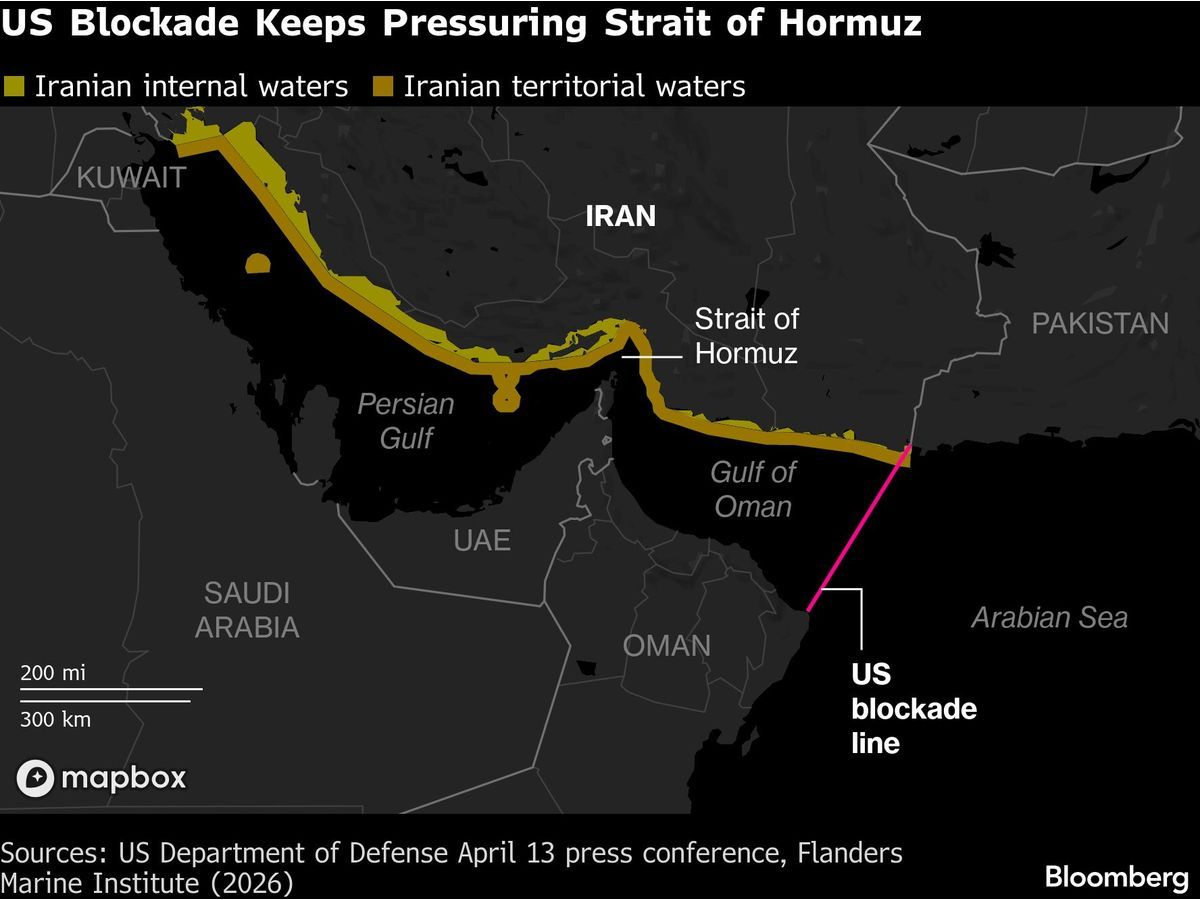
Crude oil prices are trending higher as diplomatic efforts to resolve the conflict involving Iran have stalled. The continued closure of the Strait of Hormuz remains the primary driver of this upward pressure, as the chokepoint is essential for the transit of a significant portion of global seaborne oil. With negotiations at a standstill, the market is pricing in a prolonged period of supply chain disruption that prevents regional barrels from reaching international buyers.
Supply Constraints and Transit Risks
The closure of the Strait of Hormuz forces tankers to seek alternative, longer routes or remain anchored, which effectively removes a substantial volume of daily supply from the global market. This logistical bottleneck creates immediate scarcity for refineries that rely on consistent flows from the Persian Gulf. As the duration of the closure extends, the risk of inventory drawdowns in major importing regions increases, leaving little buffer for further supply shocks.
Geopolitical instability in the Middle East has historically served as a catalyst for volatility in energy markets. The current impasse suggests that the risk premium attached to crude will remain elevated until there is a clear path toward reopening the waterway. The following factors are currently compounding the supply-side tension:
- The inability of regional producers to guarantee safe passage for commercial vessels.
- The depletion of floating storage as tankers remain diverted from their standard transit paths.
- The lack of a diplomatic framework to de-escalate the regional military posture.
Seasonal Demand and Market Linkages
While supply concerns dominate the current price action, the market is also weighing the impact of seasonal demand shifts. Refiners typically adjust their output schedules during this period, and any sustained disruption to crude inputs could lead to tighter product markets, including gasoline and distillates. The inability to secure reliable feedstock forces a recalibration of production targets across the downstream sector.
For investors monitoring the broader impact of these energy shifts, the interplay between supply-side constraints and corporate operational costs remains a critical focus. Within the current commodities analysis framework, the performance of consumer-facing and technology-reliant firms often reflects the indirect pressure of higher energy costs on margins. For instance, companies like Amer Sports (AS stock page), ServiceNow (NOW stock page), and Shopify (SHOP stock page) maintain mixed Alpha Scores, reflecting the complex environment where energy-driven inflation meets shifting consumer and enterprise spending patterns.
Market participants should look for the next update regarding regional maritime security or any formal communication from international mediators. The persistence of the closure will likely force a reassessment of global inventory levels in the upcoming weekly reports, which will serve as the next concrete marker for price direction. As noted in our crude oil profile, the sensitivity of the market to these specific transit risks remains at a multi-year high.