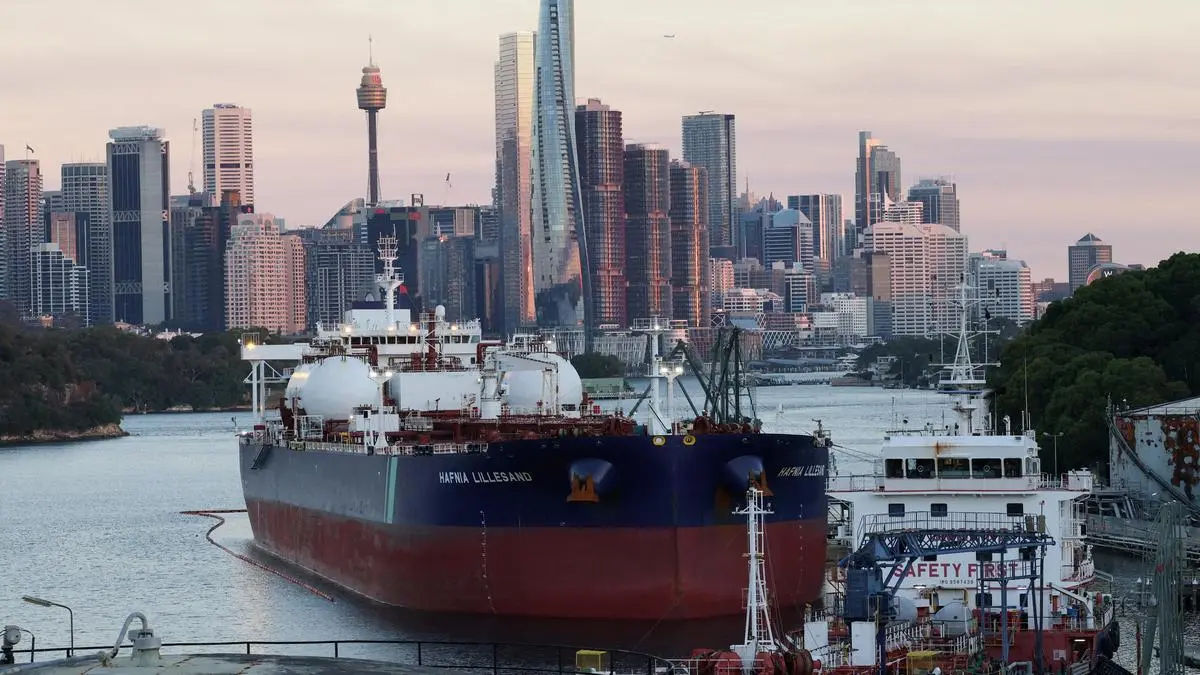
Crude oil prices climbed 6% on Monday as heightened geopolitical instability in the Middle East raised immediate concerns regarding the security of energy transit through the Strait of Hormuz. The sudden escalation in regional tensions has forced a reassessment of supply chain reliability, as the narrow waterway serves as a critical chokepoint for a significant portion of global seaborne petroleum exports. The immediate market reaction reflects a shift in risk appetite, with capital flowing toward energy exposure while broader equity indices face downward pressure.
Supply Chain Vulnerability and Transit Risk
The Strait of Hormuz is essential to the global energy balance, and any disruption to vessel movement through this corridor creates an immediate premium on spot prices. Because the region accounts for a substantial share of daily global oil throughput, the threat of restricted access forces buyers to account for potential delays or the necessity of rerouting shipments. This logistical uncertainty is compounded by the reliance of global refineries on consistent, predictable flows of crude. When transit risk rises, the market typically prices in the cost of potential supply shortages before physical inventories are even impacted.
Inflationary Pressures and Currency Dynamics
The sudden spike in energy costs has triggered broader concerns regarding the trajectory of inflation. Higher fuel prices act as a tax on both industrial production and consumer spending, potentially complicating the outlook for central bank policy. As energy prices rise, the U.S. dollar has moved off its recent lows, reflecting its role as a safe-haven asset during periods of geopolitical volatility. This currency strengthening often creates a secondary headwind for commodities priced in dollars, yet the current supply-side anxiety remains the primary driver of the price action.
Market participants are currently monitoring several key indicators to gauge the duration of this volatility:
- The status of maritime traffic through the Strait of Hormuz.
- Shifts in regional insurance premiums for tankers operating in the Persian Gulf.
- The response of major producers to the sudden change in price levels.
For investors navigating these shifts, understanding the underlying sector exposure is critical. AlphaScala data currently reflects a mixed outlook for several key equities, including Amer Sports (AS stock page), ON Semiconductor (ON stock page), and Unity Software (U stock page), all of which maintain Alpha Scores of 47, 45, and 42 respectively. These scores underscore the broader uncertainty currently impacting the consumer and technology sectors as they adjust to the potential for sustained energy cost volatility.
Further analysis on these trends can be found in our commodities analysis section. The next concrete marker for the market will be the release of updated vessel tracking data and any official statements regarding the operational status of regional shipping lanes. These developments will determine whether the current price surge remains a temporary reaction to geopolitical noise or evolves into a sustained shift in the global energy supply-demand balance.