Crude oil prices moved higher on April 28, 2026, as the breakdown in US-Iran negotiations introduced a fresh layer of supply uncertainty to global energy markets. The stall in diplomatic progress suggests that potential sanctions relief or increased export capacity from the region remains off the table for the immediate future. This geopolitical friction acts as a primary catalyst for the current bid in energy futures, as the market recalibrates its expectations for regional output stability.
Energy Supply and Geopolitical Risk
The immediate reaction in crude markets reflects a tightening of the supply outlook. When diplomatic channels close, the risk premium on barrels originating from the Middle East typically expands. This shift forces refiners and traders to account for potential disruptions to transit routes and production facilities. The current move in oil prices serves as a direct response to the removal of a potential supply-side easing scenario, keeping the focus squarely on inventory levels and production quotas.
Precious Metals and Yield Sensitivity
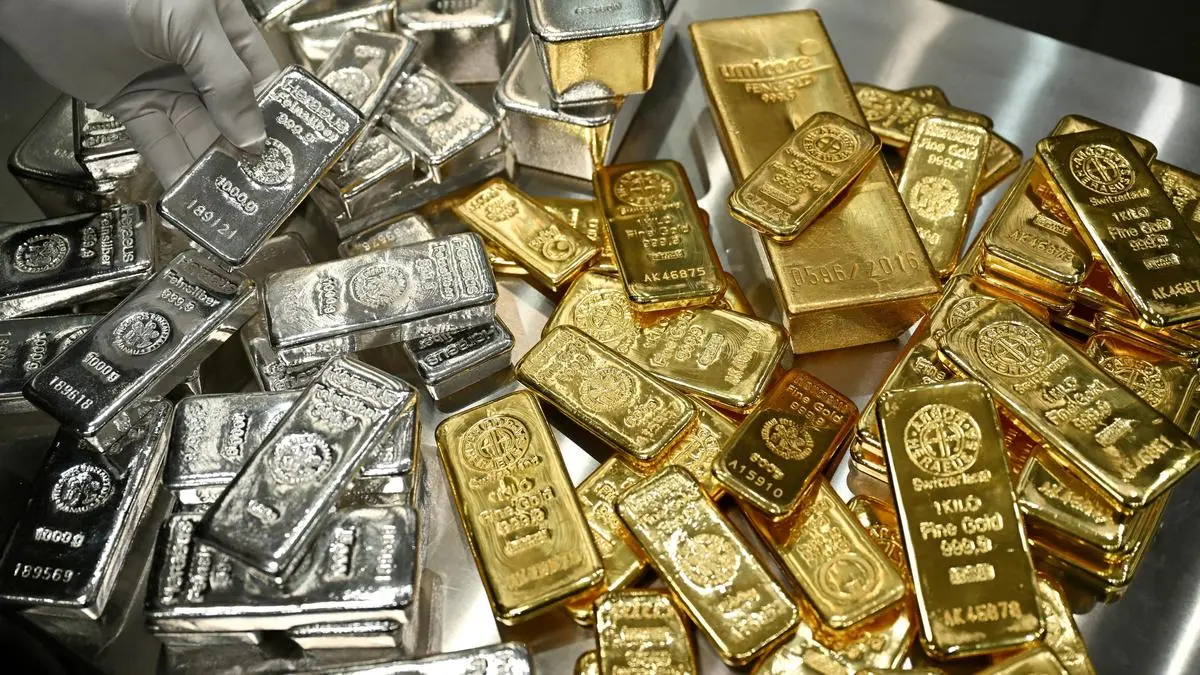
Gold and silver prices faced downward pressure as the surge in crude oil coincided with rising Treasury yields. Higher yields increase the opportunity cost of holding non-yielding assets like precious metals, which often leads to a rotation of capital out of safe-haven positions. The inverse relationship between the dollar and commodities remains a critical factor, as a stronger currency environment often dampens the appeal of dollar-denominated metals. The following factors are currently influencing the precious metals complex:
- Rising Treasury yields reducing the attractiveness of gold and silver.
- Strengthening dollar dynamics creating headwinds for metal valuations.
- A shift in investor preference toward energy-linked assets as inflation hedges.
AlphaScala Market Context
Market participants are currently balancing the inflationary impact of higher energy costs against the restrictive influence of elevated interest rates. While crude oil benefits from the current geopolitical climate, the broader commodity complex is experiencing a divergence based on yield sensitivity. For those tracking broader market sentiment, our current Alpha Scores reflect a mixed outlook across several sectors, including ON at 45/100, SAFE at 54/100, and AS at 47/100.
As the situation evolves, the next concrete marker will be the release of updated inventory data from the Energy Information Administration. Traders will look for evidence of whether the geopolitical risk premium is being matched by actual shifts in commercial storage levels. Any significant draw in crude inventories would likely reinforce the current price momentum, while a build could signal that the market has overreacted to the diplomatic impasse. For further analysis on these trends, see our commodities analysis or the gold profile.