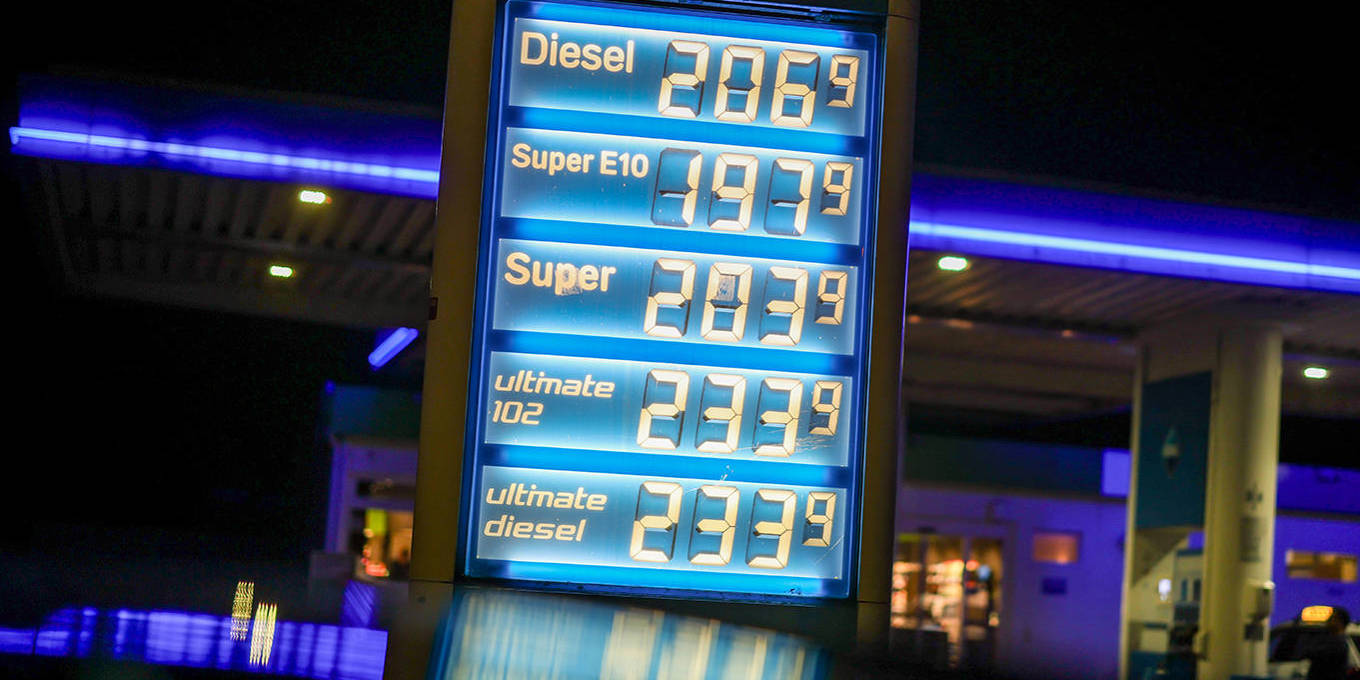
The surge in global crude oil prices to nearly $115 per barrel following the February onset of the conflict between Iran, Israel, and the United States has exposed a critical policy failure in Europe. Rather than addressing the structural dependency that leaves the continent vulnerable to geopolitical supply shocks, many European governments have opted for short-term fiscal interventions. By reducing fuel taxes to subsidize energy consumption, these states are effectively cushioning the blow for consumers while simultaneously blunting the price signals necessary to accelerate a shift away from fossil fuels.
Geopolitical Risk and Supply Chain Fragility
The current price environment is a direct consequence of the supply uncertainty introduced by the regional conflict. When crude benchmarks reach triple digits, the immediate impact is felt through inflationary pressure on transport, manufacturing, and heating costs. For European economies, this represents a massive transfer of wealth to energy-exporting nations. The naive interpretation of this crisis is that governments must protect household purchasing power at all costs. However, this approach ignores the long-term mechanism of energy security. By artificially keeping fuel prices lower than the market equilibrium, governments are incentivizing continued consumption of a volatile, imported commodity. This policy choice effectively subsidizes the very supply chains that are currently under geopolitical duress.
The Case for Structural Policy Shifts
Instead of tax cuts, a more robust response would involve shifting the fiscal burden toward carbon-based taxation that generates public revenue while incentivizing renewable adoption. The current reliance on fuel tax reductions is a reactive measure that does nothing to build domestic energy resilience. A shift toward a system that discourages emissions would force industrial and consumer sectors to adapt to the new reality of higher energy costs by investing in efficiency and alternative power sources. This transition is not merely an environmental objective but a strategic necessity to decouple European economic health from the volatility of global oil markets.
For traders and analysts, the read-through is clear. Continued reliance on consumption subsidies will likely lead to prolonged periods of fiscal strain as the cost of energy remains elevated. If European governments maintain their current path, the region will remain highly sensitive to further supply disruptions in the Middle East. Market participants should monitor whether individual nations begin to pivot toward structural reform or if they double down on tax cuts. The former would provide a long-term floor for renewable energy investment, while the latter suggests that the region will remain trapped in a cycle of reactive policy and vulnerability to crude oil price action. The next decision point for this sector will be the upcoming quarterly fiscal updates from major European economies, which will reveal whether these governments have the political capital to move away from temporary subsidies and toward permanent structural adjustments in their energy portfolios.