Crude oil prices are trending upward as persistent geopolitical tensions in the Middle East overshadow the cooling effect of a three-week ceasefire between Israel and Lebanon. While the immediate cessation of hostilities in the Levant provides a temporary reprieve from direct conflict, the broader market remains sensitive to the status of critical maritime transit routes. The continued closure of the Strait of Hormuz acts as a primary catalyst for current price volatility, as the risk of supply disruption remains elevated despite localized diplomatic efforts.
Maritime Transit and Supply Constraints
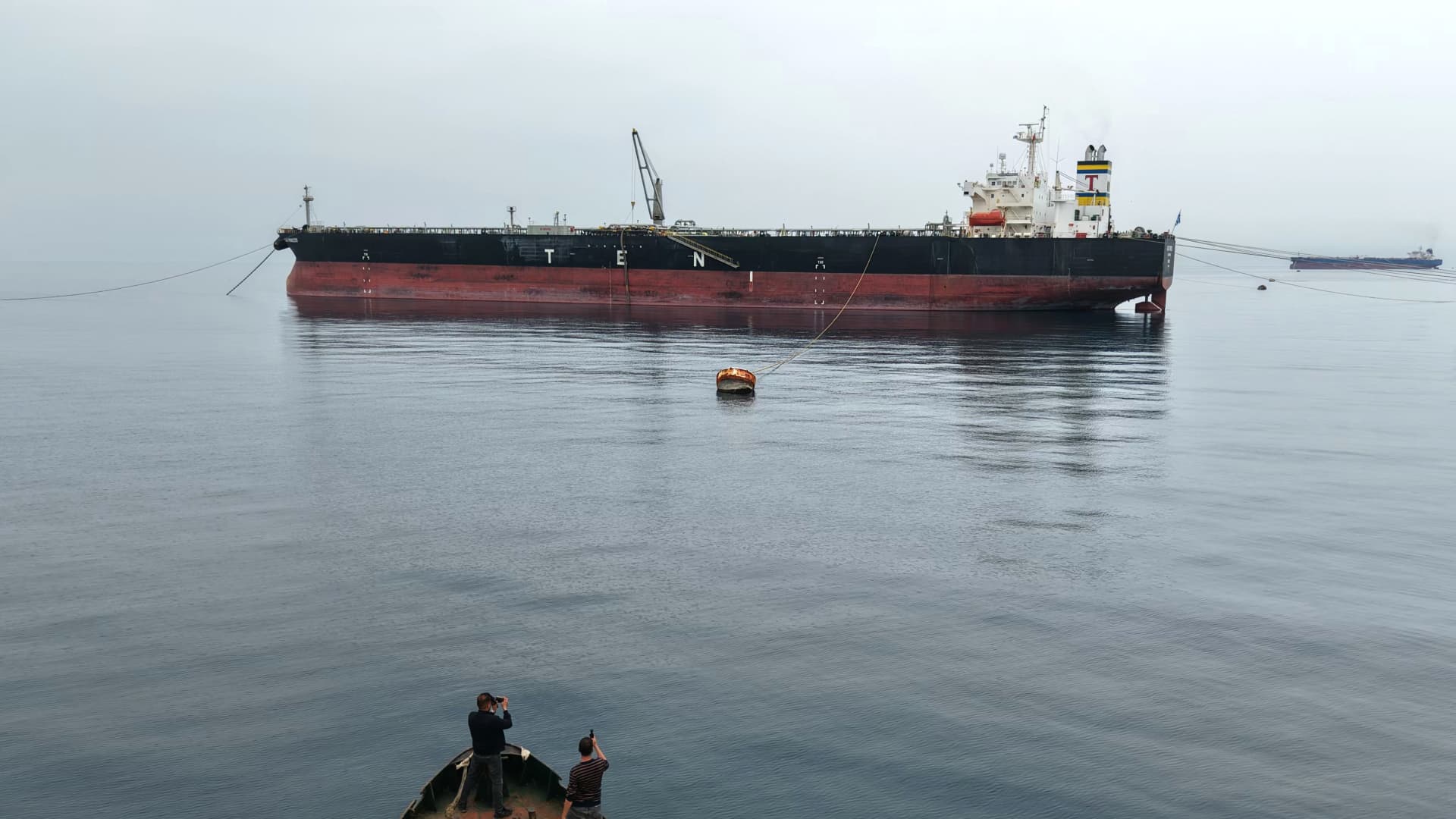
The focus of market concern has shifted toward the operational status of regional shipping lanes and the security of crude oil tankers. Recent observations of the Greek-flagged tanker Asahi Princess near the Syrian Baniyas refinery highlight the ongoing logistical challenges facing regional energy infrastructure. When transit routes like the Strait of Hormuz remain inaccessible, the cost of rerouting supply chains increases significantly, creating immediate upward pressure on global crude benchmarks. This bottleneck forces a reliance on secondary ports and longer transit times, which effectively reduces the speed at which global inventories can be replenished.
Inventory Dynamics and Regional Risk
Inventory levels remain the primary indicator for how long these supply constraints can be sustained without triggering a more severe price shock. Current market conditions suggest that even with a ceasefire in place, the underlying risk premium associated with Middle Eastern oil production has not fully dissipated. The market is currently balancing the following factors:
- The physical inability to move crude through traditional chokepoints, which forces a drawdown on existing regional storage.
- The uncertainty surrounding the duration of port closures and the potential for secondary sanctions or security incidents.
- The reliance on Mediterranean and alternative export hubs that lack the throughput capacity of primary Persian Gulf terminals.
AlphaScala data reflects a cautious environment for companies exposed to these shifting industrial and consumer dynamics. For instance, ON stock page currently holds an Alpha Score of 45/100, while AS stock page sits at 47/100 and ASBHY stock page is rated at 0/100. These scores underscore the broader volatility impacting sectors that rely on stable energy inputs or consumer discretionary spending.
As the market navigates these supply-side pressures, the next critical marker will be the status of tanker traffic through the Strait of Hormuz. Any indication of a reopening or a formal shift in maritime security protocols will serve as the primary signal for a potential correction in crude prices. Traders are monitoring the frequency of vessel movements near major refineries to gauge whether the current supply chain friction is beginning to ease or if the logistical bottleneck is hardening into a long-term structural constraint. The persistence of these risks continues to draw significant attention to crude oil profile metrics as the primary gauge for global energy stability.