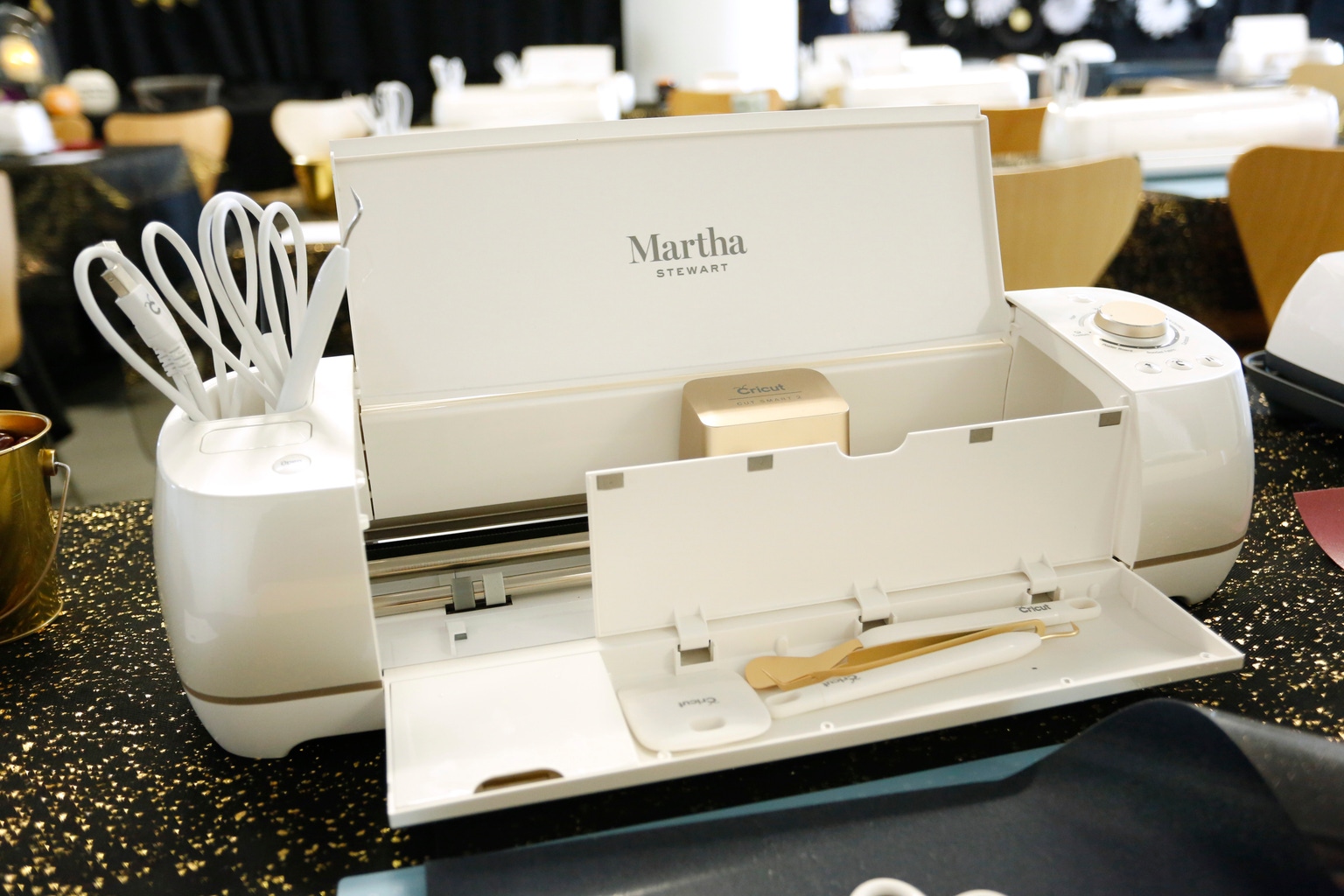
Cricut (NASDAQ: CRCT) shares have plunged from their pandemic-era highs, leaving the stock deeply discounted. The maker of smart cutting machines now trades with a net cash position, meaning its cash and equivalents exceed total debt. That balance-sheet feature changes the downside calculation for anyone assessing a potential turnaround.
In a market where many consumer discretionary names have been repriced, broader stock market analysis shows that net cash balance sheets are a key differentiator. For Cricut, the cash hoard provides a buffer against further operational missteps and gives management time to execute a turnaround without dilution risk. The stock’s decline has pushed its enterprise value to a level where the cash alone accounts for a large portion of the market capitalization, compressing the valuation of the ongoing business to a low multiple of sales.
Cricut’s Net Cash Cushion Redefines the Downside
The net cash position means that even if the business merely stabilizes, the equity could be worth more than the current quote. Cricut’s core business model combines hardware sales with a high-margin consumables and subscription stream. After the pandemic pull-forward, hardware unit sales dropped sharply. The installed base of active users remains substantial. That base provides a foundation for recurring revenue.
The company’s subscription platform, Cricut Access, generates recurring revenue that adds visibility. When hardware growth re-accelerates, the consumables flywheel kicks in, lifting overall profitability. The current valuation does not require heroic assumptions. With the stock trading near multi-year lows, the market is pricing in a continued decline in users and hardware sales. The net cash position means that even a stabilization scenario could support a higher equity value.
Valuation Reset Puts the Focus on Stabilization
The plunge has reset expectations to a point where even modest revenue stabilization could support a re-rating. Cricut’s enterprise value now reflects a low multiple of sales, a level that typically prices in structural decline. The subscription and consumables revenue streams provide a recurring base. That base can cushion hardware volatility. If the company can halt the user losses and demonstrate that the post-pandemic reset is largely complete, the market may begin to price in a recovery.
The turnaround thesis rests on the idea that new product introductions can reignite demand. Cricut has historically refreshed its flagship Cricut Maker and Explore lines. Any announcement of a next-generation cutter with enhanced capabilities could drive an upgrade cycle. Equally important are user growth metrics: monthly active users, subscription attach rates, and consumables revenue per user. If these metrics show sequential improvement, the market may begin to price in a recovery.
Product Cycle and User Metrics as the Next Catalyst
Cricut’s path to a sustained recovery depends on its ability to launch compelling new machines and expand its digital ecosystem. The next earnings report will be a critical checkpoint. Investors will watch for signs that hardware sell-through is stabilizing and that the subscription base is holding. A beat on revenue and an uptick in guidance would challenge the prevailing narrative that Cricut is a structurally declining business. Another quarter of double-digit revenue declines would test the net cash floor. The cash position still limits absolute downside in that scenario.
For those tracking small-cap turnarounds, the setup is straightforward: a beaten-down stock with a net cash backstop and a catalyst path through product innovation. The decision point is whether the upcoming product cycle can convert the valuation opportunity into actual returns. The market’s skepticism is priced in. The next few quarters will show whether that skepticism is overdone.