Back to Markets
Stocks● Neutral

Cretaceous Apex Predator Discovery Shifts Marine Ecosystem Understanding

Cretaceous Apex Predator Discovery Shifts Marine Ecosystem Understanding
HASONKEYRELY

The discovery of a 61-foot Cretaceous cephalopod challenges existing models of ancient marine ecosystems and apex predator hierarchies.

AlphaScala Research Snapshot
Live stock context for companies directly referenced in this story
Consumer Cyclical

HASBRO, INC. currently screens as unscored on AlphaScala's scoring model.

Alpha Score
45
Weak

Alpha Score of 45 reflects weak overall profile with strong momentum, poor value, poor quality, weak sentiment.

Financials
Alpha Score
68
Moderate

Alpha Score of 67 reflects moderate overall profile with strong momentum, strong value, moderate quality, weak sentiment.

Technology
Alpha Score
49
Weak

Alpha Score of 49 reflects weak overall profile with strong momentum, poor value, moderate quality, weak sentiment.

This panel uses AlphaScala-native stock data, separate from the source wire linked above.

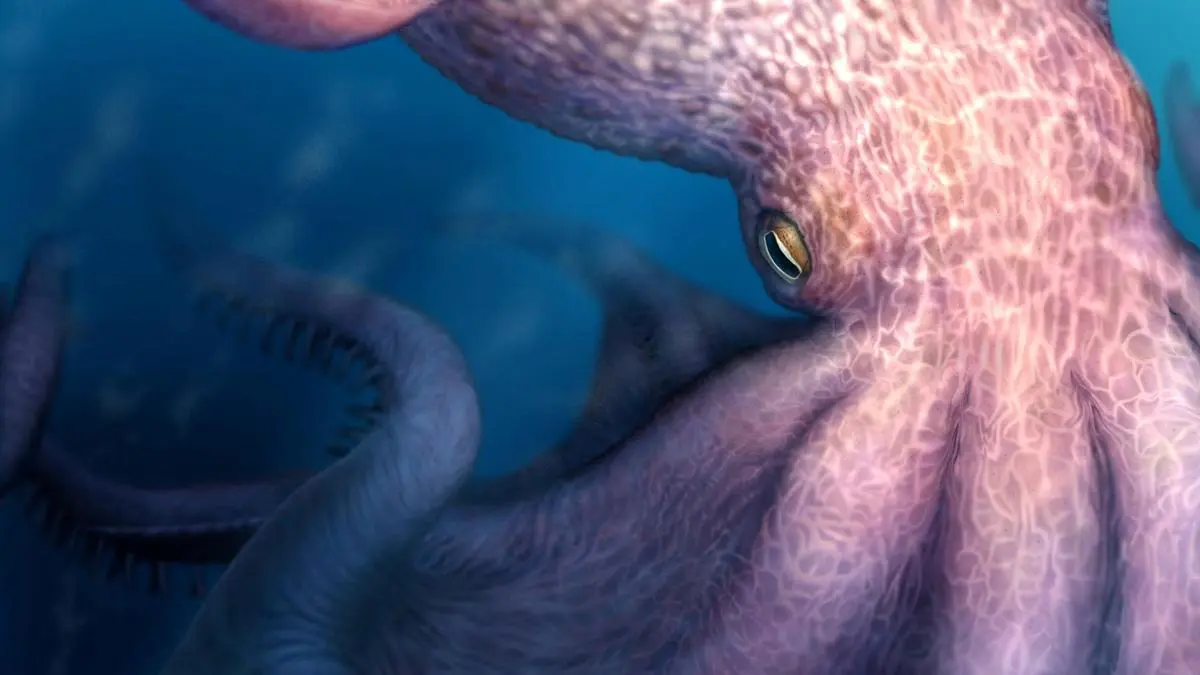
The discovery of a giant, Kraken-like cephalopod from the Cretaceous period has fundamentally altered the established narrative regarding apex predators in ancient marine environments. Previously, the hierarchy of these ecosystems was largely defined by marine reptiles and sharks. The identification of a 61-foot tentacled predator suggests that soft-bodied organisms occupied a much more dominant role in the food chain than paleontological models previously accounted for.

Reassessing Marine Food Web Dynamics

The existence of such a massive cephalopod necessitates a revision of how energy moved through Cretaceous oceans. If a soft-bodied organism reached lengths comparable to the largest marine reptiles, the competitive pressure for resources was likely more intense than current fossil records indicate. This discovery forces a shift in how researchers interpret the fossilization bias that favors hard-shelled or bony creatures. When soft-bodied predators are excluded from historical data, the resulting ecosystem models likely underestimate the complexity of ancient marine competition.

Implications for Biological Modeling

This finding serves as a reminder that biological models are only as accurate as the completeness of the fossil record. The scale of this creature suggests that the evolutionary success of cephalopods was not limited to smaller niches. For industries or research sectors that rely on historical environmental data to calibrate climate or biological projections, this discovery highlights a significant gap in the baseline. Understanding that massive, non-bony predators existed in high-competition environments provides a new variable for those studying the long-term resilience of marine life.

AlphaScala data currently tracks various sectors within the broader consumer and industrial landscape, though biological discoveries of this magnitude often influence long-term academic and environmental research funding. For those following broader stock market analysis, the intersection of scientific discovery and resource allocation remains a critical point of interest. While this specific finding is paleontological, it underscores the volatility of historical data sets when new evidence emerges.

Future Research and Data Integration

The next concrete marker for this narrative will be the publication of peer-reviewed skeletal or soft-tissue analysis that confirms the metabolic requirements of a 61-foot cephalopod. Researchers are currently looking for additional trace fossils that might indicate hunting patterns or interaction with contemporary shark populations. As these findings are integrated into broader evolutionary databases, the scientific community will likely adjust its understanding of how marine ecosystems maintained equilibrium during the Cretaceous period. The upcoming release of detailed isotopic analysis from the site of the discovery will be the next key data point in validating these size estimates.

How this story was producedLast reviewed Apr 25, 2026

AI-drafted from named sources and checked against AlphaScala publishing rules before release. Direct quotes must match source text, low-information tables are removed, and thinner or higher-risk stories can be held for manual review.

Editorial Policy·Report a correction·Risk Disclaimer