Macro● Neutral
CPI Disinflation Hides Energy-Driven Risk, Strait of Hormuz Looms
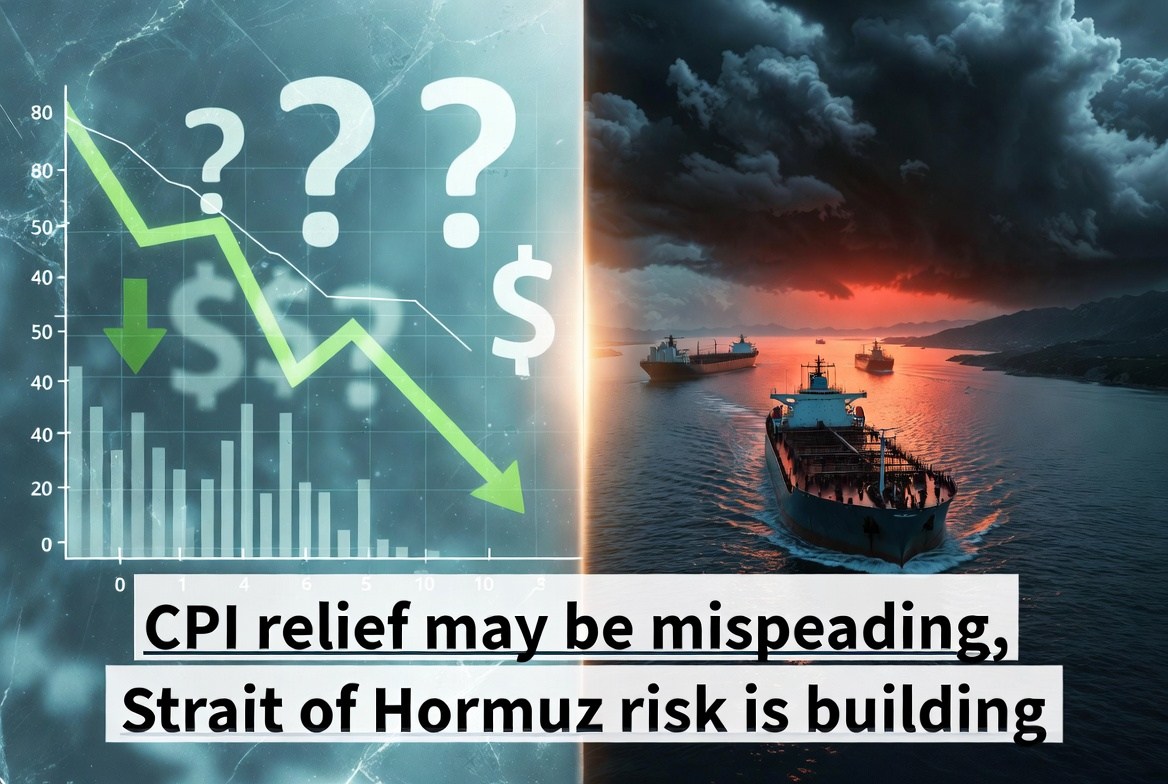
Bitfire Research says June CPI's drop was energy-driven, not disinflation, as Strait of Hormuz disruptions erode supply chain. Disruptions limit Fed room.
Continue with
June headline CPI printed at 3.5%, below the 3.8% consensus. Core CPI was flat month on month. Markets immediately read that as a green light for a September rate cut. BTC rose 1.3%. ETH rose 3.4%.
Bitfire Research Institute disputes that reading. The decline was almost entirely energy driven, not broad disinflation, the firm's analysts said. Strip out food and energy. Core goods kept rising: 0.7% in March, 0.7% in April, 0.2% in May, 0.2% in June. On the producer side, core goods PPI runs at 5.1% year over year. Fed Chair Kevin Warsh cautioned publicly: "This inflation data does not perfectly capture underlying inflation conditions." Financial services and hospital care costs continued to rise. Bitfire Research expects June core PCE to print slightly positive.
The Strait of Hormuz disruption adds a separate supply-side risk. A ceasefire collapsed after commercial tankers were attacked. The US launched airstrikes against Iranian coastal defenses, missile sites and port facilities. Iran retaliated. Brent crude surged from about $78 to the $85 range in a week. US national average gasoline prices rose from $3.79 to $3.86 per gallon.
Bitfire Research Institute believes the market treats the Strait of Hormuz situation as a binary question: blocked or not blocked. A single, predictable shipping disruption is manageable. The real damage comes from the repeated cycle of blockade, de-escalation and re-escalation, the firm's analysts said. That pattern makes it impossible for market participants to build stable expectations.
A refinery furnace cannot be turned off like a light switch. Without crude feedstock, it must burn natural gas or fuel oil just to maintain temperature. If an operator expects a prolonged shutdown, they will shut the furnace entirely. The current situation is a yo-yo: closed, then open, then closed again. Operators face an impossible choice. Keep the furnace burning at a loss, or shut it down and lose weeks of capacity when restarting. Each cycle destroys operating flexibility and erodes supply chain resilience. That cost is invisible in oil futures.