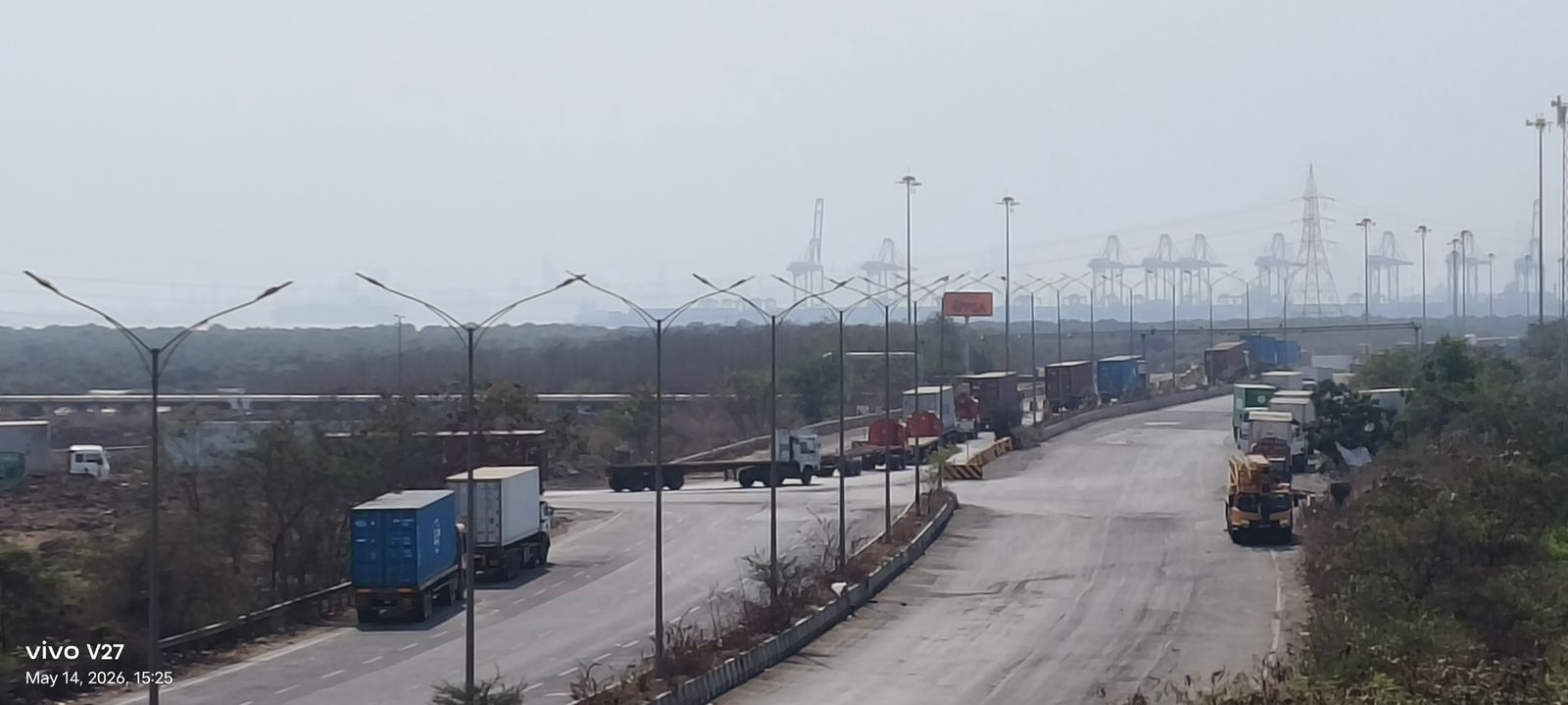
Berthing delays of two to five days at Nhava Sheva and Mundra, driven by drayage shortages, threaten freight rates and supply chains.
Vessel calls at India’s two largest container gateways are facing mounting delays. Carrier sources now report an average berthing delay of two days for regular services, while ad-hoc calls are waiting up to five days to secure a berth at Nhava Sheva (Jawaharlal Nehru Port) and Mundra. The immediate trigger is a sharp rise in container dwell times, driven by inadequate drayage capacity that cannot clear import boxes from the yards fast enough.
The delays are not a minor scheduling nuisance. Nhava Sheva and Mundra together handle the majority of India’s containerized trade. When yard occupancy climbs because containers sit waiting for trucks, terminal operators lose the ability to work vessels at normal speed. The result is a queue of ships at anchorage and a growing backlog of export cargo waiting to be loaded. For a shipping line, a two-day delay on a weekly service compresses the entire rotation, forcing decisions about omitting a port call or adding a vessel to maintain schedule integrity. Ad-hoc calls, which are often used to clear surge volumes or reposition empty containers, face even longer waits, making them a less reliable pressure-release valve.
The simple read is that port infrastructure is overwhelmed. The better market read is that the constraint sits outside the terminal gate. Drayage capacity–the trucking network that moves containers between the port and inland distribution points–has not kept pace with volume growth. When drayage is scarce, import containers dwell longer, yard density rises, and the terminal’s ability to handle vessel exchanges degrades. This is a throughput problem, not a berth-length problem. Adding more cranes or yard space would not fix it if the boxes cannot leave the terminal. The drayage shortage likely reflects structural issues: driver availability, chassis imbalances, or regulatory friction that slows truck turnaround. Until that capacity expands, any surge in import volumes will quickly translate into longer dwells and vessel delays.
The immediate consequence is upward pressure on freight rates for India-linked trades. Carriers facing delays at Nhava Sheva and Mundra have three levers: impose congestion surcharges, omit the port call and discharge at an alternate port (forcing costly inland moves for cargo), or absorb the delay and pass the cost through higher base rates on future contracts. Each path raises the landed cost of goods. For shippers moving time-sensitive cargo, the risk of rolled bookings or missed connections climbs. The disruption also widens the effective rate spread between Nhava Sheva/Mundra and smaller ports like Pipavav or Chennai, which may capture spillover volume if they can offer more reliable berthing windows.
The situation creates a near-term watchpoint for freight rate indices and carrier earnings guidance. If drayage capacity remains tight, the dwell problem will persist through the pre-monsoon import rush. The first concrete signal will be whether major alliances announce congestion surcharges or schedule adjustments for their India services. A sustained disruption would shift the competitive dynamics among Indian ports and could accelerate investment in off-dock container yards or dedicated trucking capacity. For anyone tracking the freight complex, the metric to monitor is not just vessel waiting time but the daily container dwell time at Nhava Sheva and Mundra. A further rise would confirm that the bottleneck is tightening, with direct read-through to freight costs and supply-chain reliability for India’s export and import sectors.
Prepared with AlphaScala research tooling and grounded in primary market data: live prices, fundamentals, SEC filings, hedge-fund holdings, and insider activity. Each story is checked against AlphaScala publishing rules before release. Educational coverage, not personalized advice.