Commodities● Neutral
Rising Fertilizer Costs and West Asia Conflict Squeeze Coffee
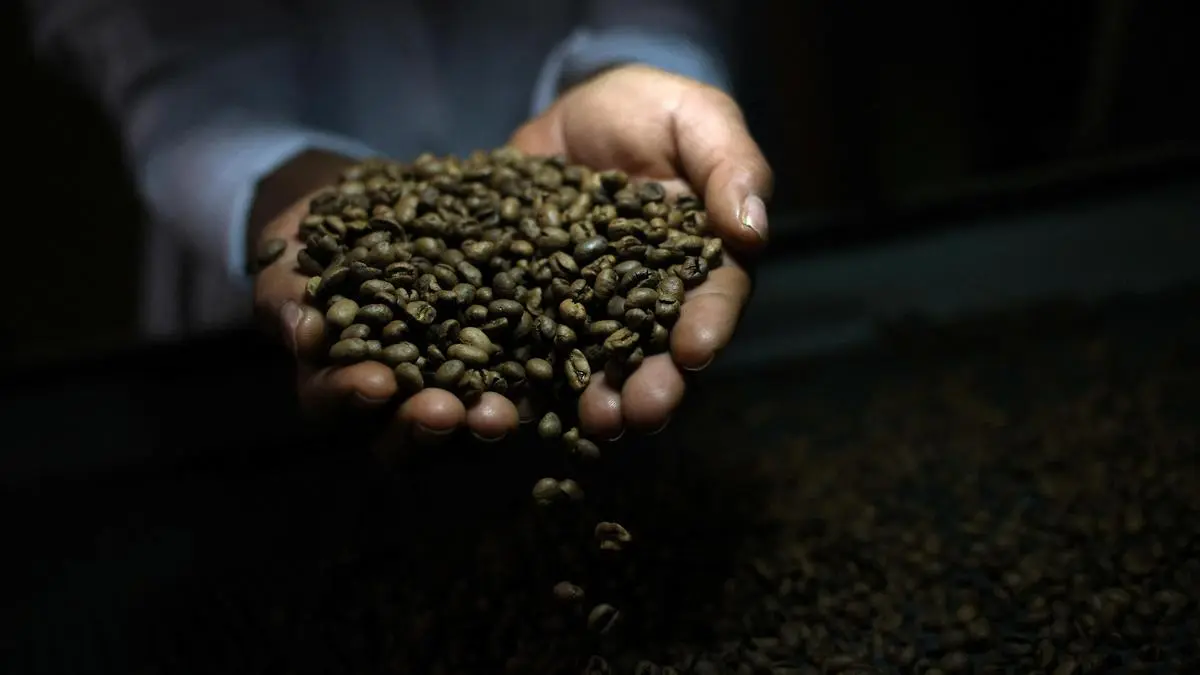
Global coffee supply faces long-term deficits as shipping delays and input inflation mount. Watch upcoming harvest reports from Brazil and Vietnam for shifts.
Continue with
Supply Chains Under Pressure
Global coffee prices are climbing again. The market is reacting to a combination of rising input expenses and geopolitical instability in West Asia. These factors threaten to constrict supply, leaving traders to adjust their positions as the outlook for future harvests dims.
The International Coffee Organization (ICO) recently issued a warning regarding the stability of future crop yields. Rising costs for essential fertilizers remain a primary concern for producers. When farmers cannot afford to nourish their soil, output quality and quantity suffer, creating a long-term deficit in the global commodities supply chain.
Regional Instability and Costs
Geopolitical friction in West Asia is complicating logistics. Shipping routes and trade flow are experiencing delays, which adds a premium to the cost of moving beans from producing regions to major consumption hubs. For those monitoring crude oil profile data, the connection to energy-driven logistics costs is clear. Higher fuel prices directly influence the freight rates that coffee exporters must pay.
Key Risks to Global Production
- Higher Fertilizer Expenses: Input inflation is forcing many small-scale farmers to reduce application rates.
- Logistical Bottlenecks: Instability in West Asia is slowing trade routes and increasing insurance premiums for cargo.
- Crop Yield Uncertainty: The ICO indicates that the combination of these pressures puts upcoming harvest cycles at risk.