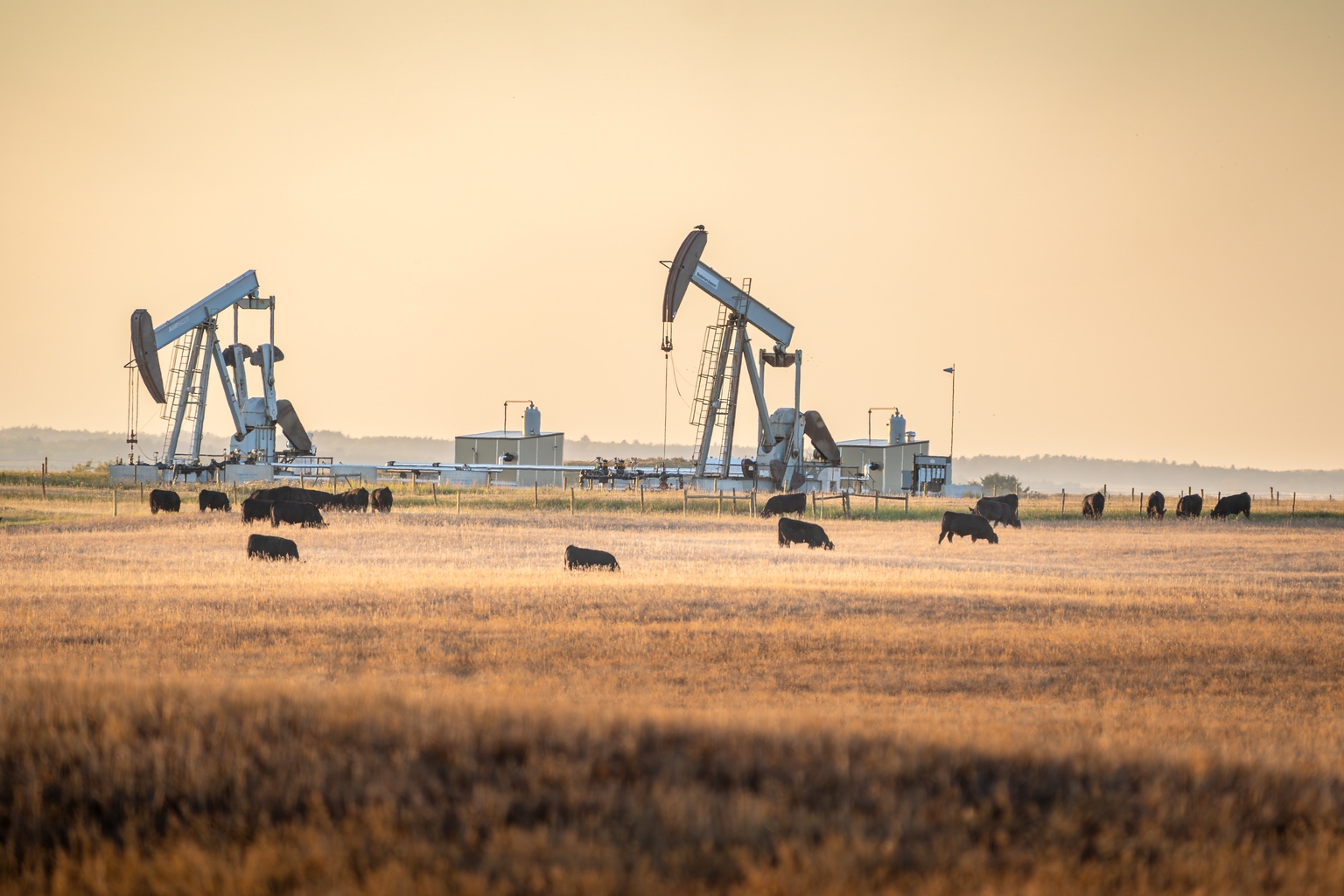
The escalation between Iran and Israel has pushed the Strait of Hormuz back to the center of oil market risk calculations. Canadian Natural Resources Ltd., a producer that pumps about 1.35 million barrels of oil equivalent per day from the Western Canadian Sedimentary Basin, sits outside that risk geography entirely.
In an analysis published on Seeking Alpha, a contributor argued that the broadening conflict has made CNQ's location a selling point. All of the company's assets lie outside the Strait of Hormuz, a chokepoint that moves directly into the risk premium equation when missile strikes and retaliation cycles escalate. The company's oil sands and conventional assets face a distinct set of risks: pipeline constraints and carbon policy. Labour costs are a separate factor. None of the company's operations involve a blocked sea lane.
The market has taken note. CNQ shares have outperformed the broader energy sector since the early October strikes. The gain has been measured rather than explosive. "The insurance value of Canadian barrels has gone up," one Toronto-based portfolio manager told the Seeking Alpha contributor.
The conflict's trajectory remains the dominant variable. The analysis cited an estimate that closing the Strait of Hormuz would remove about 20 million barrels per day from global supply, sharply lifting crude prices. In that scenario, CNQ's netbacks improve as the discount between Western Canadian Select and Brent narrows. A quick de-escalation would unwind that logic. Oil prices have already given back part of the initial spike, and the Canadian energy index has pulled back in tandem.
CNQ's internal profile provides a mixed read. The stock carries an Alpha Score of 66 out of 100, a Moderate rating within our framework. That score reflects a company with low leverage and consistent free cash flow. The dividend has grown in 21 of the last 22 years, supported by a balance sheet that holds roughly 11 times trailing earnings. Those are not distressed valuations. Check the CNQ stock page for detailed metrics.
The Iran conflict opens one scenario that benefits CNQ directly. A prolonged conflict that keeps the Hormuz risk in play would sustain the premium on secure supply. The same conflict could slow global economic growth, trimming oil consumption and capping the upside for all producers. CNQ's heavy crude exposure also means it benefits less from the light-sweet premium that certain U.S. shale plays command.
CNQ's next scheduled catalyst is its third-quarter earnings, due in early November. The focus will be on production volumes and cost inflation. Any updates to the capital-return plan will also be in focus. The macro backdrop, specifically the price of oil, may matter more than any single quarterly line item.
The stock has traded in a narrow range since the initial move higher. That pattern reflects a market that sees the logic of secure Canadian barrels. It is not yet convinced the conflict will last long enough to lock in the premium.
The third-quarter earnings in early November will offer the next concrete update on production and costs. The conflict trajectory between Iran and Israel will remain the dominant factor in CNQ's performance through year-end.