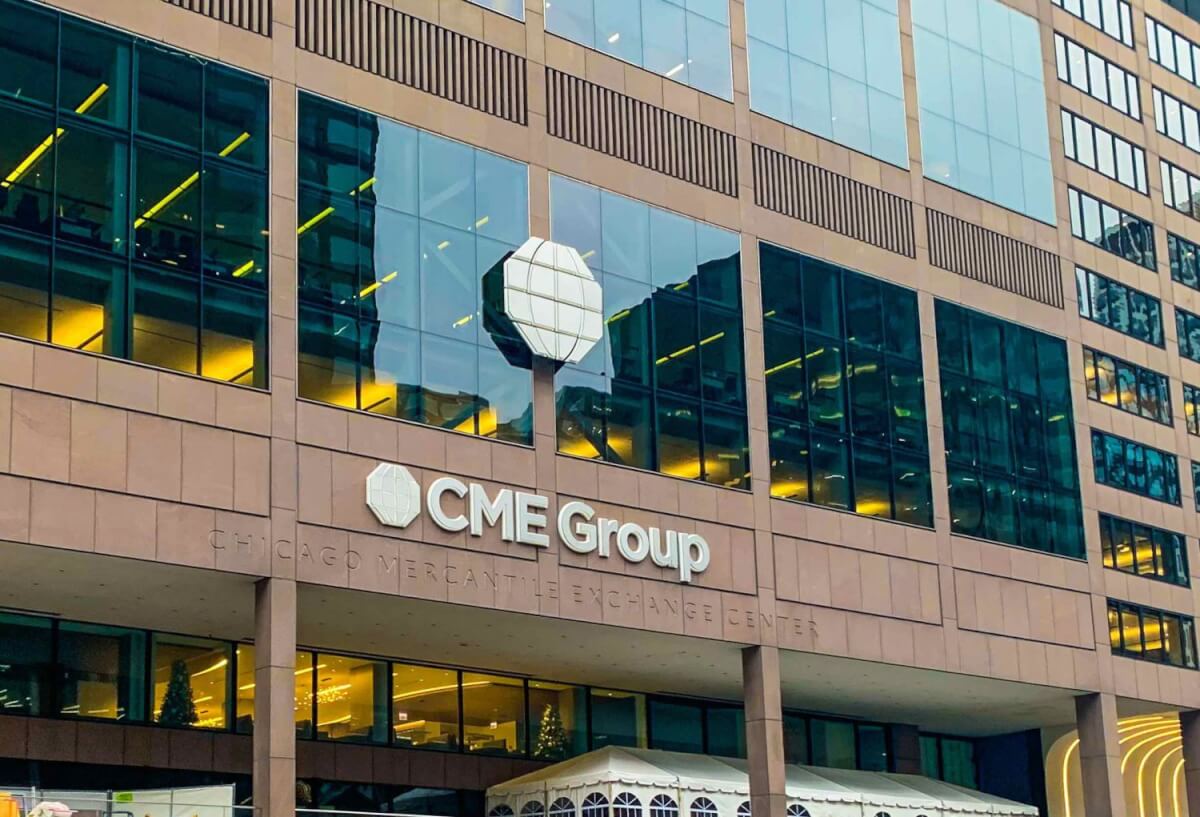
CME Group will list 75 new single-stock futures contracts on July 27, pending regulatory approval from the Commodity Futures Trading Commission. The launch marks the exchange's return to single-stock futures after the OneChicago exchange shut down in 2020 following years of low volume.
Single-stock futures allow investors to take a long or short position in an individual stock with the capital efficiency of a futures contract. Margins are lower than buying the stock on margin or trading deep-in-the-money options. Institutional managers can hedge stock-specific risk without moving the underlying cash equity market. Retail traders with futures accounts can access the contracts without a separate stock trading account.
The contracts will trade on CME's Globex platform, which operates nearly 24 hours a day on weekdays. Settlement is cash-settled based on the stock's closing price on the underlying exchange. That design avoids the delivery complications that plagued earlier products. Single-stock futures are regulated by the CFTC, not the SEC, which changes margin treatment and allows trading during Globex hours.
CME said the contracts respond to growing demand for equity derivatives outside traditional options. Options on single stocks have seen record volumes driven by retail participation and zero-days-to-expiry strategies. Single-stock futures offer a similar payoff profile with no time decay and a more straightforward margin model.
One risk is liquidity. The earlier attempt at single-stock futures in the U.S. never achieved meaningful volume. OneChicago, backed by CME and other firms, offered contracts from 2002 until 2020. Average daily volume never exceeded a few thousand contracts. CME's new effort benefits from a larger futures ecosystem and integration with futures brokers. The firm typically lines up market makers before product launches. Whether that happens will determine the bid-ask spreads at launch.
Another risk is regulatory. The CFTC must approve the contracts before they can launch. The agency has not signaled objections. Any delay could push the start date into the fall. CME expects approval before the July target.
If the contracts gain traction, they could reshape how traders hedge single-stock exposure. Hedge funds currently use total return swaps or equity options to express views on individual names. Single-stock futures offer a more transparent, centrally cleared alternative. The capital treatment is favorable under margin rules that treat futures differently from options.
CME's Alpha Score of 44 out of 100 reflects a mixed outlook on the stock. The new product line could broaden revenue beyond index futures and options. Execution risk is real. The market will watch early volume figures in August for a signal of whether this attempt will stick.
The launch date is set. Early volume in August will show whether liquidity providers step in with competitive quotes. If they do, single-stock futures may finally find a home in the U.S.