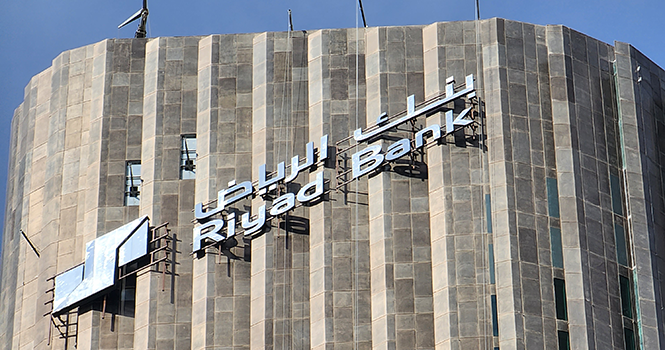
Riyad Bank secured CMA approval for a debt instruments program of up to SAR 10B. The read-through for Saudi bank funding and the sector's capital strategy is clear.
Riyad Bank secured the Capital Market Authority's approval to register and offer debt instruments under a program of up to SAR 10 billion, the regulator said Sunday.
The program lets the bank issue debt in multiple tranches over six months. The exact terms and the prospectus will be released before the subscription opens. The CMA noted that the approval does not recommend the offering – it only confirms the issuer meets legal requirements under the Capital Market Law.
For Riyad Bank, the approval gives more flexibility to raise long-term funding without tapping equity or relying solely on deposits. Banks in Saudi Arabia have been expanding non-deposit funding in recent years, and a program structure allows cheaper, staggered issuance compared to one-off bonds.
The read-through for the sector is incremental. Other Saudi lenders with strong credit profiles could seek similar approvals, especially if Riyad Bank's offering attracts solid demand. The CMA has signaled a supportive stance toward bank debt issuance; a few other institutions have active shelf programs. This could modestly improve funding cost visibility for the entire banking segment.
Investors should review the prospectus carefully when it lands. It will include the issuer's financial statements, a detailed view of its activities and management, and specific risk factors tied to the debt instruments. The CMA also reminded investors to consult a licensed financial advisor if any part of the document is unclear.
The approval is valid for six months from June 15. If Riyad Bank does not complete the offering and listing by December 15, the approval lapses. That six-month window creates a natural deadline – the bank will need to gauge market conditions and investor appetite before pricing any tranche.
Prepared with AlphaScala research tooling and grounded in primary market data: live prices, fundamentals, SEC filings, hedge-fund holdings, and insider activity. Each story is checked against AlphaScala publishing rules before release. Educational coverage, not personalized advice.