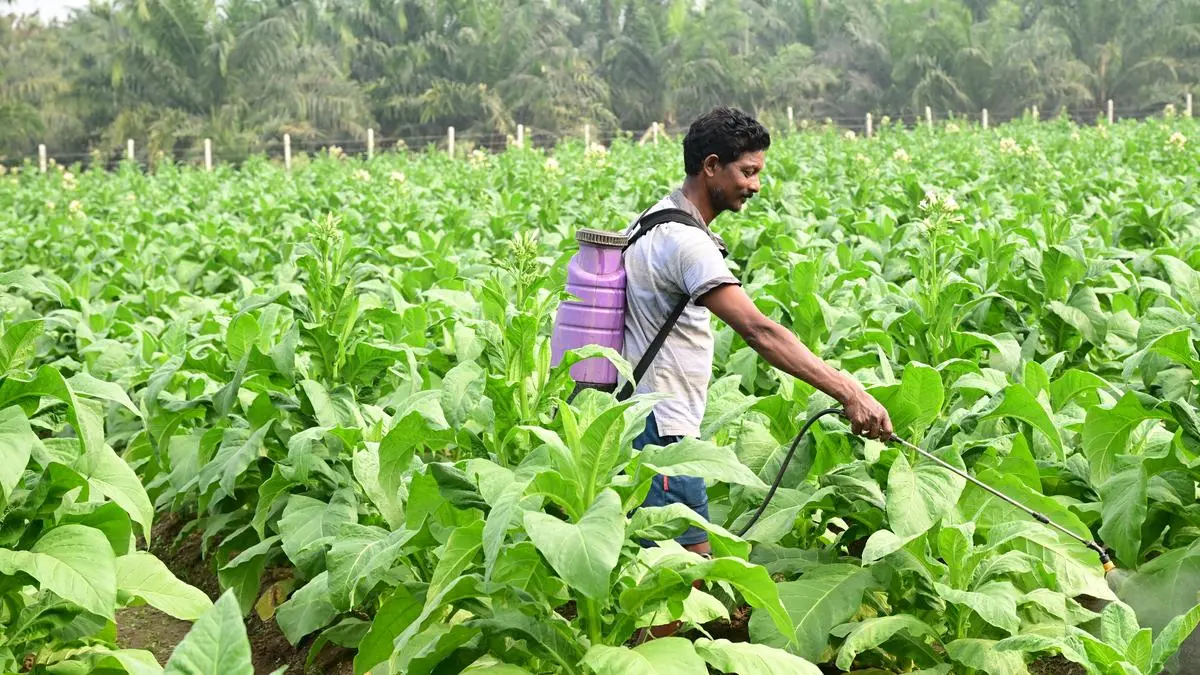
The recent surge in unseasonal rainfall across Maharashtra has fundamentally altered the risk narrative for India’s high-value agricultural sector. Specifically, the damage to grape harvests serves as a primary indicator of how climate volatility is now directly impacting the supply chain and financial stability of specialized farming operations. These crops, which require precise environmental conditions, are increasingly exposed to unpredictable weather patterns that bypass traditional seasonal expectations.
Vulnerability in Specialized Crop Cycles
The shift toward high-value crops like grapes, pomegranates, and certain export-grade horticulture products has been a strategic move for many farmers seeking higher margins. However, this transition has created a concentration of risk. Unlike staple crops that may have broader resilience or government-backed support mechanisms, these high-value varieties are highly sensitive to moisture levels and temperature fluctuations during critical growth stages. When unseasonal precipitation occurs, the loss is not merely a reduction in yield but often a total loss of export-quality inventory.
This development forces a reassessment of the capital intensity required for modern farming. Farmers are now compelled to invest in protective infrastructure, such as poly-houses or advanced irrigation management systems, to mitigate the impact of climate-driven events. The economic burden of these investments, coupled with the recurring threat of crop failure, creates a tightening margin environment that could lead to a consolidation of land ownership among those who can afford the necessary risk-mitigation technology.
Sector-Wide Read-Through and Financial Exposure
The instability in the agricultural sector has direct implications for the broader economy, particularly for firms involved in food processing, logistics, and supply chain management. Companies that rely on consistent, high-quality raw materials from these regions face increased procurement costs and potential supply shortages. This volatility often leads to price spikes in consumer markets, which can influence inflation metrics and impact the bottom line for retail-facing entities.
For investors monitoring the broader stock market analysis, the focus is shifting toward how these agricultural firms and their downstream partners manage climate-related balance sheet risks. The ability to hedge against these environmental variables is becoming a core competency rather than a secondary concern. As climate patterns continue to deviate from historical norms, the reliance on predictive modeling and adaptive farming techniques will likely determine the long-term viability of high-value agricultural investments.
AlphaScala Data and Market Context
In the context of consumer-facing sectors, firms like Hasbro, Inc. (HAS) operate under different risk profiles, yet they remain sensitive to the broader economic health of the consumer. HAS is currently categorized as Unscored within the Consumer Cyclical sector. You can track the latest developments on the HAS stock page. While agricultural volatility is distinct from the toy and gaming industry, both sectors are currently navigating a period where traditional demand and supply forecasting are being challenged by external, non-linear events.
The next concrete marker for this sector will be the upcoming harvest reporting cycle, which will provide data on the extent of the damage and the resulting impact on export volumes. Market participants should look for updates on insurance penetration rates for high-value crops and any new policy initiatives aimed at subsidizing climate-resilient infrastructure. These indicators will provide the necessary evidence to determine if the current climate risks are being successfully managed or if they will continue to exert downward pressure on sector margins.