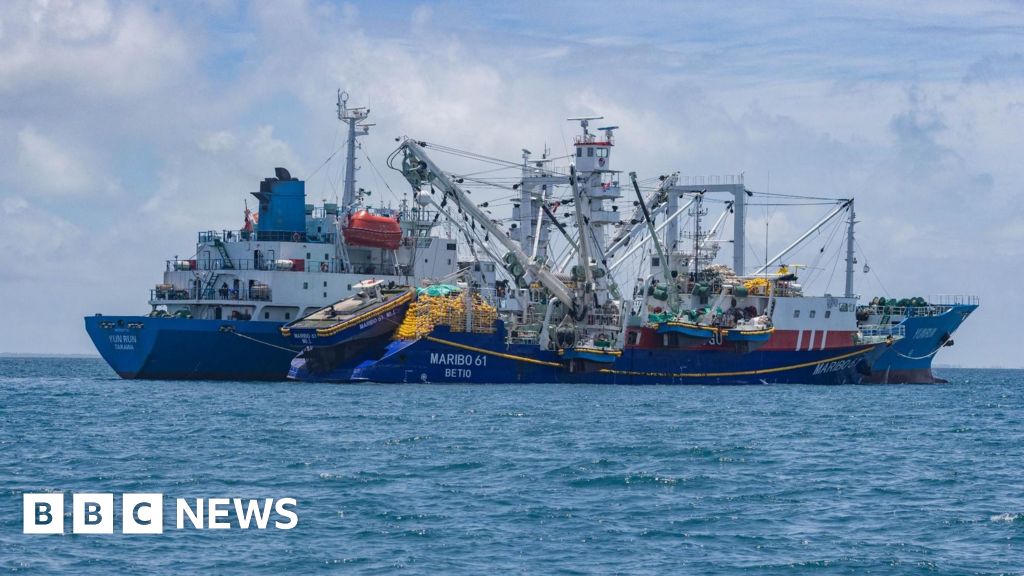
The economic stability of the Western and Central Pacific region faces a structural challenge as rising ocean temperatures force a geographic shift in tuna populations. With more than half of the global supply of canned tuna sourced from these waters, the potential migration of these stocks toward cooler, eastern latitudes threatens the primary revenue stream for several Pacific Island nations. This shift represents a fundamental change in the resource availability that has long underpinned regional trade and industrial output.
Impact on Regional Resource Dependency
The reliance on tuna fishing as a cornerstone of the Pacific economy creates a direct link between environmental conditions and fiscal health. As fish stocks move, the infrastructure built to support current catch zones, including processing facilities and local logistics networks, risks becoming stranded or underutilized. Nations that depend on licensing fees and export volumes from these waters are now forced to consider the long-term viability of their existing maritime economic models. The movement of these populations is not merely an ecological observation but a reordering of the regional supply chain.
Sectoral Read-Through and Supply Chain Vulnerability
Global food retailers and consumer goods companies are exposed to the resulting volatility in procurement costs. When the primary source of a commodity shifts, the logistics of extraction and distribution must adapt, often leading to increased operational expenses. Companies operating within the consumer cyclical sector, such as those tracked on our stock market analysis pages, must now account for the potential of sustained supply disruption. The geographic displacement of tuna stocks necessitates a re-evaluation of inventory management and long-term sourcing contracts for major food distributors.
AlphaScala data currently reflects a mixed outlook for various consumer-facing entities, including AS stock page and FIVE stock page, which operate within broader retail environments sensitive to commodity price fluctuations. While these companies maintain different core businesses, the broader trend of climate-induced supply chain shifts remains a persistent variable in their operational planning.
The Path Toward Economic Adaptation
Future economic planning in the Pacific will likely center on the renegotiation of maritime boundaries and the development of more mobile processing capabilities. Policymakers are tasked with balancing the immediate need for revenue with the reality of a changing climate that ignores established territorial waters. The next concrete marker for this issue will be the upcoming regional fisheries management meetings, where member nations will address the reallocation of fishing rights in response to shifting stock distributions. These discussions will determine whether the current economic framework can be salvaged or if a total transition toward new revenue models is required to offset the loss of traditional fishing grounds.