Back to Markets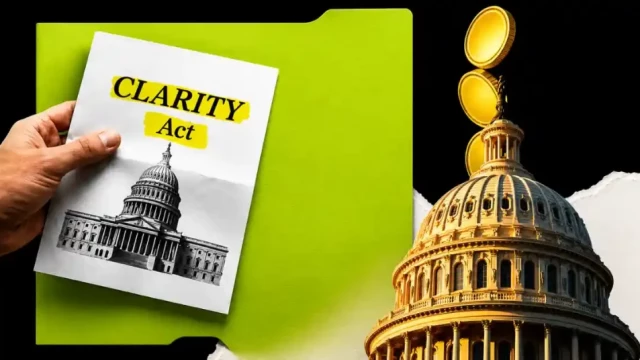
Crypto● Neutral
CLARITY Act Stalls in July Recess; Passage Odds Drop to 50%
Senate Republicans push for progress. Ethics rules and scheduling threaten timeline. Alex Thorn cuts passage probability to 50%. Recess negotiations continue.
Continue with
Congress is out until July 13, leaving the CLARITY Act in limbo behind closed doors. Eleanor Terrett reported that Senate Republicans feel growing urgency to move the bill forward.
President Donald Trump recently said he would not sign a bipartisan housing bill until Congress passes the SAVE Act, a controversial voter-ID measure. Trump has not made a similar threat on crypto legislation. The episode showed how limited floor time has become, Terrett said.
Senate Majority Leader John Thune has called the CLARITY Act a priority. He admitted this week that time is running short to resolve key issues.
One of the biggest unresolved topics is ethics rules tied to Trump's crypto businesses. Democratic support may hinge on whether the final bill includes stronger ethics provisions, Terrett reported. Senators Ruben Gallego and Angela Alsobrooks have said their continued backing depends on an acceptable ethics agreement. New compromise proposals are expected to be exchanged during the break.