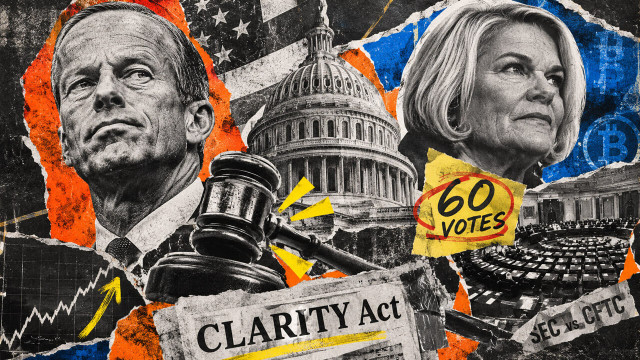
Senate Majority Leader John Thune filed cloture early Saturday on the motion to proceed to H.R. 3633, the Digital Asset Market Clarity Act, giving the stalled crypto market-structure bill a direct path to the Senate floor when lawmakers return on Sept. 14.
The procedural move does not guarantee the legislation will pass, or even that the Senate will agree to debate it. The filing is the furthest the bill has advanced on the Senate floor, and it turns September into the first direct test of whether supporters have assembled a viable bipartisan coalition. Under chamber rules, a cloture motion generally ripens after two session days, and invoking it requires three-fifths of the Senate, normally 60 votes. Republicans will need Democratic support to move forward.
Sen. Cynthia Lummis, one of Congress's leading advocates for the legislation, described Thune's move as "clearing the way for CLARITY." The filing gives the act something it lacked through months of negotiations: a place in the Senate's formal floor process.
The failed push for a pre-recess vote made the filing more consequential. It sharply compressed the remaining legislative calendar ahead of the November elections, and the Senate will have only a limited September session before campaigning intensifies.
Thune's filing lets leadership begin burning through the procedural time required to advance the bill almost immediately after senators return, rather than first spending days arranging a floor vote. Securing cloture only allows the Senate to proceed to consideration of the legislation. The disagreements that prevented a deal before the recess remain unresolved.
The most consequential dispute concerns whether senior government officials can profit from crypto businesses while overseeing policies that affect the industry. President Donald Trump's expanding digital-asset businesses have put that question at the center of the negotiations. A bipartisan proposal under discussion would require the president to divest from crypto-related businesses, an issue Democratic senators have made central to their support for the broader legislation. The proposal remains under negotiation between Congress and the White House.
Stablecoin rewards have created a separate fault line between banks and crypto companies. The latest Senate proposal would prohibit rewards on idle stablecoin balances that resemble bank deposits, while permitting incentives tied to transaction activity. The issue has remained contentious. Safeguards against illicit finance are also unresolved.
The CLARITY Act would establish a federal market structure for digital assets and divide regulatory responsibilities between the Securities and Exchange Commission and the Commodity Futures Trading Commission. The Senate Banking Committee advanced the legislation in May on a 15-9 bipartisan vote. That support has not yet translated into the 60 senators needed on the floor.
The first cloture vote will show whether weeks of negotiations produced enough Democratic support to keep Congress's biggest crypto legislative effort alive.
Coinbase CEO Brian Armstrong acknowledged the August setback Friday, saying Thune's commitment had kept the legislation within reach. "The Senate didn't move the CLARITY Act this week. That's disappointing," Armstrong said, adding that the industry was "closer than we've ever been" and urging lawmakers to "finish the job in September."
For crypto companies, September no longer reads as another aspirational deadline. Thune's cloture motion will be ready to ripen within days of the Senate's Sept. 14 return. The first vote will show whether the recess produced the 60 votes needed to advance.