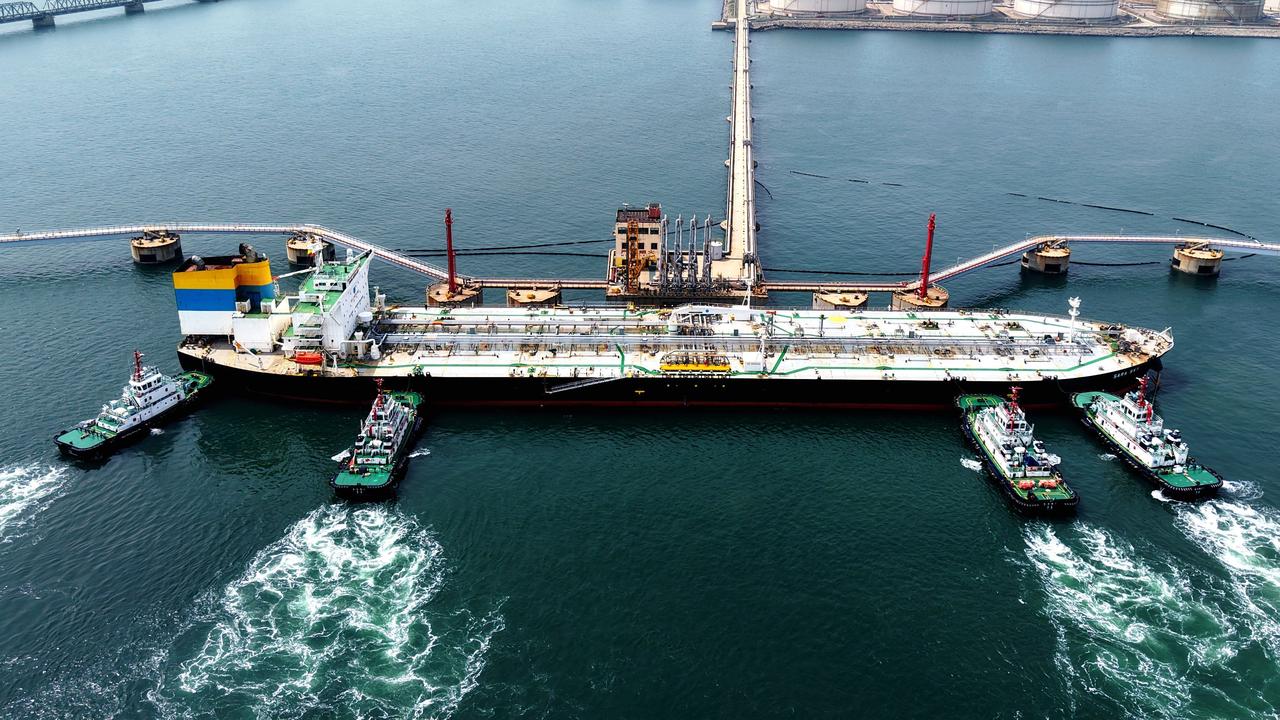
China’s leadership has signaled a definitive pivot in its national energy policy, with the Politburo formally committing to fortify the country against external supply shocks. This shift follows the heightened volatility in global energy markets triggered by the conflict involving Iran. By prioritizing domestic energy security, Beijing is moving to insulate its industrial base from the price fluctuations and supply chain disruptions that characterize the current geopolitical environment.
Strengthening Domestic Energy Infrastructure
The core of this policy shift involves a renewed commitment to rapid technological deployment across the energy sector. Beijing intends to accelerate the integration of domestic energy sources to reduce reliance on imported hydrocarbons. This strategy emphasizes the expansion of internal production capacities and the modernization of grid infrastructure to handle increased loads from localized power generation. By focusing on self-sufficiency, China aims to minimize the leverage that external actors hold over its economic stability.
This directive suggests a long-term reallocation of capital toward energy independence. The focus is not merely on increasing output but on creating a more robust, decentralized energy network capable of withstanding sudden geopolitical shifts. For investors, this marks a transition from a reliance on global commodity markets to a model heavily supported by state-led infrastructure investment and domestic technology firms.
Sectoral Read-Through and Industrial Impact
The move to prioritize energy security carries significant weight for the broader stock market analysis landscape. Industries dependent on consistent and affordable power, such as manufacturing and heavy industry, are likely to see shifts in operational costs as the state mandates the use of domestic energy sources. Companies involved in grid modernization, renewable energy storage, and domestic extraction are positioned as primary beneficiaries of this policy pivot.
This strategic realignment mirrors broader efforts by major economies to secure critical supply chains. While the immediate focus is on energy, the underlying logic of insulating the domestic economy from external shocks is a recurring theme in current policy discussions. As China continues to integrate these security mandates into its five-year planning cycles, the divergence between globally exposed firms and those aligned with national security priorities will likely widen.
AlphaScala data indicates that capital flows into domestic infrastructure-linked equities have shown increased sensitivity to Politburo policy announcements over the last two quarters. This trend suggests that institutional positioning is increasingly mirroring the state's stated objective of building a fortress economy.
The Path to Implementation
The next concrete marker for this policy shift will be the release of specific budgetary allocations for energy infrastructure projects. Investors should monitor upcoming provincial-level implementation plans, which will detail the scale of investment in grid upgrades and domestic energy production. These filings will provide the necessary granularity to assess which firms are set to receive state support and how the transition will impact the cost structures of energy-intensive sectors. The speed at which these projects move from policy pledge to construction will determine the effectiveness of China's effort to decouple its energy security from international volatility.