The Integrated Model Versus Pure-Play Strategy
Chevron (NYSE:CVX) and ConocoPhillips (NYSE:COP) finished 2025 with financial results that reveal a sharp divide in how energy majors survive commodity price volatility. Investors are currently weighing the merits of Chevron’s integrated business model against the aggressive, pure-play focus seen at ConocoPhillips. For those seeking long-term income, the dividend sustainability of each firm rests on these competing philosophies.
Comparing the Financial Foundations
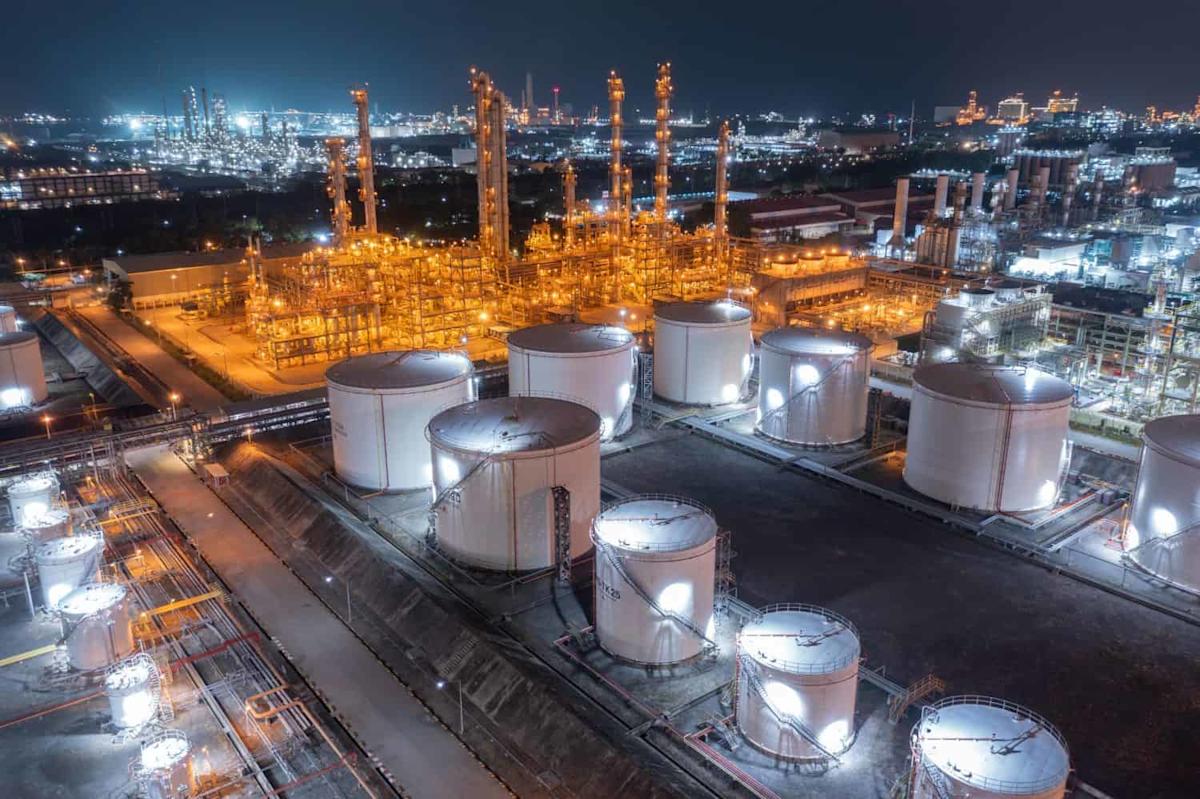
Chevron operates as an integrated giant, combining upstream production with downstream refining and chemical operations. This structure provides an inherent buffer during periods of low oil prices because refining margins often rise when crude costs drop. Conversely, ConocoPhillips functions as an independent exploration and production company. It avoids the capital-intensive nature of downstream assets to focus entirely on shale inventory and production efficiency.
| Feature | Chevron (CVX) | ConocoPhillips (COP) |
|---|
| Model | Integrated | Pure-play E&P |
| Primary Buffer | Downstream/Refining | Shale Inventory |
| Dividend Risk | Lower (Diversified) | Higher (Cyclical) |
| Capital Focus | Asset Maintenance | Production Growth |
Dividend Reliability Analysis
When evaluating which payout is safer to hold indefinitely, the structural differences become clear. Chevron’s ability to offset upstream losses with refining profits provides a level of stability that pure-play firms struggle to replicate. Analysts often point to this diversification as the primary reason for Chevron's reputation as a defensive dividend play.
"Chevron’s integrated model acts as a natural hedge, whereas ConocoPhillips is essentially a high-leverage bet on the price of a barrel of oil," noted one market observer.
ConocoPhillips, however, prioritizes capital returns through a more variable dividend structure. Its commitment to shareholders is tied strictly to its ability to extract value from its shale holdings. While effective in bull markets, this strategy leaves the dividend susceptible to the ebb and flow of crude oil profile prices.
Market Implications for Energy Investors
Traders must decide if they prefer the consistent, albeit slower, growth of an integrated major or the high-output, volatility-prone profile of an independent producer. Those following commodities analysis recognize that energy sector dividends are rarely truly risk-free. However, the disparity in how these two firms manage cash flow during downturns is stark.
- Chevron's Advantage: Refining operations provide a counter-cyclical revenue stream.
- ConocoPhillips' Strategy: Intense focus on shale inventory management drives investor returns.
- Investor Risk: Pure-play producers like COP are more sensitive to global supply shocks.
Future Outlook
Looking ahead, the market will monitor how both companies adjust capital expenditure in response to shifting global energy demand. Chevron’s path involves maintaining its wide asset base to ensure steady payouts, while ConocoPhillips will likely continue to lean into its shale assets to drive shareholder value. Investors focusing on longevity should examine if the pure-play model can maintain its edge if price cycles remain prolonged or unpredictable.