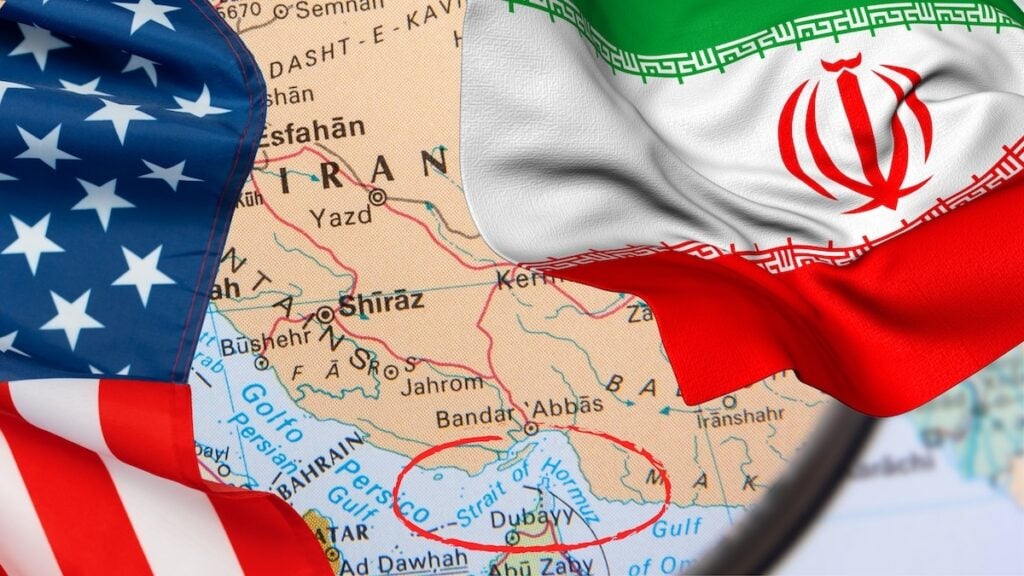
Chevron CEO Mike Wirth has identified the Strait of Hormuz as a primary source of structural instability for global energy markets. The warning centers on the inability of current global inventories to buffer against supply shocks stemming from the ongoing U.S.-Iran conflict. This assessment shifts the narrative from temporary price spikes to a period of sustained upward pressure on crude oil valuations.
Structural Constraints and Supply Vulnerability
The Strait of Hormuz serves as a critical conduit for global oil transit. Disruptions in this region create immediate bottlenecks that bypass traditional inventory management strategies. When supply chains are this concentrated, the market loses its capacity to absorb geopolitical volatility through standard stock releases. Wirth suggests that the current inventory levels are insufficient to offset the risks posed by regional instability.
This environment forces a reassessment of operational resilience for major energy producers. Companies with heavy reliance on maritime transit routes face increased insurance premiums and logistical delays. Investors monitoring the CVX stock page should note that the company's ability to navigate these geopolitical constraints is now a primary factor in its operational outlook. The current AlphaScala score for Chevron is 41/100, reflecting a mixed outlook as the firm balances these external pressures against its internal capital allocation strategies.
Sector Read-Through and Market Impact
The energy sector is currently navigating a transition where geopolitical risk premiums are becoming a permanent feature of price discovery. While previous market cycles relied on inventory cycles to smooth out volatility, the current situation in the Strait of Hormuz suggests that supply-side shocks are becoming more frequent and severe. This reality impacts the broader energy complex, as producers must now account for higher costs of capital and increased operational risk in their long-term planning.
Beyond the immediate impact on crude prices, the situation highlights the fragility of global energy security. The reliance on specific maritime chokepoints remains a vulnerability that cannot be mitigated by domestic production increases alone. As the conflict persists, the market will likely see a decoupling of price movements from traditional demand-side indicators, shifting focus toward regional security developments and maritime transit data.
The Path to Price Normalization
The next concrete marker for the energy sector will be the trajectory of global inventory levels relative to transit volume through the Strait of Hormuz. If regional tensions continue to escalate, the market will look for evidence of supply chain diversification or shifts in maritime security protocols. Any sustained reduction in transit capacity will force a recalibration of energy sector earnings expectations, particularly for firms with significant exposure to international shipping lanes.
Market participants should monitor upcoming reports on global crude storage levels and regional geopolitical updates. These data points will serve as the primary indicators of whether the current upward pressure on prices will transition into a more permanent structural shift. The ability of major energy firms to maintain consistent output in this environment will determine the next phase of valuation for the sector.