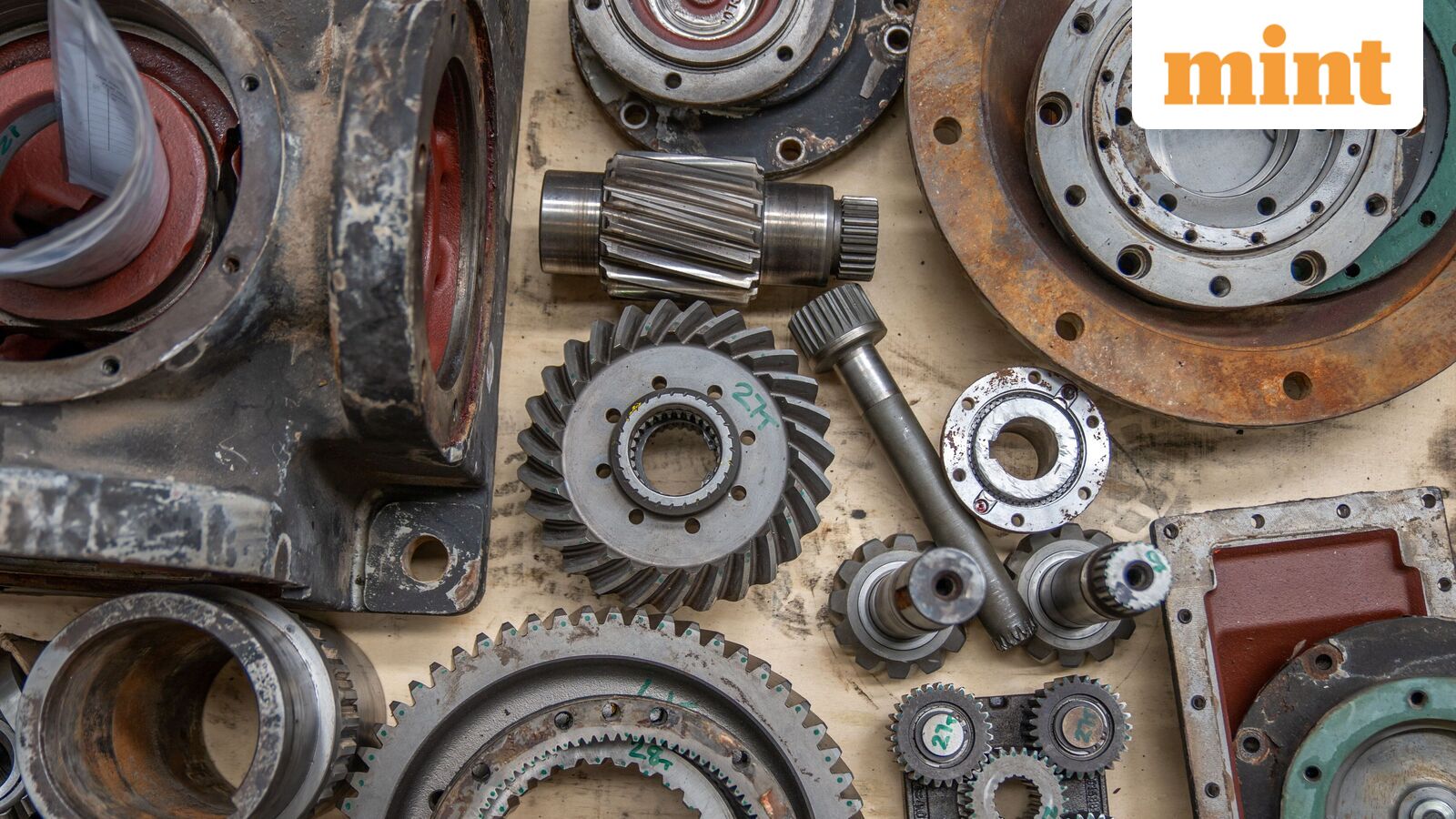
The promoters of Chamundi Die Cast Pvt. Ltd., a maker of aluminium castings for automakers, are looking to sell a stake for up to ₹1,500 crore, two people familiar with the matter said. They have hired KPMG as an advisor.
The company wants to raise ₹1,200-1,500 crore to accelerate growth and professionalize operations, one of the people said. A second person confirmed the KPMG mandate and said several private equity funds have been approached.
The deal had been in the market for some time. It stalled because of global uncertainties, the second person said. It has now been relaunched. Both people asked not to be named.
If completed, this would be Chamundi’s first external fundraise. A growing number of promoter-owned businesses in manufacturing are turning to private equity to fund expansion, improve governance, and plan succession. The government’s Make-in-India initiative and the push for diversified supply chains have drawn investor attention to profitable industrial companies.
Recent examples include Tessolve’s $150 million raise led by TPG Growth and Bain Capital’s investment in Dhoot Transmission. Bain also partnered with RSB Transmissions in 2024. Carlyle, Mint reported last year, is building a $400 million platform to buy and merge Indian auto component makers.
Chamundi was founded in 1985 by Ghouse Khan. His sons Yasin Khan and Farhan Khan now run it. The company makes machined aluminium castings with capabilities from design and melting to CNC machining, powder coating, and assembly. It has factories in Tumkur, Karnataka, and Ranipet, Tamil Nadu.
Crisil, in a report last year, said Chamundi benefits from repeat orders from large auto customers and a steady addition of global clients. Switching vendors is slow because of long approval cycles and qualification processes, which raises customer stickiness.
Around 40% of Chamundi’s revenue comes from the United States. That exposes it to export tariffs and global trade uncertainty, Crisil said. The ratings agency flagged moderate revenue growth and margin pressure as a risk. Competition from original equipment manufacturers and big global auto-component firms could also limit pricing power and scalability.
Raw materials account for a large share of production costs, so small price swings hit margins hard, Crisil added.
Customer concentration is another concern. Chamundi gets nearly 61% of its revenue from its top three clients.
The company’s operating income was ₹440.69 crore in FY25, up from ₹423.26 crore a year earlier. Profit narrowed to ₹72.48 crore from ₹92.06 crore, Crisil said.
For a broader view of the deal environment in Indian manufacturing, see our market analysis.