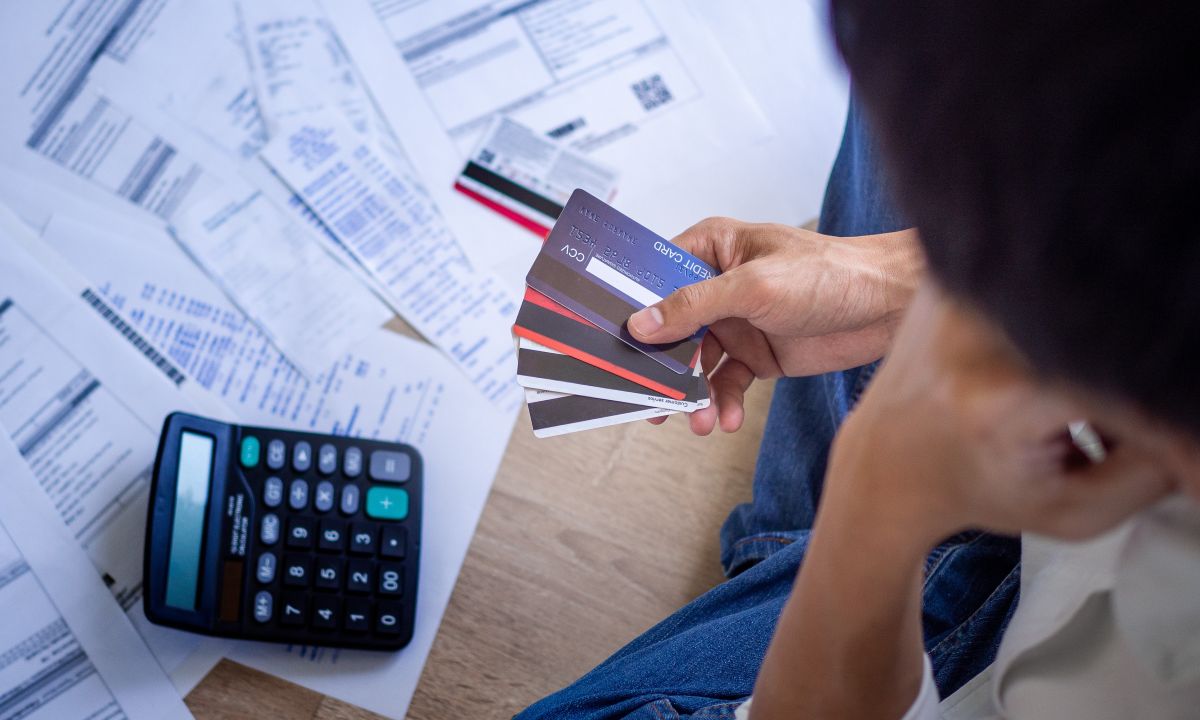
American card delinquencies inched higher in June even as charge-off rates dropped across the largest U.S. lenders.
The average delinquency rate rose to 2.48% from 2.47% in May, according to Seeking Alpha's latest Credit Pulse report published Friday. The June figure sits below the three-month average of 2.50% and well under last year's 2.67% and the pre-pandemic level of 2.68%.
Seven banks are tracked: American Express (AXP), Synchrony, Bread Financial, Capital One, Citigroup, JPMorgan Chase (JPM) and Bank of America (BAC).
The average net charge-off rate fell to 3.42% from 3.63% between May and June. That three-month moving average came to 3.58%, essentially matching the pre-pandemic 3.59% and down from 3.85% in June 2024.
"During the pandemic, many consumers paid down their credit card debt entirely," Elizabeth Renter, senior economist at NerdWallet, said. "Since then, however, debt levels have climbed and surpassed pre-pandemic levels. High inflation means they may be relying on their credit cards to maintain a lifestyle they can't really afford."
Renter said households are not buying luxuries. Some are turning to credit as an emergency fund for essentials when cash runs short. "With credit card interest rates high and savings spent down, people are likely having a hard time keeping up on these payments," she added.
Consumer confidence rose less than expected in June, according to The Conference Board data cited in the report. Dana Peterson, the board's chief economist, said perceptions of the current labor market "softened measurably" as the share of consumers calling jobs hard to get hit 22.5%, the highest since January 2021.
Separate research from PYMNTS Intelligence found consumers have grown less positive about their current finances and their ability to manage debt since December. Still, credit card use held steady. 66% of millennials said they used cards for retail purchases in the last 12 months, just behind the 70% who used debit cards.
"Credit can provide additional purchasing capacity, but it also gives consumers control over when cash leaves their accounts," PYMNTS wrote. "For those who pay their statement balance in full, cards can provide that timing flexibility without revolving interest."
JPMorgan Chase shares traded at $353.21, up 0.95% on the session. The bank holds an Alpha Score of 54, rated Mixed. Bank of America also scores 54, while American Express sits at 42, both in Mixed territory.