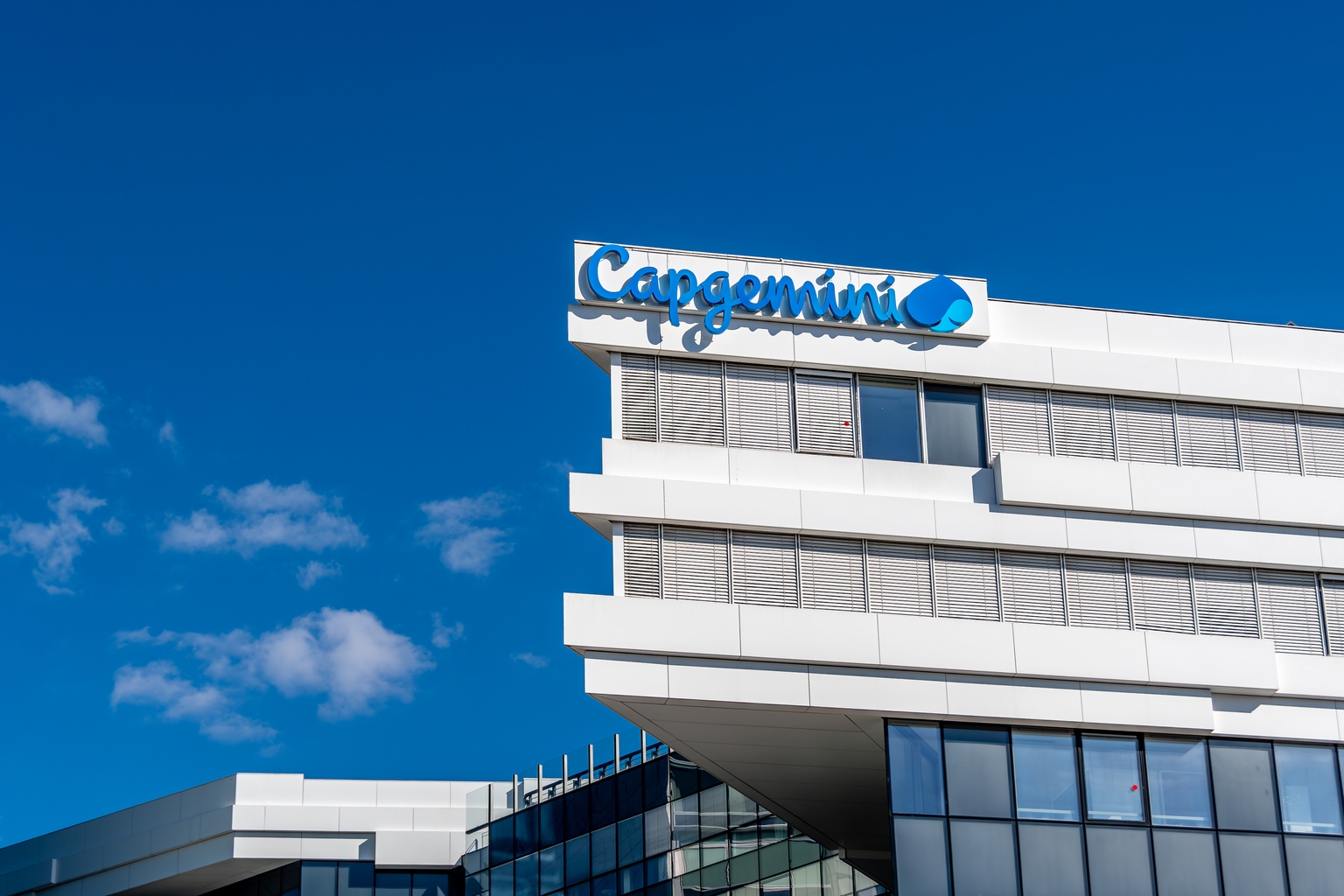
Capgemini’s latest quarter shows the IT services sector is turning. But the pace of that turn is slower than some investors had hoped.
The French firm reported organic revenue growth of 1.1% in the first quarter, a modest improvement after a year of declines. Management pointed to early signs of demand stabilization, particularly in cloud migration and artificial intelligence consulting. Yet the headline number fell short of the 2% to 3% growth some analysts had penciled in.
“We are seeing clients move from cost-cutting to cautiously investing again,” Chief Executive Officer Aiman Ezzat said on the earnings call. “But the recovery is uneven across industries and regions.”
Capgemini’s consulting and digital transformation units posted stronger activity. The outsourcing business, by contrast, remained under pressure as clients continue to trim long-term contracts. The geographic split was also telling: North America showed the earliest signs of a rebound, while Europe lagged.
A year ago, Capgemini was one of the first big IT services firms to warn of a slowdown. It cut its 2023 revenue target in October, sending its shares down 8% in a single session. Now it is among the first to report a stabilization, but the shape of that recovery matters.
“The mix is shifting toward shorter-cycle, project-based work rather than large multi-year deals,” said Frederic Boulan, an analyst at Bank of America. “That gives management less visibility into the second half.”
Capgemini reiterated its full-year guidance for modest organic growth and stable operating margins. The company expects free cash flow of roughly €1.8 billion, up from €1.6 billion last year. Margins in the consulting unit improved by 40 basis points, helped by tighter cost controls.
Still, the stock trades at about 11 times forward earnings, a discount to Accenture’s multiple of 14. The gap reflects skepticism that Capgemini can accelerate growth in the second half as much as the market would like.
For long-term holders, the thesis has not broken. Capgemini’s exposure to cloud migration and AI advisory work positions it to benefit from the next IT spending cycle. The question is how long investors are willing to wait for that cycle to arrive in full force.
“The recovery is real, but it’s going to be a slow grind,” Ezzat said. “We are not expecting a sudden spike in demand.”