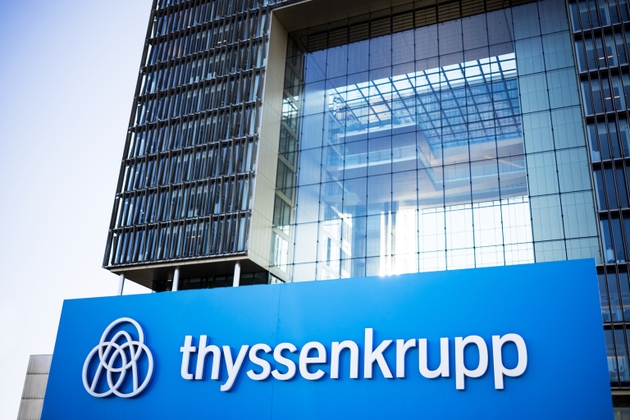
Prime Minister Carney said Monday that Canada selected Germany’s ThyssenKrupp Marine Systems to build as many as 12 submarines. The deal, valued at roughly C$60 billion, marks Canada’s largest individual defense procurement in decades.
The choice over France’s Naval Group and Spain’s Navantia signals a strategic pivot toward European allies, analysts said. Carney said the submarines would be built in Canada. Work will split between shipyards in Halifax and Vancouver. The government estimates the program will create 10,000 jobs over its life.
Shares of TKAMY rose 8% in over-the-counter trading Tuesday. The stock had been range-bound for months. Investors were waiting for clarity on the procurement timeline.
The first submarine is expected to enter service in 2035. All 12 will be delivered by 2045, according to the government’s current schedule. ThyssenKrupp will adapt its Type 212CD design, a diesel-electric boat already used by Germany and Norway. Canadian modifications will focus on Arctic operations, including ice-strengthened hulls and cold-weather systems.
Canada’s existing submarine fleet consists of four aging Victoria-class boats. Only one is operational at any given time. The new fleet will replace them entirely.
Opposition critics questioned the cost and timeline. They argued Canada could have procured off-the-shelf submarines faster and cheaper from South Korea. Carney said the long-term strategic value of building domestic capacity outweighed the upfront premium.
The contract includes a technology-transfer agreement that will allow Canadian engineers to participate in design and construction. Carney said the deal strengthens Canada’s sovereign defense industrial base and reduces reliance on foreign maintenance.
The program will be funded through Canada’s existing defense budget. That budget is set to rise to 2% of GDP by 2032, up from 1.4% currently. The submarine deal accounts for roughly 0.3% of GDP over the construction period.
Defense contractors have drawn increased investor attention as NATO countries accelerate spending. AlphaScala's stock market analysis tracks sector rotation and procurement-driven moves.