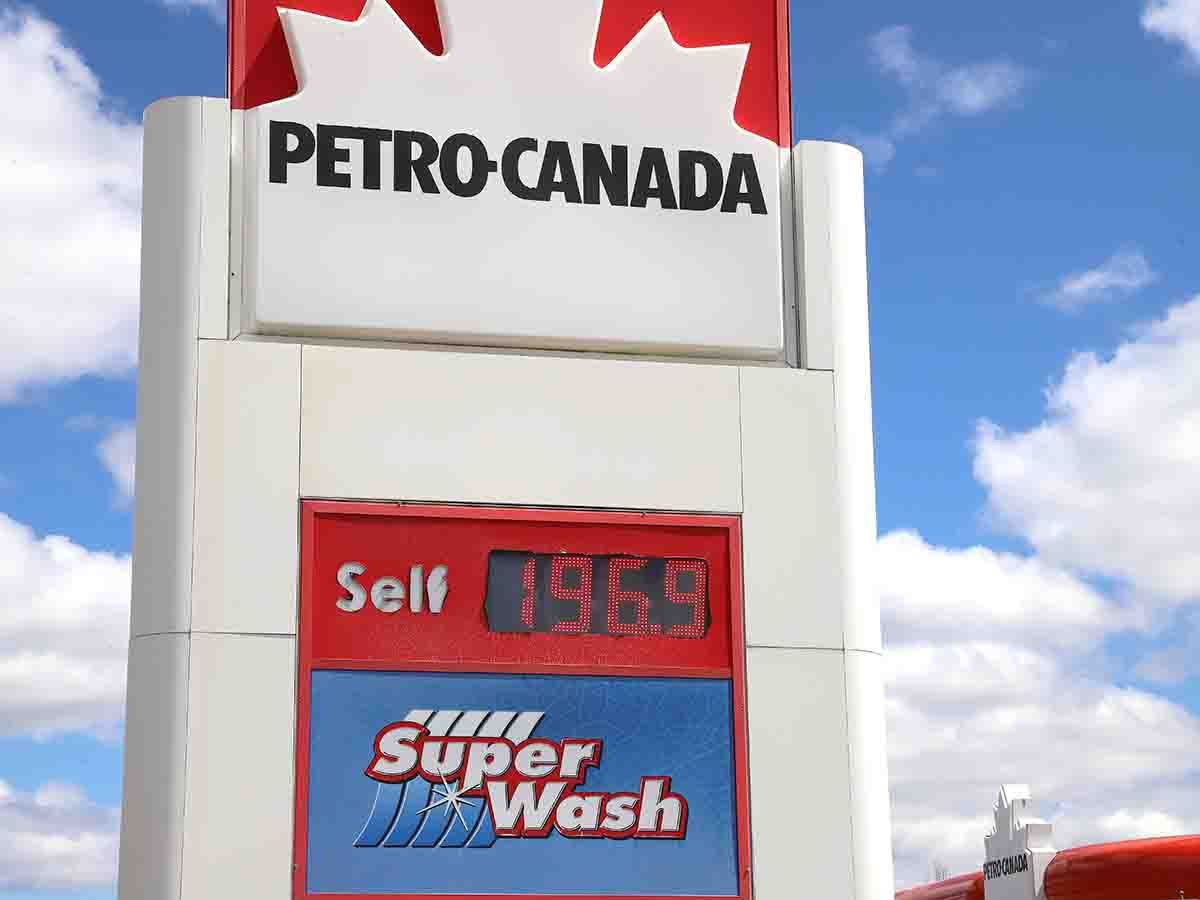
Statistics Canada publishes its July Consumer Price Index report Monday. The print is expected to show inflation edging back toward 3%, pushed by a rebound in gasoline prices.
CIBC Capital Markets forecasts the annual rate hit 3% in July, after June's 2.8% reading. The June figure was the lowest since the Iran conflict initially drove oil prices higher in the spring. Andrew Grantham, executive director and senior economist at CIBC, said gasoline prices saw a "partial rebound" after the United States and Iran renewed strikes in early July. Those levels did not match the peaks reached when the conflict first erupted earlier this year.
RBC Economics expects a slightly lower number. Nathan Janzen, assistant chief economist at the firm, said inflation likely rose to 2.9% in July. He pointed to little evidence of broader price pressures beyond the direct fuel impact.
Core inflation measures – CPI-trim and CPI-median, which strip out volatile components like food and gasoline – have held below 2% year-over-year since June. That pattern should continue in the July data, Janzen said in an interview. Oil prices have moved higher again but remain below the April and May peaks, levels that would be needed for pass-through to broader consumer prices beyond gasoline and airfares, he added.
Grantham said the latest gas-price spike looks temporary. Still, some components remain under pressure. Airfares, for example, are still elevated on a year-over-year basis. “They’re not as high as what we saw earlier this year, but these are year-over-year inflation rates, so they’re still a lot higher than they were a year ago,” he said.
The July CPI report is the last major data point before the Bank of Canada's next rate decision on Sept. 4. The central bank has cut rates once this year, in June, and markets are divided on whether another cut will follow. A temporary inflation spike above 3% would not likely derail further easing if core measures stay subdued, economists said.
For more on how energy prices feed into broader inflation trends, see the crude oil profile.