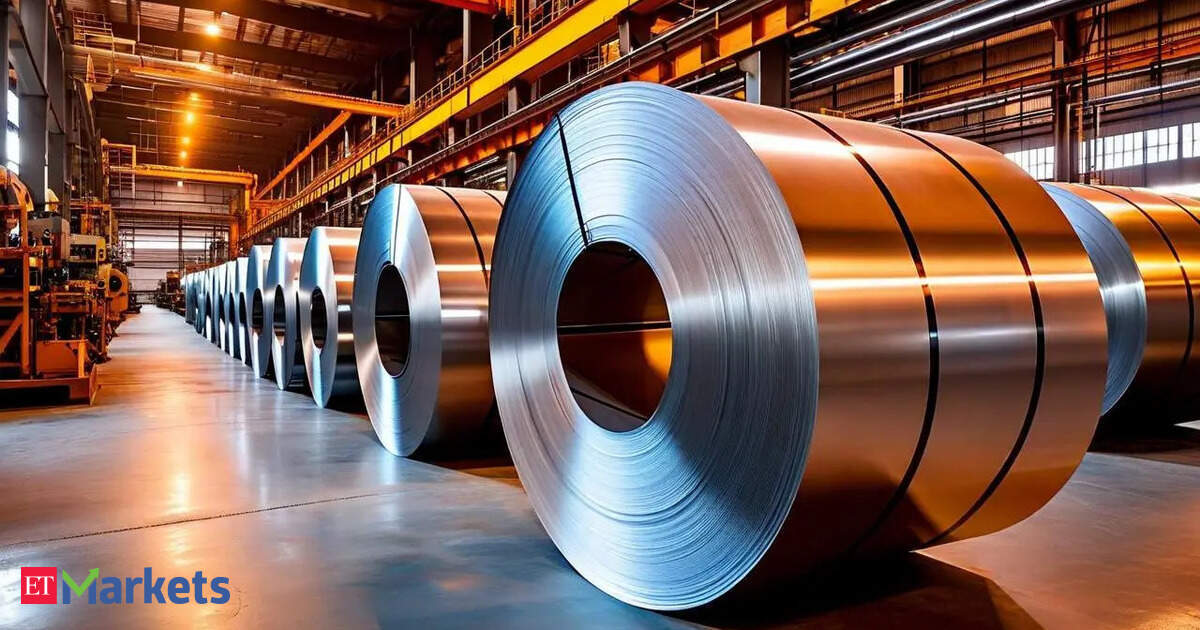
International brokerages have signaled a renewed bullish outlook for the domestic steel sector, identifying specific upside potential among major industry participants. The shift in sentiment centers on the operational scale and market positioning of companies like JSW Steel and Tata Steel. This pivot reflects a broader assessment of the sector's ability to navigate current industrial demand cycles and cost structures.
Sectoral Positioning and Growth Drivers
The positive outlook from firms like Jefferies and Goldman Sachs highlights a focus on companies with diversified product portfolios and established supply chains. For JSW Steel and Tata Steel, the narrative rests on their capacity to maintain margins despite fluctuations in raw material prices. Analysts are pointing to the resilience of these firms as they manage capital expenditure requirements while positioning for potential increases in domestic infrastructure spending.
This sector-wide optimism suggests that institutional investors are looking past short-term volatility in global commodity pricing. The focus remains on the structural advantages held by large-scale producers that can leverage economies of scale to offset inflationary pressures. By prioritizing firms with strong balance sheets, these brokerages are signaling a preference for stability within the cyclical steel industry.
Valuation and Comparative Analysis
When evaluating the broader financial landscape, investors often look to the performance of major financial institutions to gauge the health of capital-intensive sectors. For instance, GS stock page currently holds an Alpha Score of 59/100, reflecting a moderate stance within the financials sector. While steel and banking operate in different domains, the liquidity and credit conditions monitored by firms like Goldman Sachs often serve as a bellwether for the industrial projects that drive steel demand.
Market participants are now assessing whether the bullish outlook from these brokerages will translate into sustained buying pressure for steel equities. The primary factors influencing this path include:
- The trajectory of domestic infrastructure project completions.
- Shifts in global steel export pricing and trade policy.
- The ability of major producers to manage debt levels amid high interest rate environments.
These variables will determine if the current optimism is grounded in long-term fundamental strength or a temporary cyclical recovery. The sector is also sensitive to market analysis regarding raw material costs, specifically iron ore and coking coal, which remain the primary determinants of margin health for these producers.
Next Steps for Sector Monitoring
The next concrete marker for the steel sector will be the upcoming quarterly production reports and guidance updates from the major players. These filings will provide the necessary data to verify if the bullish projections align with actual operational output and cost management. Investors should look for specific commentary on capacity utilization rates and any updates regarding debt reduction targets. These disclosures will serve as the primary validation for the current brokerage sentiment and will dictate the next phase of price discovery for the sector.