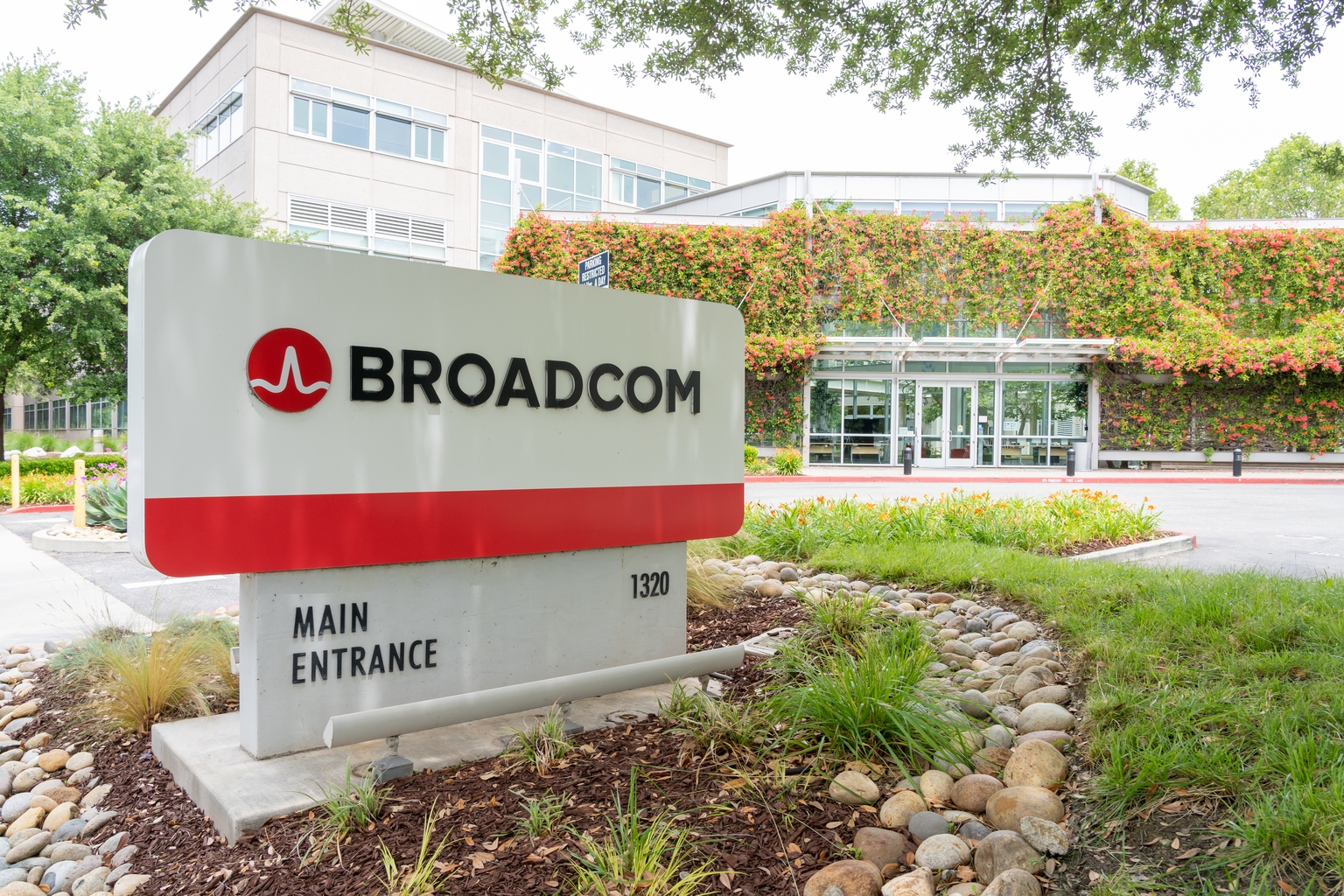
Broadcom has reached a significant valuation milestone as its market capitalization approaches the $1.8 trillion threshold. This shift follows a period of aggressive inorganic growth and the successful integration of large-scale acquisitions, which have fundamentally altered the company's cash flow profile. The current narrative centers on the firm's ability to transition from a diversified semiconductor manufacturer into a critical infrastructure provider for the next wave of artificial intelligence hardware.
Strategic Integration and AI Infrastructure
The company's recent performance is tied to its role as a primary supplier for high-end networking and connectivity components. By positioning itself as a foundational provider for data center architectures, Broadcom has captured a distinct segment of the capital expenditure cycle currently dominated by hyperscale cloud providers. This shift is not merely additive; it represents a structural change in how the company generates recurring revenue through long-term supply agreements and specialized application-specific integrated circuits.
Investors are now evaluating whether this valuation expansion is sustainable given the capital-intensive nature of the semiconductor industry. The integration of recent acquisitions has provided a broader base for operational leverage, but it also introduces complexities regarding debt management and synergy realization. The market is currently pricing in a high degree of confidence that these synergies will continue to offset the costs associated with rapid expansion.
Valuation and AlphaScala Data
Broadcom currently holds an Alpha Score of 70/100, reflecting a Moderate rating within the technology sector as detailed on the AVGO stock page. This score accounts for the company's transition toward software-integrated hardware solutions, which often command higher margins than traditional component manufacturing. While the valuation has climbed, the underlying cash flow generation remains the primary metric for assessing long-term stability.
Broadcom's trajectory serves as a bellwether for the broader semiconductor sector, particularly as Broadcom AI Revenue Surge Signals Structural Shift in Semiconductor Demand continues to influence investor sentiment. The company's ability to maintain its margin profile while scaling production for AI-specific workloads will be the primary determinant of its next valuation leg.
The Path Toward Sustained Growth
The next concrete marker for the company will be its upcoming quarterly filing, which will provide the first clear look at the margin impact of its most recent infrastructure deployments. Market participants will monitor the sustainability of its free cash flow conversion rates as the company balances its dividend obligations with the need for continued R&D investment. Any deviation from the current trend in capital allocation will likely trigger a re-rating of the stock as the market adjusts to the reality of a post-acquisition growth phase. The focus remains on whether the company can maintain its competitive moat in the face of increasing pressure from alternative hardware providers and evolving data center standards.