Brent crude prices moved above the $109 per barrel threshold during early trading on April 28. The upward momentum follows a breakdown in diplomatic channels intended to de-escalate military tensions between the United States and Iran. As the conflict persists, the focus shifts toward the security of critical maritime chokepoints and the potential for supply disruptions in the Middle East.
Strait of Hormuz Transit Vulnerability
The Strait of Hormuz remains the primary geopolitical focal point for global energy markets. A significant portion of the world's daily seaborne oil exports passes through this narrow waterway. Any escalation in military activity near this transit corridor introduces immediate risk to the flow of crude from major producers in the Persian Gulf. The failure of recent diplomatic initiatives suggests that the risk of localized blockades or vessel interference remains elevated, forcing a risk premium back into the price of Brent.
Production and Drilling Rig Activity
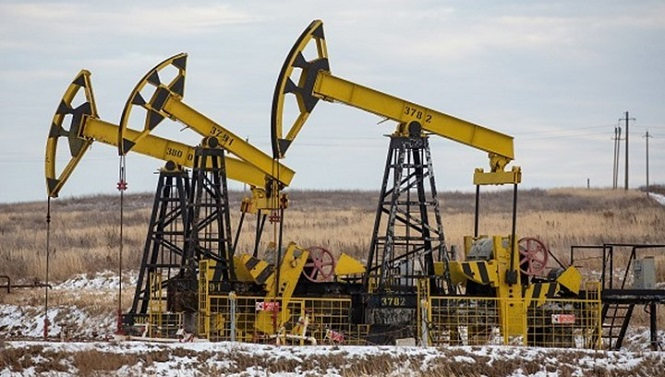
Market participants are monitoring the impact of these geopolitical developments on upstream activity and regional production stability. While drilling rig counts provide a measure of future supply capacity, the immediate concern is the physical movement of existing inventory. The current environment complicates the logistics of regional oil exports, as insurers and shippers assess the safety of routes passing through the Gulf. If the diplomatic impasse continues, the market may see a shift in how producers manage their export schedules to avoid high-risk zones.
AlphaScala data currently tracks various sectors sensitive to these energy fluctuations. For instance, Amer Sports, Inc. (AS stock page) holds an Alpha Score of 47/100, categorized as Mixed within the Consumer Cyclical sector. Similarly, Hyatt Hotels Corp (H stock page) is currently Unscored. These valuations reflect broader market sentiment that often reacts to the inflationary pressures caused by sustained spikes in energy costs.
Market Context and Next Steps
The surge in crude prices serves as a reminder of the fragility of global energy supply chains. As seen in recent crude oil profile updates, geopolitical stagnation often leads to increased volatility in futures markets. Investors should look for the next update regarding international mediation efforts or any official statements from regional authorities concerning the safety of maritime traffic. The next concrete marker will be the release of updated export volume data from major regional terminals, which will indicate whether the current geopolitical tensions are beginning to manifest as physical supply shortages in the global market.