Back to Markets
Commodities● Neutral

Brent Crude Climbs Past $107 as Iran Diplomacy Stalls

April 26, 2026 at 10:28 PMBy AlphaScalaEditorial standardsSource: cnbc.com
Brent Crude Climbs Past $107 as Iran Diplomacy Stalls
ASUNOWPATH

Brent crude prices surged above $107 per barrel following the collapse of U.S.-Iran diplomatic talks, heightening concerns over transit security in the Strait of Hormuz.

AlphaScala Research Snapshot
Live stock context for companies directly referenced in this story
Consumer Cyclical
Alpha Score
47
Weak

Alpha Score of 47 reflects weak overall profile with moderate momentum, poor value, moderate quality. Based on 3 of 4 signals — score is capped at 90 until remaining data ingests.

Alpha Score
43
Weak

Alpha Score of 43 reflects weak overall profile with weak momentum, weak value, poor quality, moderate sentiment.

Technology
Alpha Score
52
Weak

Alpha Score of 52 reflects moderate overall profile with poor momentum, strong value, strong quality, weak sentiment.

Technology
Alpha Score
54
Weak

Alpha Score of 54 reflects moderate overall profile with poor momentum, strong value, strong quality, weak sentiment.

This panel uses AlphaScala-native stock data, separate from the source wire linked above.

Brent crude prices surged approximately 2% during Sunday trading, pushing the benchmark above $107 per barrel. This move follows the cancellation of scheduled diplomatic negotiations between the United States and Iran. The cessation of these talks removes a near-term path toward easing regional tensions, forcing a rapid repricing of the geopolitical risk premium embedded in global energy markets.

Strait of Hormuz Transit Risks

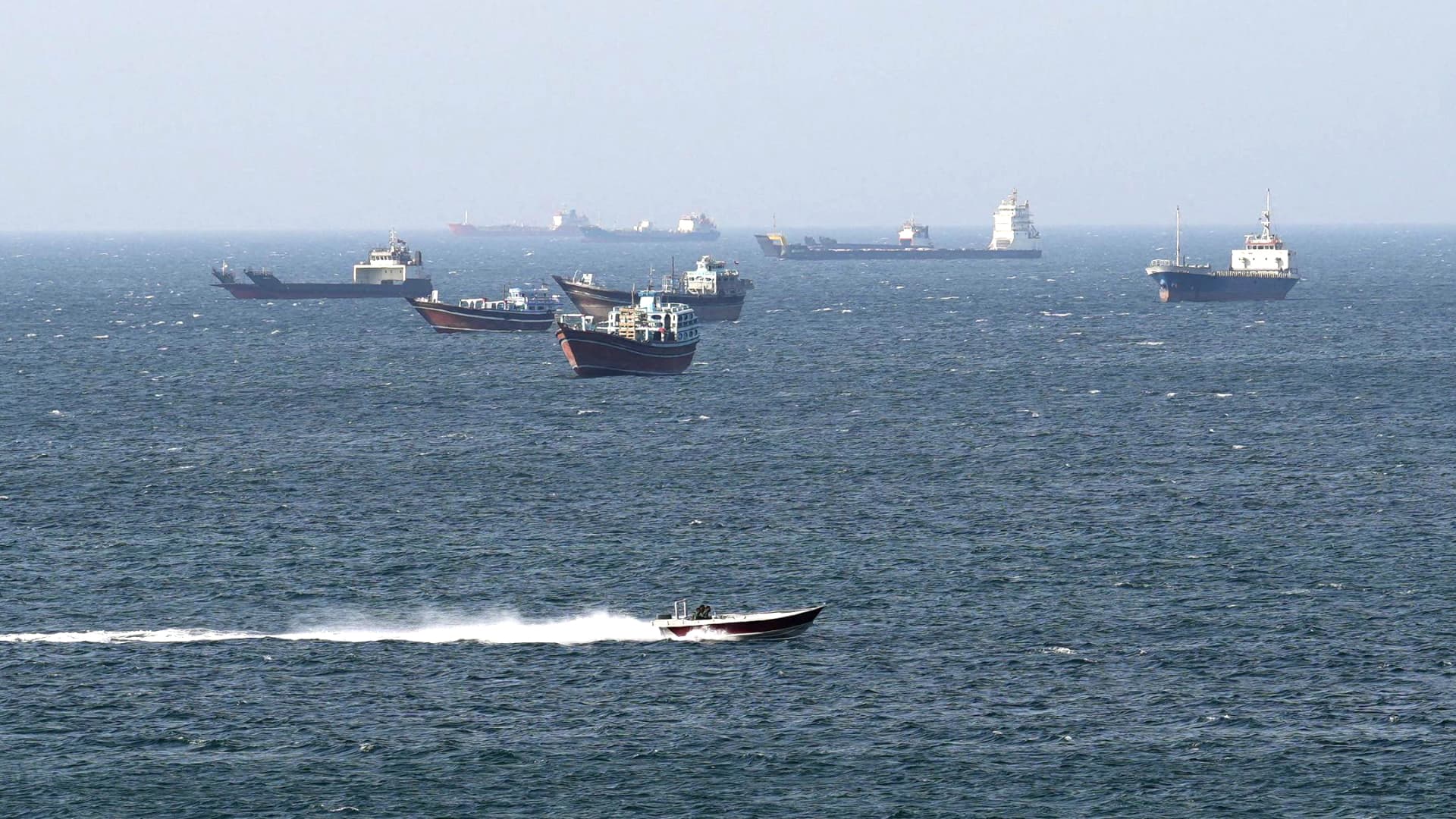
The Strait of Hormuz remains the primary focal point for supply chain anxiety. As a critical maritime chokepoint, any escalation in regional friction directly threatens the flow of crude oil from the Persian Gulf to international markets. The cancellation of the planned mission to Islamabad signals a hardening of positions, which increases the likelihood of continued maritime volatility near the coast of Musandam.

Market participants are now evaluating the potential for physical supply disruptions. When diplomatic channels close, the probability of tactical posturing in the Strait rises, which historically forces insurance premiums for tankers higher and complicates transit schedules for major exporters. For deeper context on how these regional shifts impact fiscal outlooks, see our Strait of Hormuz Disruptions Force Fiscal Reassessment.

Inventory and Supply Constraints

Global oil markets were already operating under tight inventory conditions prior to this weekend's news. The sudden shift in diplomatic momentum exacerbates concerns regarding the replenishment of strategic reserves and the ability of producers to maintain consistent export volumes. If the current impasse persists, the market will likely shift its focus toward the sustainability of existing supply routes and the potential for further tightening in global inventories.

Recent trends in the energy sector suggest that supply-side constraints are becoming the dominant driver of price action. As explored in our broader commodities analysis, the sensitivity of Brent to geopolitical developments in the Middle East remains elevated. The current price level reflects a market that is pricing in a prolonged period of uncertainty rather than a swift resolution to the diplomatic standoff.

AlphaScala Market Context

While energy markets react to geopolitical shocks, technology stocks continue to navigate their own volatility cycles. Investors monitoring broader market health may note that ON stock page currently holds an Alpha Score of 45/100, while U stock page sits at 43/100, both reflecting a mixed outlook in the technology sector. These scores provide a baseline for how individual equities are performing against the backdrop of wider macroeconomic and commodity-driven pressures.

The next concrete marker for the market will be the release of updated tanker traffic data and any subsequent statements from regional stakeholders regarding the status of maritime security. Traders should monitor for changes in shipping insurance rates and any formal updates regarding the resumption of diplomatic efforts, as these will serve as the primary indicators for whether the current risk premium remains sustained at these elevated levels.

How this story was producedLast reviewed Apr 26, 2026

AI-drafted from named sources and checked against AlphaScala publishing rules before release. Direct quotes must match source text, low-information tables are removed, and thinner or higher-risk stories can be held for manual review.

Editorial Policy·Report a correction·Risk Disclaimer