Stocks● Neutral
Brennan reveals what killed Australia's human rights act
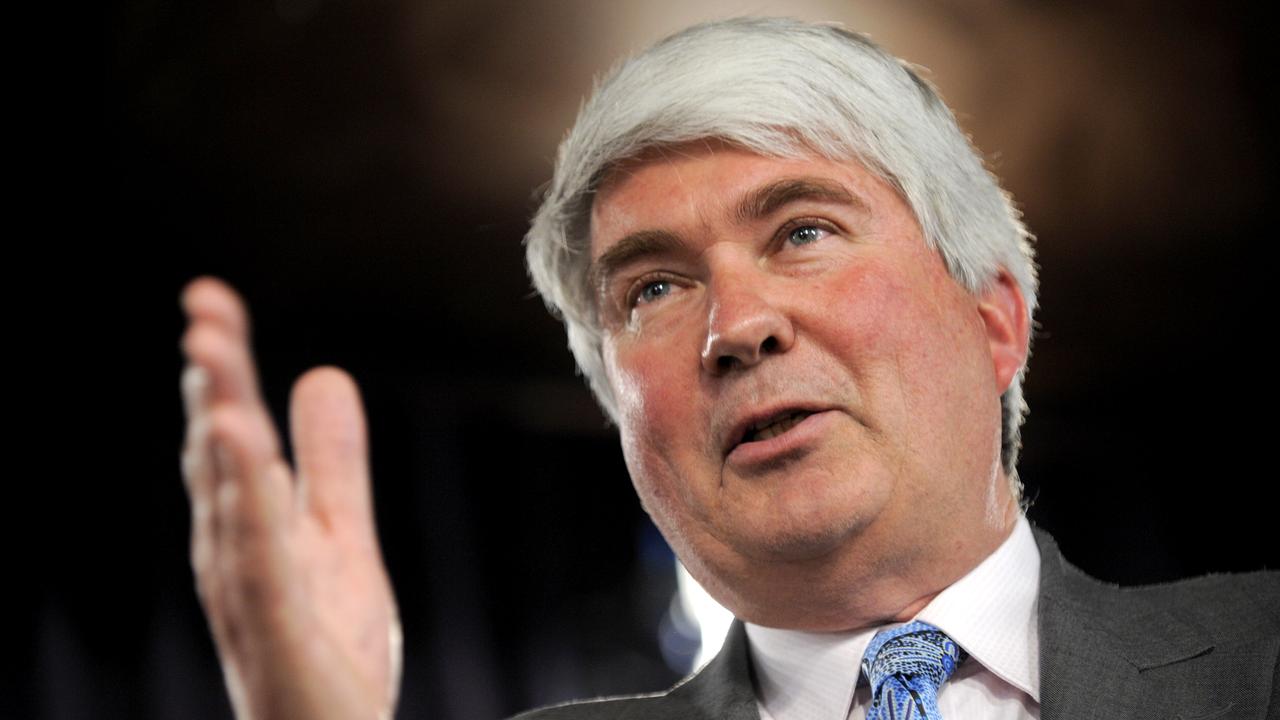
Frank Brennan reveals the political forces that killed Australia's human rights charter, ending a decade of regulatory uncertainty.
Continue with
Frank Brennan now says the push for a federal human rights act died because of political dynamics he witnessed firsthand. The priest chaired the 2009 national consultation commissioned by Prime Minister Kevin Rudd. In a recent account, he details what went wrong.
Rudd assigned Brennan to lead Australia's biggest human rights consultation in July 2009. The task was to produce a blueprint for codifying rights into law. The consultation ran for months, gathering submissions from across the country. A committee later reviewed the findings. That committee recommended against a full human rights act. The government never enacted the recommendations. No subsequent government has reintroduced the idea.
Brennan's account names no specific opponents or events. The outcome is clear: the push stalled and never revived. Australia remains without a national human rights charter, unlike peers such as Canada and the United Kingdom.