Crypto▼ Bearish
Brazil House Passes Bill to Freeze Crypto, Raises Prison Cap to 10 Years
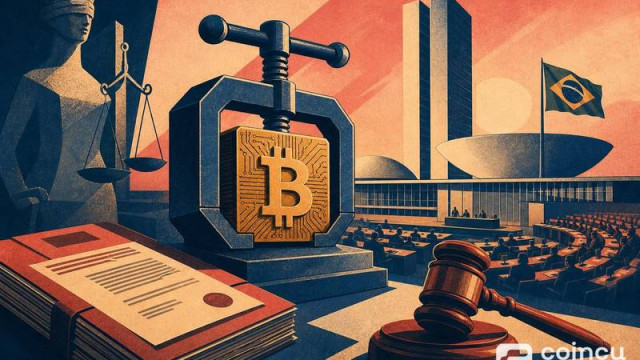
Brazil's House approved a bill allowing authorities to freeze suspects' crypto balances and raising the max prison term to 10 years. The measure, part of an anti-organized crime package, now awaits presidential sanction.
Continue with
Brazil’s House of Representatives approved a bill that lets authorities freeze cryptocurrency balances held by suspects and raises the maximum prison term for covered offenses to 10 years. The legislation passed as part of a broader anti-organized crime package, the “anti-faction” bill, according to the Chamber of Deputies. The measure now moves to the president for sanction.
The crypto-specific provision granting freeze powers is the core enforcement shift. It allows judicial orders to lock wallets or exchange-held balances linked to suspects, preventing transfers or liquidation during an investigation. This targets the financial infrastructure suspects use in real time, rather than relying solely on post-conviction penalties.
For exchanges and custody providers operating in Brazil, the bill signals that compliance with judicial freeze orders on crypto balances could become a legal obligation. Platforms may need to build or adapt systems to handle asset seizure requests, similar to how traditional financial institutions respond to such orders.
The 10-year maximum prison term sets the upper sentencing bound for the most serious cases under the bill’s scope. It does not apply to all crypto-related offenses. The penalty increase and the freeze provision together form a two-pronged approach: incarceration for individuals, asset seizure for their holdings.