Crypto▼ Bearish
Brazil Central Bank Orders Delay on Large Crypto Transfers
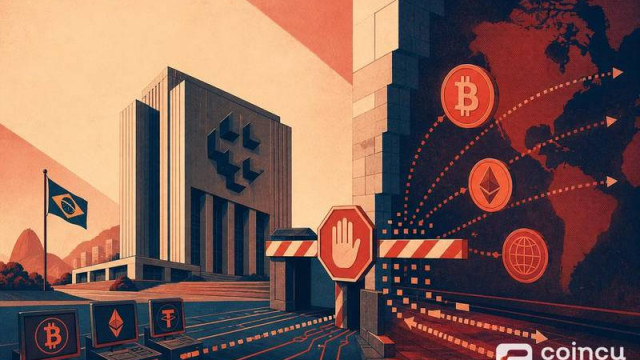
Brazil's Resolution BCB No. 584 forces exchanges to hold large outbound crypto transfers; the size threshold that triggers the delay is still unspecified.
Continue with
Brazil's central bank ordered crypto exchanges and payment service providers to hold large outbound transfers for review, a directive that slows cross-border flows without banning them. Banco Central do Brasil set out the requirement in Resolution BCB No. 584, and public reporting described the measure as friction and review rather than an outright prohibition.
The rule covers exchanges and brokers that handle qualifying outbound transfers, and it reaches the users behind those moves.
Users moving larger amounts of crypto out of Brazil will wait for transfers to clear instead of settling instantly. In the near term, that waiting period changes how quickly funds can leave local platforms. It also changes what a user can do with the money in the meantime; a transfer meant to settle a purchase or fund an account on another platform now clears only after the platform's review. Slower settlement touches exchange operations too, since platforms must queue and review qualifying transactions rather than process them on demand, and outgoing transfers that sit pending can tie up liquidity.
The order sits alongside Brazil's broader tightening of crypto oversight. Lawmakers have advanced a crypto asset-freezing bill that would let authorities seize assets tied to crime and raises the maximum prison term to 10 years.