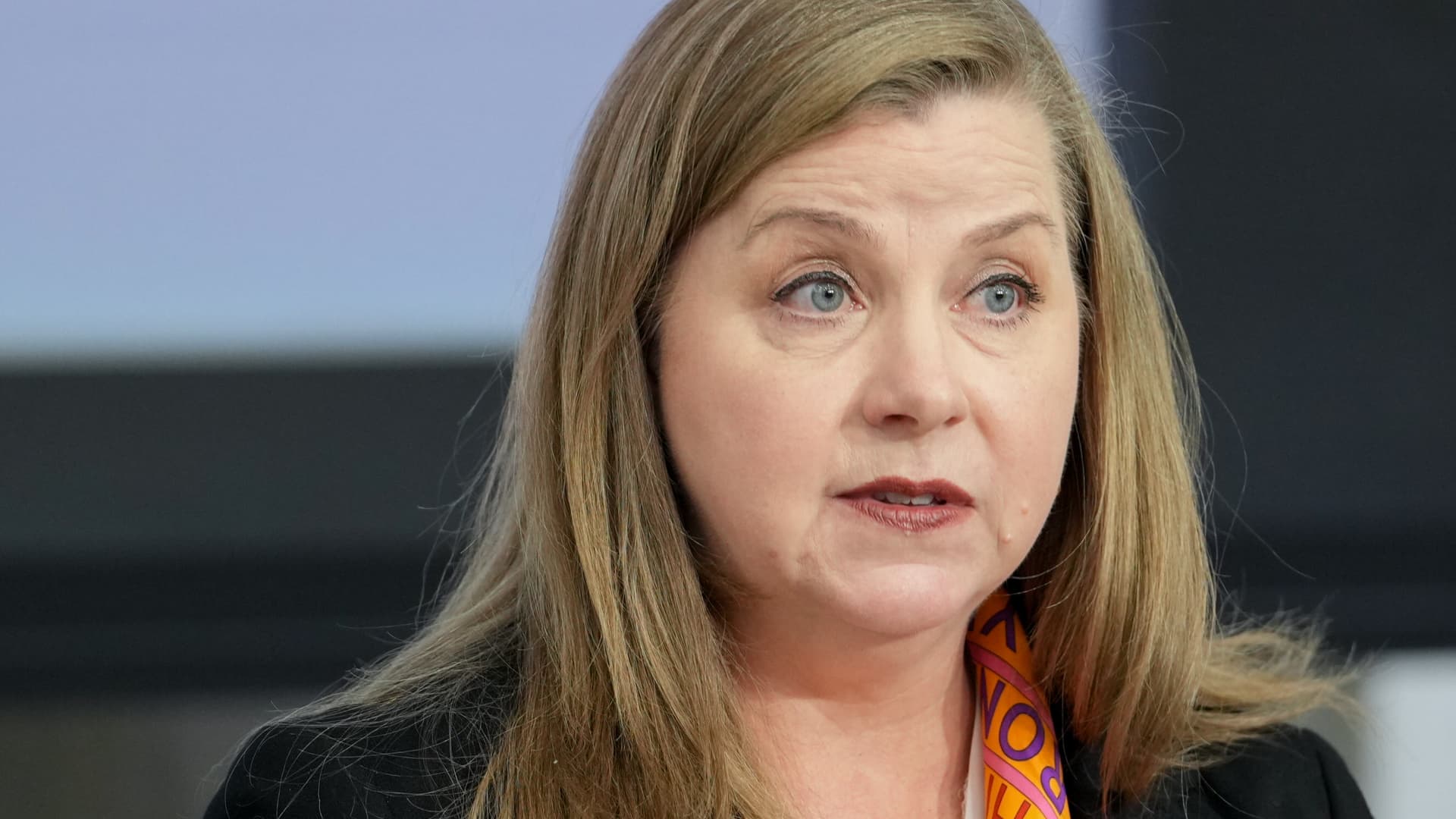
Federal Reserve Governor Michelle Bowman on Friday pushed back against the idea of raising interest rates to combat the current inflation spike. Her remarks, delivered at a conference in Reykjavík, Iceland, directly challenge market expectations that the Fed will stay on hold through 2026 and possibly begin hiking in early 2027. Current pricing shows virtually no chance of cuts anytime through at least 2027.
Bowman argued that adjusting policy to offset energy-driven inflation surges has proven ineffective. "Reacting to temporarily elevated energy price inflation would add unwarranted policy restraint, weighing unnecessarily on economic activity and labor market conditions," she said. Research shows that when reacting to temporary energy shocks, "policy should not be overly aggressive."
Policy Signal: Bowman Rejects Rate Hikes for Energy-Driven Inflation
The comments come one day after the Commerce Department reported that the personal consumption expenditures price index – the Fed's benchmark inflation gauge – rose 3.8% in April and 3.3% when excluding food and energy prices. Those headline numbers are well above the central bank's 2% target. Measures that strip out extremes within the gauges tell a different story. The Dallas Fed's "trimmed mean" inflation index puts the 12-month rate at 2.3%, much closer to target.
Bowman's message is that the Fed should not overreact to the headline PCE print. The trimmed mean suggests underlying inflation is not as hot as the top-line number implies. That distinction matters for the rate path. If the Fed treats the energy-driven spike as temporary, it removes the case for a hike and keeps the door open for eventual cuts – even if markets are pricing none.
Transmission Path: Rates, Yields, and the Dollar
Bowman's stance directly influences the transmission mechanism through rates, bond yields, and the dollar. A Fed that is unwilling to hike on energy inflation keeps short-term rate expectations anchored. That caps the upside in Treasury yields and reduces the risk of a sharp repricing higher. Lower yields, in turn, weaken the dollar because the rate differential with other major economies narrows.
A weaker dollar is a tailwind for gold and other dollar-denominated commodities. Gold has been range-bound as markets debated whether the Fed would need to tighten further. Bowman's remarks reduce that risk, supporting the case for gold to hold its recent gains. The same logic applies to crude oil, though oil prices are more directly driven by supply risks from the Iran conflict.
Risk Appetite and the Iran Conflict Variable
Bowman noted that the policy reaction depends on the duration of the conflict with Iran. Should the fighting be prolonged and inflation pressures steepen, "the more likely I will consider shifting my approach to thinking about the balance of risks." That caveat is the key variable. If the Iran situation escalates and energy prices stay elevated for months, the temporary argument weakens and the Fed could be forced to act.
For now, Bowman supported maintaining phrasing in the most recent FOMC post-meeting statement that indicated the next rate move could be a cut. Three members voted against the statement based on the inclusion of that so-called forward guidance language. That split shows internal disagreement. Bowman's vote to keep the language signals the dovish-leaning majority view.
For equity markets, the immediate read is positive for growth stocks and rate-sensitive sectors. A Fed that is not hiking reduces the discount rate pressure on long-duration assets. The Strait of Hormuz risk premium in oil, however, remains a counterweight. If the Iran conflict widens, the transmission shifts from rate expectations to supply disruption, which hurts risk appetite broadly.
The next decision point is the duration of the Iran conflict and the next FOMC meeting. If the trimmed mean stays near 2.3% and energy prices stabilize, Bowman's framework keeps the Fed on hold. If the conflict drags on and headline inflation accelerates, the three dissenting votes could grow.