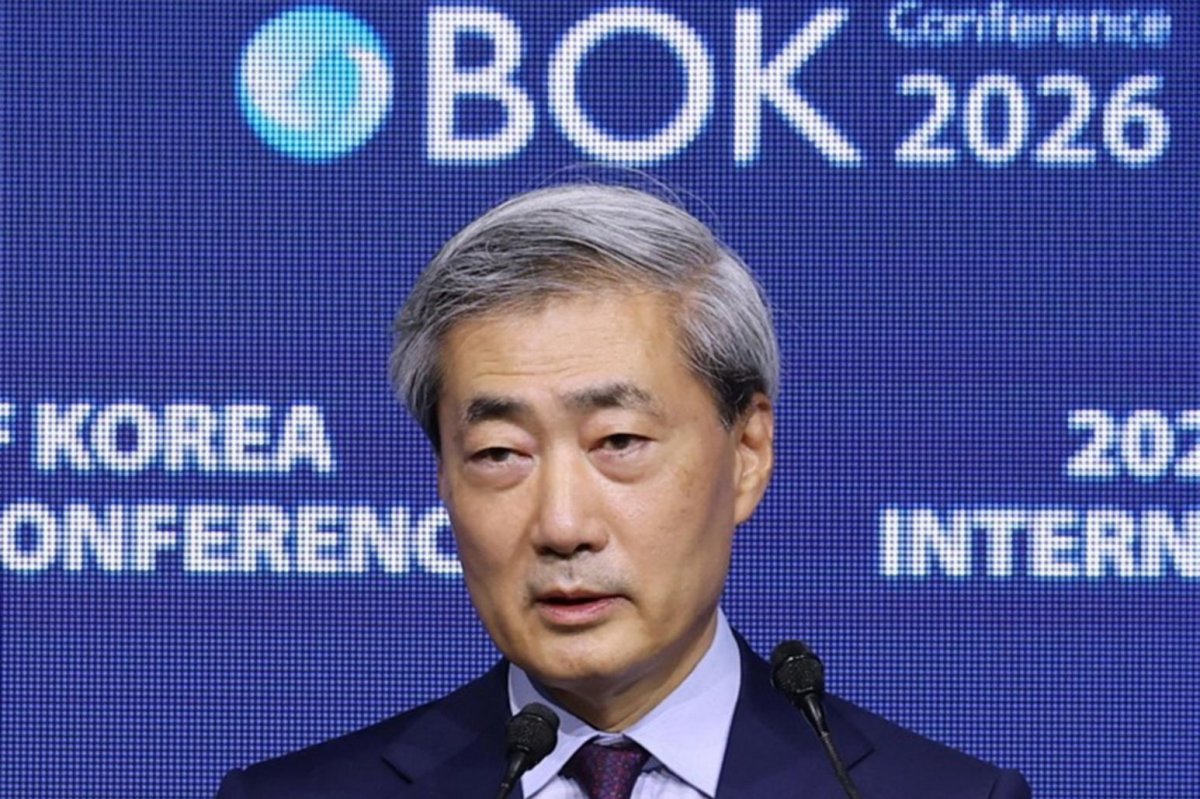
BOK researchers warn dual polarization in wealth and income is worsening, with young non-homeowners falling into lower brackets. The net wealth Gini hit 0.625 in 2025, up from 0.584 in 2017.
South Korea's wealth and income gaps are widening in parallel, with young people and non-homeowners falling into lower economic brackets, Bank of Korea researchers said Wednesday.
The central bank's research department published a report titled "Household Polarization in the Korean Economy and Its Spillover Effects." It described a dual polarization: asset inequality and income inequality are expanding at the same time.
South Korea's net wealth Gini coefficient hit 0.625 last year, up from 0.584 in 2017. A Gini closer to zero means more equality; closer to one means more inequality.
The researchers pointed to rising real estate prices as the main factor behind the widening asset gap. Property is concentrated among older generations, they said, making wealth inequality between age groups more structural.
Young people face deteriorating conditions for building assets. An increasing number earn relatively high incomes but cannot reach the upper wealth bracket because they do not own real estate, the report said. The mobility that once let middle- to upper-income earners move into the top wealth group has weakened.
Income inequality is also widening again. The disposable income Gini coefficient fell from 0.353 in 2016 to 0.323 in 2023 but ticked up to 0.325 in 2024. The report said income inequality, which had improved through redistribution policies, could widen further because of K-shaped growth across industries.
The gap between the information technology sector and non-IT industries is a driver. IT wages have risen sharply, led partly by bonuses, while wage growth has been limited elsewhere.
The spread of artificial intelligence could deepen income gaps, the report said. AI combined with robotics could replace jobs held by low-income workers and young people early in their careers. A BOK survey found that people in lower income brackets were more likely to believe their jobs could be replaced by AI.
The impact of dual polarization is most visible among young people. The share of people in their 20s and 30s among households in the bottom quintile for both net wealth and income rose from 7.9% in 2020 to 15.2% in 2025. The report said this suggests young people without homes are being pushed into lower economic groups.
The BOK researchers warned that dual polarization could weaken productivity and consumer vitality. An analysis of 120 countries found that when the share of wealth held by the top 10% rises by 1 percentage point, total factor productivity falls by 0.16% two years later.
In South Korea, the share of net wealth held by the top 10% increased from 43.0% in 2022 to 46.1% in 2025, up 3.1 percentage points. The researchers said widening wealth inequality could become a constraint on economic growth and productivity improvement.
Social costs could also rise. The report said widening gaps may lower expectations for upward mobility, weaken work incentives and reduce social trust. High housing costs for young people could become a barrier to marriage and childbirth.
The researchers said redistribution policies focused mainly on income support are not enough. South Korea needs to guide household assets, now heavily concentrated in real estate, toward more productive sectors and expand opportunities to build productive assets, they said.
The report also called for a more stable tax base in response to economic changes driven by technological development. Institutions should be reviewed to ensure the path from labor income to asset formation does not deteriorate further. The researchers said South Korea must strengthen new growth industries so the benefits of economic growth spread more widely.
Prepared with AlphaScala research tooling and grounded in primary market data: live prices, fundamentals, SEC filings, hedge-fund holdings, and insider activity. Each story is checked against AlphaScala publishing rules before release. Educational coverage, not personalized advice.